

Empowering Children To Embrace The Cycle Of Life
By Tom Seest
At BackyardChickenNews, we help people who want to raise backyard chickens by collating information and news blended with our own personal experiences.
Be sure to read our other related stories at BackyardChickenNews to learn more about raising chickens in your backyard.
From Feed to Feast – Helping Kids Understand the Circle Of Life
Picture this: a sunny morning in your backyard, where kids tumble out of the house, laughter bouncing off the fences, excitement swirling in the air. Among the usual summer antics lies a small yet profound connection to the natural world—backyard chickens. Yes, those feathery little creatures are more than just a source of breakfast; they provide a powerful lesson about the circle of life.
Imagine a child holding an egg, fragile and warm in their hands. They can feel its gentle weight, the promise of life encased within, and suddenly, there’s a spark of curiosity. Questions flood their minds: Where does this come from? What happens next? As you delve into the answers, you’re not just sharing facts about poultry; you’re weaving a rich narrative that reinforces the interconnectedness of life. Chickens eat grains and scraps, live, lay eggs, and feed families. It’s a simple yet vital cycle that speaks to the heart and nourishes the spirit.
Ethically, this brings us to the food choices we make. When kids understand where their meals originate, from the egg that becomes an omelette to the veggies grown in the garden, they foster a sense of gratitude and responsibility towards the environment. They begin to see the importance of ethical sourcing and sustainability, understanding that every bite taken is part of a larger whole. It’s a lesson that resonates beyond the backyard—into their lives, schools, and communities—creating advocates for a more humane and sustainable food system.
This isn’t just about raising chickens; it’s about creating a culture of appreciation. Engaging in chicken care teaches compassion and responsibility. The delicate balance of nurturing life connects children emotionally, helping them to appreciate not only their food but the labor and love that brings it to the table.
Parents and educators, take note: inviting children into the circle of life isn’t merely a science lesson—it’s a holistic experience. It’s a chance to foster a deeper understanding of our world, build empathy, and, let’s be honest, make memories that will last a lifetime. When kids learn to care for their backyard chickens, they’re not just feeding their bellies; they’re feeding their souls, cultivating a sense of wonder that will guide them through every meal, every relationship, and every season of life.
From Feed to Feast – Helping Kids Understand the Circle Of Life
From Feed to Feast – Helping Kids Understand the Circle Of Life
- A sunny backyard morning filled with children’s laughter symbolizes joy and connection to nature.
- Backyard chickens serve as a powerful lesson about the circle of life and the origins of food.
- Children holding eggs foster curiosity and understanding about life and food sources.
- Understanding where meals originate cultivates gratitude and responsibility towards the environment.
- The experience promotes ethical sourcing and sustainability in food choices.
- Engaging in chicken care teaches compassion, responsibility, and an appreciation for food sources.
- Involving children in this process fosters empathy, creates lasting memories, and nurtures their growth.

From Feed to Feast – Helping Kids Understand the Circle Of Life
Table Of Contents
- From Feed to Feast – Helping Kids Understand the Circle Of Life
- What Does It Mean to Truly Appreciate the Food We Eat?
- How Can We Explain the Journey Of Food From Farm to Table?
- Why Is It Important to Respect the Lives That Nourish Us?
- How Does Understanding the Circle Of Life Shape Our Eating Habits?
- What Role Do Farmers Play In Feeding Our Communities?
- How Can We Teach Our Kids the Value Of Sustainable Eating?
- Why Is It Essential to Connect with Nature Through Our Food Choices?
- Conclusion
- Other Resources
- Glossary Of Terms
- Other Questions
- Haiku
- Poem
- Checklist
What Does It Mean to Truly Appreciate the Food We Eat?
To truly appreciate the food we eat is to embrace a journey that begins well before it reaches our plates—long before that fresh loaf of bread sits on your kitchen counter or the vibrant greens from your backyard garden fill your salad bowl. It means understanding the meticulous hands that cradle those ingredients and the countless hours spent nurturing them. Picture a sunny afternoon spent feeding your backyard chickens, hearing their soft clucks and watching them scurry. It’s a sight and experience that can ignite a sense of gratitude and connection to nature that many modern eaters miss.
When we cultivate our own food, we form a relationship with the land—a pact, if you will. You grab that handful of soil, and it’s not just dirt; it’s a universe teeming with life. You realize the journey from farm to fork is layered with stories and sacrifices that deserve recognition. You start to understand the stark contrast between store-bought eggs that might be weeks old and the warm, freshly laid eggs from your own chickens. That simple difference embodies love and care, and suddenly, breakfast becomes a ritual steeped in appreciation.
This appreciation extends beyond our plates; it resonates through our communities. When you gather your neighbors for a potluck featuring locally-sourced ingredients, you’re not just sharing a meal; you’re sharing values and a commitment to sustainable practices. These meals invite conversations about ethics and health—what it means to eat responsibly and treat the land with reverence. It challenges us to question where our food comes from and how our consumption impacts the world around us.
So, ask yourself: how often do you pause to truly savor the flavors, the textures, and the stories behind your meals? The act of gratitude transforms mundane eating into something sacred. You realize that every bite can be an acknowledgment of gratitude—not just to the farmers and producers but also to yourself for making the conscious choice to appreciate your food.
This shift from mindless consumption to mindful appreciation can inspire action, urging us toward a lifestyle that respects the cycle of food production. It cultivates not just a healthier you, but a thriving community that values hard work, ethical choices, and the kinship formed at the dinner table. It’s the pulse of our collective experience—nurtured one bite at a time.
What Does It Mean to Truly Appreciate the Food We Eat?
What Does It Mean to Truly Appreciate the Food We Eat?
- True appreciation of food starts before it reaches our plates, involving the nurturing of ingredients.
- Engaging with backyard food cultivation fosters a connection with nature and gratitude.
- Understanding the life in soil emphasizes the journey and stories behind our food.
- Freshly sourced food, like eggs from backyard chickens, embodies love and care compared to store-bought options.
- Sharing locally-sourced meals promotes community values and sustainable practices.
- Mindful eating encourages us to appreciate the origins and impact of our food choices.
- This shift from mindless consumption to gratitude can inspire healthier lifestyles and strengthen community bonds.
What Does It Mean to Truly Appreciate the Food We Eat?
How Can We Explain the Journey Of Food From Farm to Table?
When we sit down to enjoy a hearty meal, it’s easy to forget the countless journeys that brought that food from the rolling fields of a farm to our kitchen table. But there’s a story behind every bite—one that invites us to look deeply, appreciate fully, and ultimately connect with the very essence of our sustenance.
Imagine, if you will, the farmer rising with the sun, boots crunching on the earth, layers of history rooted in every seed they plant. For them, it’s not just a job; it’s a legacy, a commitment to the land and to each forkful of nourishment harvested. Whether it’s vibrant veggies from a local farmer’s market or fresh eggs from people brimming with pride over their Backyard Chickens, each morsel carries with it the pulse of a community, the sweat of dedicated labor, and sometimes, even the laughter of generations.
That’s the head and heart of it—an intertwined relationship between soil, sweat, and sustenance. We trust in these growers, not just because they have experience—though that matters—but because they are stewards of the land, honor their craft, and persevere through seasons of drought and abundance alike. They work tirelessly to ensure that every plant thrives and every animal is cared for, embodying the ethical responsibility that comes with providing for others.
The journey doesn’t end on the farm. Transporting these goods to our local stores is another phase of this odyssey, where trucks filled with fresh produce trundle along highways, connecting rural landscapes to urban kitchens. It’s a sophisticated ballet orchestrated by farmers, distributors, and grocers who all share a singular mission: to bring the fruits of labor directly to your plate.
Now, picture the experience of mediating fresh, vibrant produce against the backdrop of a family gathering. The significance of gathering around a table, enjoys food that is not just delicious but comes from a place of care, transforms the mere act of eating into a ritual of trust and respect.
Every meal is an opportunity—an invitation to share stories, nurture relationships, and express gratitude. So, the next time you take that first bite or savor the rich flavors of farm-fresh fare, remember the intricate tapestry woven from seed to plate, connecting you to the land and the labor of those whose work nourishes us all. Let’s make that journey matter.

How Can We Explain the Journey Of Food From Farm to Table?
How Can We Explain the Journey Of Food From Farm to Table?
- Every meal carries a story, connecting us with the origins of our food.
- Farmers rise early, planting seeds that embody their legacy and commitment to nourishment.
- Each food item reflects community efforts, hard labor, and generational traditions.
- Farmers are stewards of the land, dedicated to their craft and the ethical responsibility of providing food.
- Transporting goods from farms to stores is a crucial part of the food journey, involving farmers, distributors, and grocers.
- Gathering around the table with fresh produce fosters trust and respect within families.
- Each meal is an opportunity to share stories, nurture relationships, and express gratitude for our sustenance.
How Can We Explain the Journey Of Food From Farm to Table?
Why Is It Important to Respect the Lives That Nourish Us?
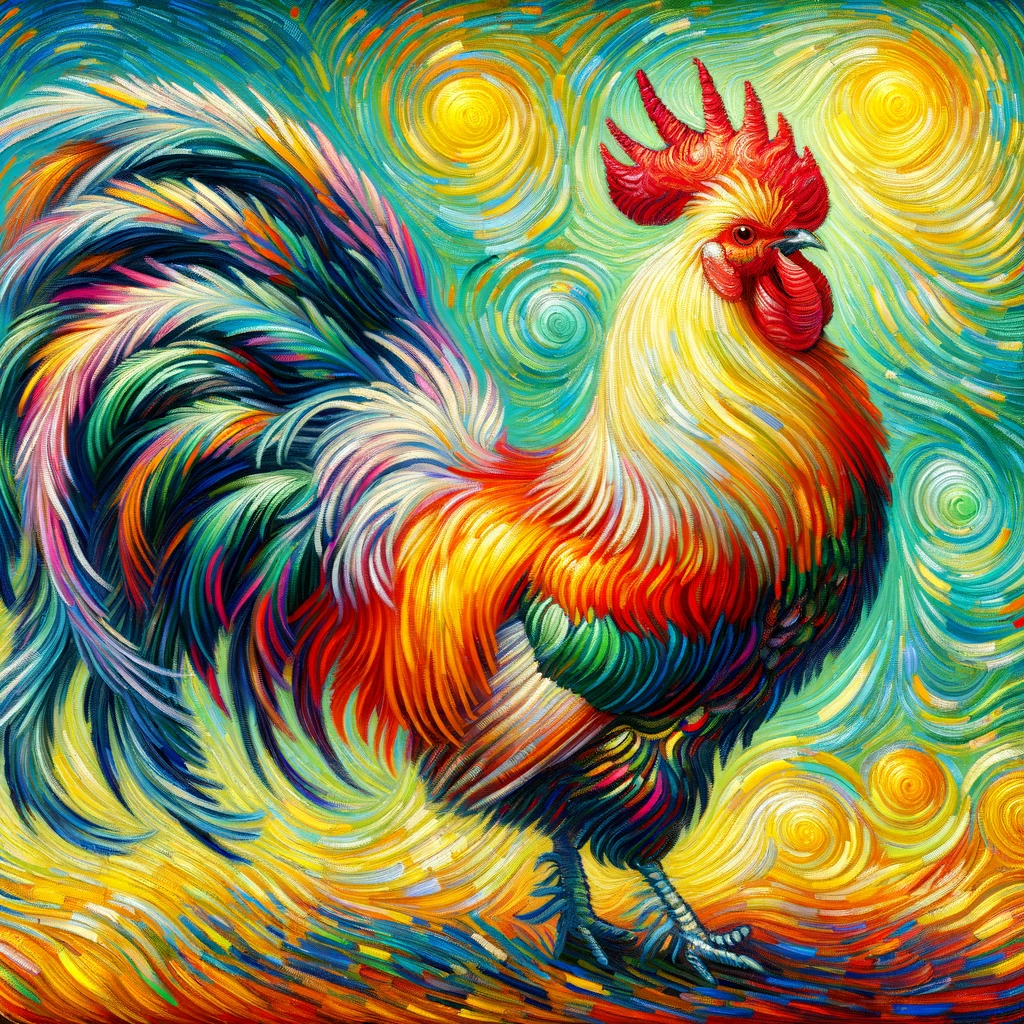
When we think about the food on our plates, how often do we reflect on the lives that bring it there? Imagine for a moment the joy and safety in your backyard, where a few clucking chickens meander about. These chickens, like countless creatures that contribute to our sustenance, aren’t just commodities; they are living beings with stories, instincts, and needs. By fostering backyard chickens, you cultivate a genuine connection to your food source, creating an intimate bond that transcends the simple act of eating.
It’s easy to overlook the journey our food takes. Each egg is not merely a product but a testament to the care that goes into nurturing life. When we respect these lives, we embrace a philosophy that sustains not just our bodies but also our ethics. Consider for a moment the unsung heroes—the farmers, the ranchers, and yes, even the backyard gardeners—who rise before dawn, tending to their flock, their crops, their labor replete with sweat and dedication.
This is about more than just nourishment; it’s about honoring our interconnectedness. Every choice to buy local, to support humane farming practices, sends ripples through our communities. When we respect the lives that nourish us, we create a fabric woven from trust and shared purpose. People are more inclined to buy from those they know, be it the farmer at the market or that neighbor with the backyard hens. The act of buying local fosters relationships, building a community where everyone thrives.
Let’s talk about the ethics of eating. By acknowledging the lives behind our food, we evade apathy and foster a culture of compassion. When we take a moment to appreciate the effort that goes into raising those chickens, we recognize our responsibility to advocate for their humane treatment. Reassuringly, the more conscious choices we make in our consumer habits can shift industry standards and promote better practices, especially for factory-farmed animals that often go unnoticed.
Ultimately, respecting these lives enriches not only our plates but our hearts and our conscience. We become stewards, champions of a system that values life, helping generations reap the benefits of a more compassionate and nourishing world. So the next time you crack an egg, think about that little hen pecking around in your backyard, and realize that every meal can be an act of gratitude, an opportunity to honor the lives that sustain us.

Why Is It Important to Respect the Lives That Nourish Us?
Why Is It Important to Respect the Lives That Nourish Us?
- Food is more than sustenance; it connects us to the lives and stories behind it.
- Backyard chickens exemplify the bond between consumers and their food sources.
- Each egg represents care and nurturing, emphasizing respect for animal lives.
- Farmers and gardeners are unsung heroes, dedicated to their labor and community.
- Supporting local and humane practices strengthens community ties and trust.
- Acknowledging the lives behind our food fosters compassion and ethical eating.
- Every meal can be a gesture of gratitude and an opportunity to advocate for better treatment of animals.
Why Is It Important to Respect the Lives That Nourish Us?
How Does Understanding the Circle Of Life Shape Our Eating Habits?
Understanding the Circle of Life is like looking through a lens that magnifies not just the beauty of nature but also the intricate web connecting us all to the food we eat. Have you ever thought about where your dinner comes from? When you pull a fresh egg from the nest of your backyard chickens, you’re not just getting a meal; you’re engaging with a profound cycle of life. Each egg tells a story, rich with the labor and love that went into raising those birds.
Consider your plate filled with vibrant vegetables or succulent meats; it’s easy to forget the journey before it landed there. The Circle of Life invites us to appreciate that every bite has a past—a complex ecosystem of growth, nurture, and eventually, nourishment. When we become aware of these connections, it’s harder to mindlessly consume. Instead, our eating habits transform into choices laden with consideration and mindfulness.
The rational side springs to life as well. If we understand the ecological impact of our food choices, we are better equipped to make decisions that align with our values. Opting for locally sourced foods or even tending to your own backyard chickens isn’t just a trend; it’s an ethical choice that promotes sustainability and animal welfare. It’s not just about you; it’s about the health of the planet and future generations.
But this journey isn’t just an intellectual exercise; it feels good. Have you ever stood in your garden, hands in the soil, and breathed in the earthy aroma of fresh produce? That connection gets to the very gut of it all. Building this relationship with our food creates habits that resonate on a much deeper level. Your dining table becomes a gathering place, a celebration of life, interwoven with stories of how everything came to be—from the sun shining down on your crops to the clucks of your chickens.
By sharing meals sourced from a deeper understanding of life, we foster community. Imagine discussing the significance of each ingredient with friends and family, elevating mealtime from a mundane routine to a rich tapestry of shared experiences. This connection reinforces the idea that our choices matter and can inspire others to reconsider what ends up on their plates. The Circle of Life becomes not just a lesson, but a guide steering us toward sustainable, fulfilling eating habits.

How Does Understanding the Circle Of Life Shape Our Eating Habits?
How Does Understanding the Circle Of Life Shape Our Eating Habits?
- The Circle of Life emphasizes the interconnectedness of nature and our food sources.
- Every meal, like fresh eggs from backyard chickens, represents a cycle of life filled with stories and effort.
- Awareness of food origins transforms eating habits into mindful choices.
- Understanding the ecological impact of food helps align choices with personal values.
- Tending to local or personal food sources promotes sustainability and animal welfare.
- Hands-on experiences, like gardening, deepen our connection to food and foster meaningful habits.
- Sharing meals based on this understanding strengthens community bonds and encourages thoughtful consumption.

How Does Understanding the Circle Of Life Shape Our Eating Habits?
What Role Do Farmers Play In Feeding Our Communities?
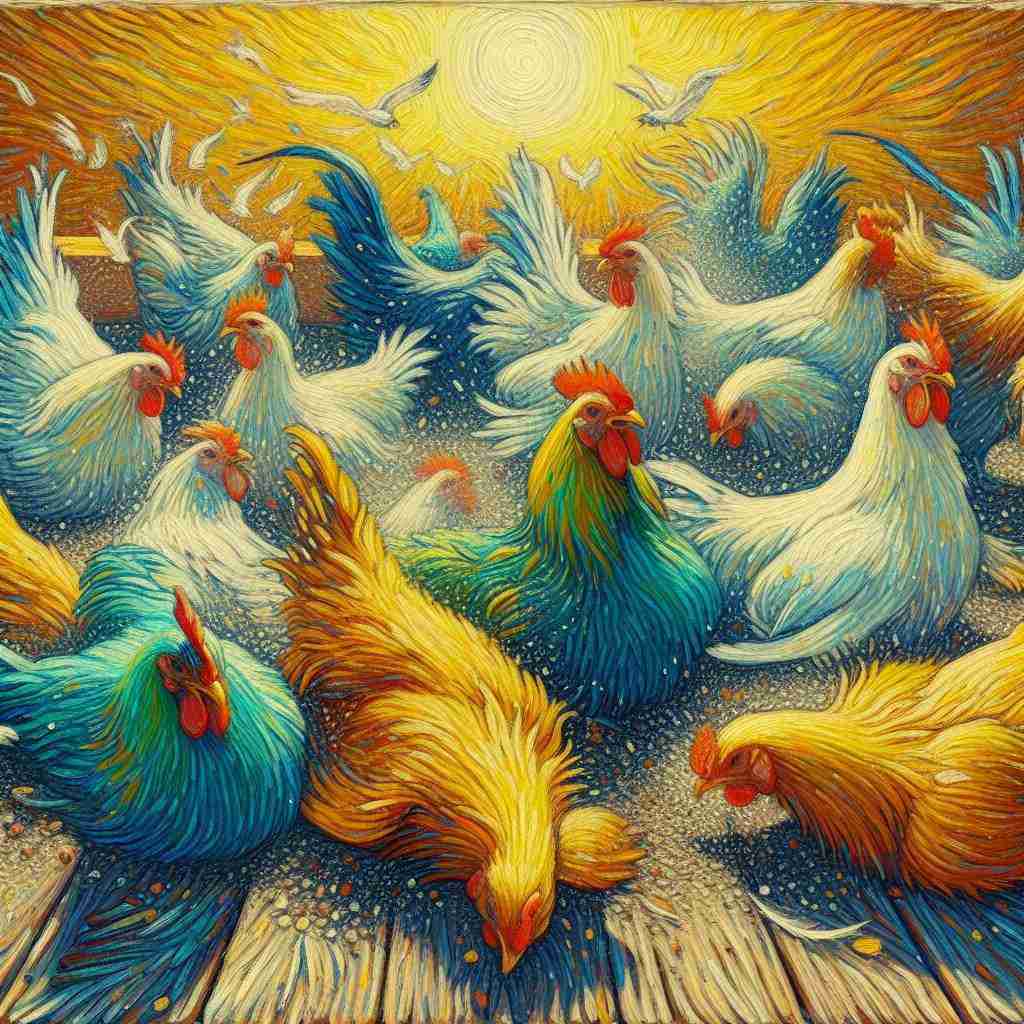
Farmers are the unsung heroes of our communities, standing at the heart of our food systems and shaping our daily lives in ways we often overlook. Imagine a bustling market, where the vibrant colors of fresh produce reflect the hard work and dedication of those who rise before the sun. Each bite of a juicy tomato, every crisp cucumber, carries the essence of the earth, nourished by the hands that tilled the soil. This is not just food; it is a direct line to the farmers who pour their sweat and soul into their land, all to sustain us.
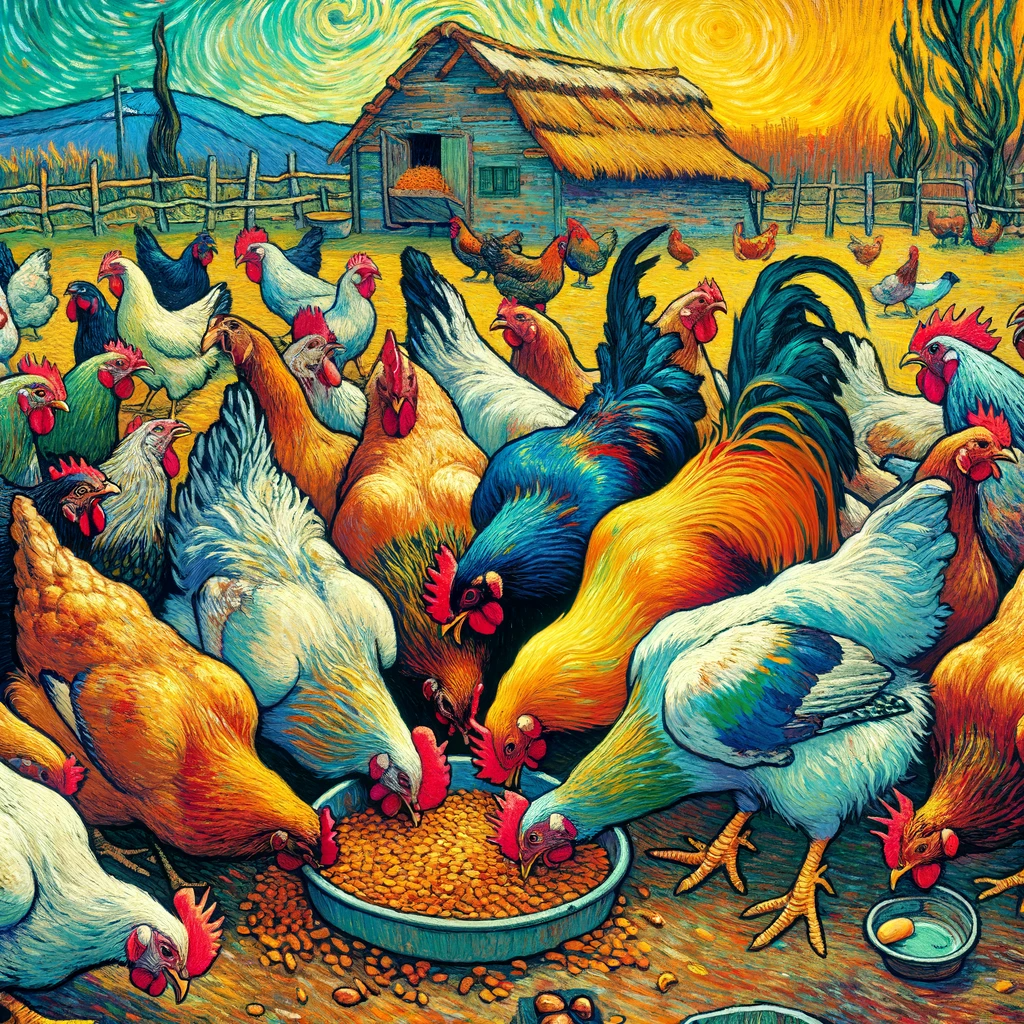
Think about the stories behind our meals. Farmers are not just producers; they are stewards of tradition, custodians of culture. When you see a carton of eggs with “Backyard Chickens” printed on the label, you’re reminded of a simple, sustainable lifestyle that many embrace. Raising chickens in the backyard isn’t just a novelty; it’s a return to our roots, a revival of community ties that remind us where our food truly comes from. With each egg collected, families are engaging in a circle of life that enriches every meal shared at the table.
Rationally, we need to consider that farmers play a crucial role in our economy, too. They provide jobs, support local markets, and contribute to the overall health of our environment. By choosing to buy local, we’re not just filling our pantries—we’re investing in our community’s future. Sustainable farming practices protect our land and water, ensuring that future generations can experience the same connection to their food.
Ethically, we have a responsibility to support those who provide for us. Every time we opt for locally-sourced foods, we create a ripple effect that empowers farmers and promotes ethical practices in agriculture. We align our eating habits with our values, fostering a system that respects both producers and consumers alike.
The connection between farmers and the communities they nourish runs deeper than mere transactions; it’s a shared narrative of resilience, commitment, and love for the land. We have the power to forge bonds—whether through a friendly nod at the farmers market, or a conversation about the latest harvest. Let’s celebrate these champions of our plates and commit to supporting our local farmers. Because when we invest in them, we’re investing in ourselves, our families, and the rich tapestry of community that sustains us all.
What Role Do Farmers Play In Feeding Our Communities?
What Role Do Farmers Play In Feeding Our Communities?
- Farmers are essential to our food systems, impacting daily lives in often overlooked ways.
- Every fresh produce item reflects the hard work and dedication of farmers who start their day early.
- Farmers not only produce food but also serve as stewards of tradition and culture, as seen in practices like raising backyard chickens.
- Choosing to buy local supports farmers economically and helps sustain local markets.
- Sustainable farming practices protect environmental resources, ensuring future generations can connect with their food.
- Supporting local farmers fosters ethical agricultural practices and aligns our eating habits with our values.
- The relationship between farmers and communities is a shared narrative of resilience and love for the land, deserving of celebration and support.
What Role Do Farmers Play In Feeding Our Communities?
How Can We Teach Our Kids the Value Of Sustainable Eating?
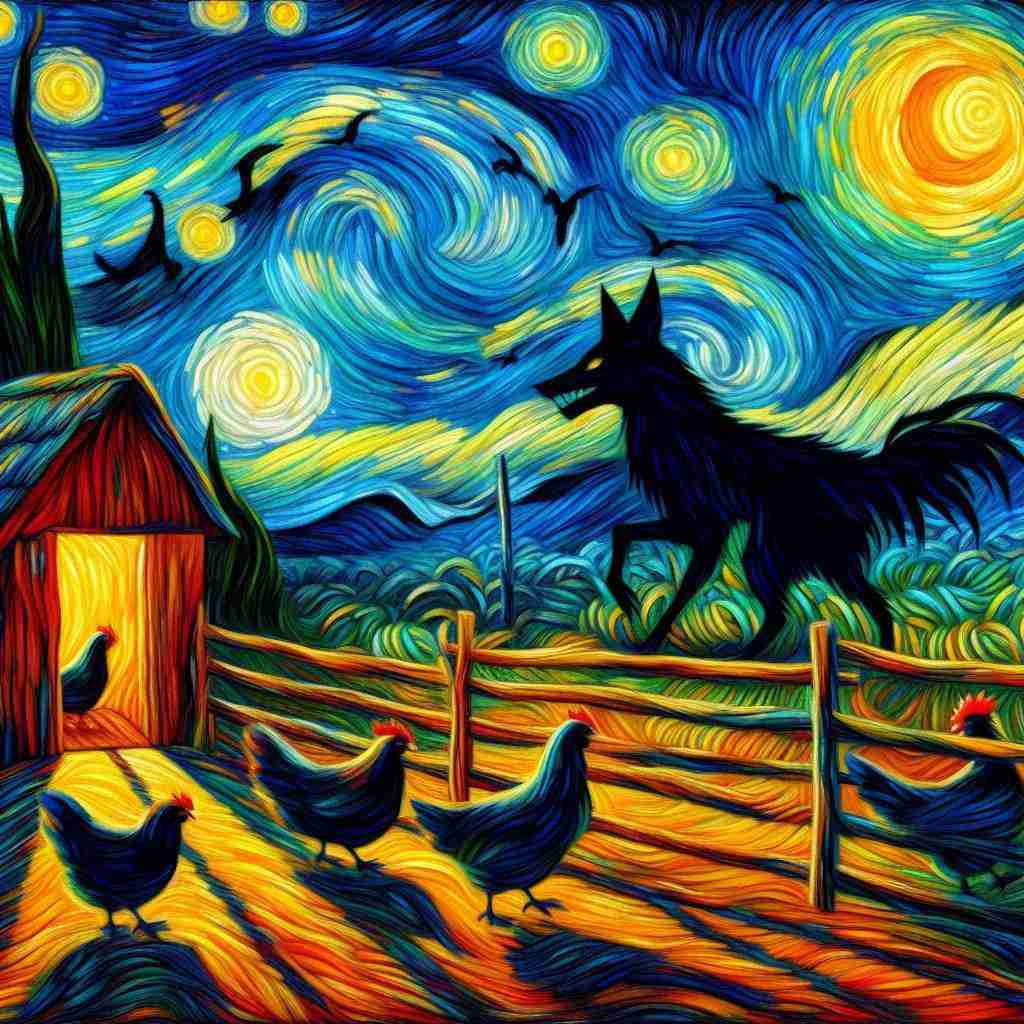
Teaching our kids the value of sustainable eating is like peeling back layers of an onion—each layer reveals a new perspective on how our choices affect the planet and our own well-being. Imagine a Saturday morning, sun peeking over the horizon, as you and your child step into the backyard, the earthy smell of fresh soil surrounding you. There, amidst the green grass and chirping birds, your backyard chickens scratch and cluck, providing more than just breakfast; they impart lessons in responsibility, empathy, and connection to nature.
Start with simple stories. Share how those eggs come from your very own chickens, brought to life by fresh feed and care. Explain the journey of food—from local farms to kitchen tables—and how every choice has implications. It’s about connecting the dots. Inspire them to consider where their food comes from and the hardworking hands behind each carrot and kale leaf. This is not just a lesson in nutrition; it’s a lesson in gratitude and respect.
Then expand that conversation to the impacts of our eating habits. When kids learn the difference between factory-farmed and sustainably sourced food, they grasp the ethics of supporting local farmers who respect the land. Teach them to read labels, understand food waste, and recognize seasonal produce. Watch as they become proud advocates for what’s on their plate, confidently making choices that align with their values.
Encourage them to engage with their community by visiting local farmers’ markets or even participating in food-growing workshops. Nothing beats the joy of digging up their first tomato or harvesting basil for a homemade pesto—moments that tug at the heartstrings and nourish the soul. It’s about fostering an understanding that food connects us to the rhythms of life, nourishing not just our bodies but our planet too.
Remember, kids mimic what they see, so be their role model. Make it a family affair—plan meals together, experiment with recipes, or even cultivate a small vegetable garden. When they see you prioritizing sustainable choices, they’ll naturally develop a sense of pride and responsibility.
Sustainable eating isn’t just a trend; it’s a lifestyle that transforms the way we view the world. Equip your children with the knowledge and appreciation for their food, and you’ll be giving them more than just meals—you’ll be giving them a legacy of care for themselves and the Earth.
How Can We Teach Our Kids the Value Of Sustainable Eating?
How Can We Teach Our Kids the Value Of Sustainable Eating?
- Teaching sustainable eating is like peeling an onion, revealing layers of impact on the planet and well-being.
- Involve children with backyard chickens to learn responsibility, empathy, and connection to nature.
- Share the journey of food from local farms to tables, emphasizing implications of food choices.
- Help kids identify the differences between factory-farmed and sustainably sourced foods.
- Encourage community engagement through visits to farmers’ markets and food-growing workshops.
- Be a role model and involve the family in meal planning and cultivating a garden.
- Fostering understanding of sustainable eating provides children with a legacy of care for themselves and the Earth.
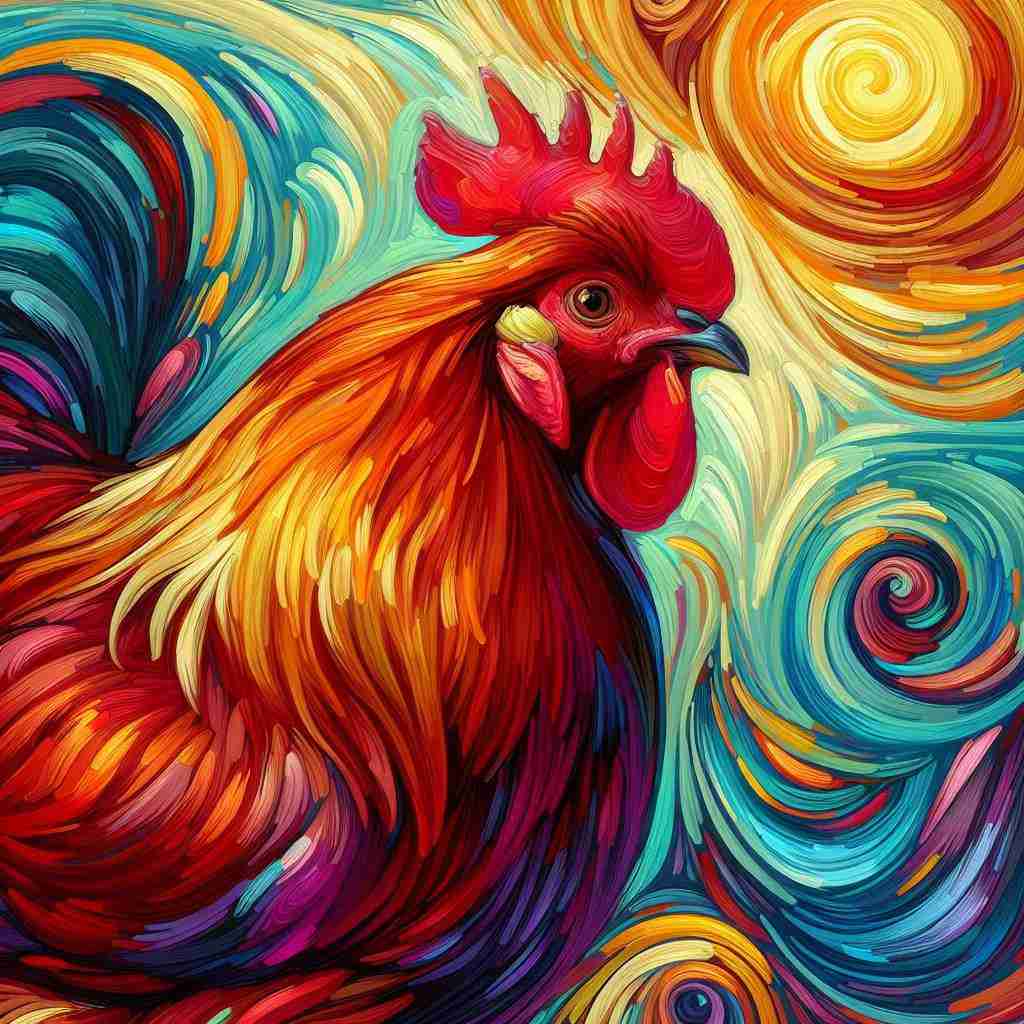
How Can We Teach Our Kids the Value Of Sustainable Eating?
Why Is It Essential to Connect with Nature Through Our Food Choices?
In a world spinning faster than a tilt-a-whirl, it’s easy to forget the simple joys of connecting with nature through our food choices. Imagine stepping into your backyard, the sun filtering through the trees, the sound of chirping birds filling the air. This isn’t just a serene picture; it’s a way of life that many of us have become disconnected from. When you think about raising backyard chickens, you might envision fresh eggs, a little clucking symphony, and the satisfaction of cultivating life. But it goes much deeper than that.
There’s a profound joy in the act of nurturing something with your own hands. These aren’t just chickens—they’re a living connection to our land, our history, and our wellbeing. Raising them could steer you away from the industrial food chain, riddled with chemicals and questionable practices, to a system that feels right in your gut. We’re talking about real food, food that doesn’t require a lengthy chemistry lesson to comprehend. It’s about making choices that honor our health, support local ecosystems, and respect the animals that share this planet with us.
This isn’t merely a narrative about sustainability; it’s a call to ethics. When you choose to buy from local farms or grow your own, you’re saying “no” to a system that prioritizes profit over integrity. You’re choosing to support families, communities, and the earth instead of harmful practices that endanger both. It’s a powerful statement, one that resonates with your values, your heart, and your community.
And let’s not forget the social aspect. Sharing a meal made with backyard eggs or veggies from your garden connects you to others in a way frozen dinners never will. It’s a narrative of togetherness, where every laugh shared over clamoring plates reinforces the bonds of family and friendship. As you gather around that table, you’re not just feeding bodies; you’re nurturing souls.
So why does it matter to connect with nature through our food choices? Because it’s not just sustenance; it’s a lifestyle. Each conscious decision invites trust and accountability back into our lives. It’s an action that reverberates through the environment and the community, paving the way for a healthier, more meaningful future. The next time you crack open a fresh egg from your own backyard, remember: you’re participating in something timeless, something essential, and ultimately, something profoundly fulfilling.

Why Is It Essential to Connect with Nature Through Our Food Choices?
Why Is It Essential to Connect with Nature Through Our Food Choices?
- Connecting with nature through food choices fosters simple joys and a sense of peace.
- Raising backyard chickens offers fresh eggs and a deeper connection to land and wellbeing.
- Nurturing chickens promotes a shift away from the industrial food chain towards real, wholesome food.
- Choosing local, sustainable food sources supports health, local ecosystems, and ethical practices.
- This choice challenges profit-driven practices that harm families and the environment.
- Sharing meals made with homegrown produce strengthens bonds of family and friendship.
- Connecting with nature through food is a lifestyle that encourages trust, accountability, and community well-being.

Why Is It Essential to Connect with Nature Through Our Food Choices?
Conclusion
In this bustling world where convenience often overshadows connection, we must remind ourselves and, more importantly, our children of the vital bonds that tether us to the food we consume. Picture your backyard filled with clucking chickens, a scene bursting with joy and life. These remarkable creatures represent far more than just a quick breakfast option; they embody a powerful lesson about the Circle of Life—one that we have a responsibility to pass on to future generations.
When kids scoop up a warm egg, they’re not just cradling a potential omelet; they’re holding a connection to nature, a tangible reminder of the hard work and nurturing that brought it to existence. The inquiries this sparks can lead to rich discussions about food sourcing, ethics, and sustainability. Understanding that every bite of food has a story—the skilled farmer rising with the sun, the soil that nourishes the crops, the responsibility to respect living creatures—creates a sense of gratitude that can profoundly influence their eating habits and moral compass.
This journey extends beyond personal meals; it ripples through communities. The act of gathering for a meal, whether laden with backyard goodness or vibrant farmers’ market finds, becomes a shared narrative that reinforces our collective values. We begin to see eating not simply as a necessity but as an opportunity to celebrate life, relationships, and community. The more we engage, the greater our collective commitment to sustainable practices becomes, advocating for a food system that respects both the earth and all its inhabitants.
Incorporating these lessons into our lives transforms the mundane into the sacred. Every meal shared around a table is not just about feeding bodies; it’s about feeding souls. It fosters empathy, respect, and a profound awareness that our choices matter—not just for ourselves but for the environment and the future we share with one another. By encouraging a connection to nature through thoughtful eating, we cultivate a more compassionate society.
So, as you navigate the complexities of modern-day living, don’t lose sight of the simple yet profound truth that every meal is a chance to honor life. Instilling this appreciation in our children will forge a legacy of gratitude, stewardship, and connection that will enrich their lives and, in turn, the world around them. Let’s raise responsible eaters and compassionate individuals, one backyard chicken—or one fresh meal—at a time.

Conclusion
Conclusion:
- In modern times, convenience often overshadows connection to food.
- Backyard chickens symbolize the important bonds we have with our food and the Circle of Life.
- Kids learning about where their food comes from fosters discussions on ethics and sustainability.
- Every food has a story involving farmers, soil, and respect for living creatures, cultivating gratitude.
- Gathering for meals strengthens community values, transforming eating into a celebration of life.
- Sharing meals promotes empathy and awareness of the impact of our food choices on the environment.
- Teaching children about food connections can create a legacy of gratitude and stewardship for the future.

Conclusion
Other Resources
Other Resources
Here is a list of other resources you can review online to learn more:
- Mycoplasmosis
- Java
- Golden Comet
- onions
- Speckled Sussex
- Jersey Giant
- Buckeye
- Sunflower
- Iowa Blue
- coyotes
- Sicilian Buttercup
- Altsteirer
- Omphalitis
- Dominique
- Egyptian Fayoumi
- Marsh Daisy
- Newcastle Disease
Use This Prompt To Get More Resources With Your Favorite Online AI Tool: Please provide me with a list of online articles with their URLs in a bulleted list that I can read regarding From Feed to Feast – Helping Kids Understand the Circle Of Life

Other Resources
Glossary Terms
From Feed to Feast – Helping Kids Understand the Circle Of Life – Glossary Of Terms
1. Agriculture: The practice of cultivating soil, growing crops, and raising animals for food, fiber, and other products.
2. Biodiversity: The variety of life in a particular habitat or ecosystem, crucial for health and sustainability.
3. Biodynamic Farming: An organic farming approach that emphasizes spiritual and ecological practices, treating farms as self-sustaining ecosystems.
4. Composting: The process of recycling organic matter, such as food scraps and yard waste, into a rich soil amendment.
5. Ecosystem: A community of living organisms interacting with their physical environment, including plants, animals, and microorganisms.
6. Farming: The science and art of cultivating land and raising animals for food production.
7. Food Chain: A linear sequence of organisms through which nutrients and energy pass as one organism eats another.
8. Food Web: A complex network of interrelated food chains in an ecosystem, illustrating how energy and nutrients flow.
9. Harvesting: The process of gathering mature crops from the fields for consumption or sale.
10. Hydroponics: A method of growing plants without soil, using mineral nutrient solutions in water.
11. Nutrient Cycle: The movement of nutrients through the ecosystem, involving processes like absorption, decomposition, and recycling.
12. Organic Farming: A method of farming that relies on natural processes and avoids synthetic chemicals and genetically modified organisms (GMOs).
13. Pollination: The transfer of pollen from the male part of a flower to the female part, necessary for fertilization and fruit production.
14. Predator: An animal that hunts and eats other animals for sustenance, playing a vital role in maintaining ecosystem balance.
15. Prey: An organism that is hunted and eaten by a predator.
16. Recycling: The process of converting waste materials into reusable materials, reducing the need for new resources.
17. Sustainability: Meeting current needs without compromising the ability of future generations to meet their own, particularly regarding environmental health.
18. Soil Erosion: The removal of the top layer of soil, which can be caused by water, wind, or human activity, affecting agriculture.
19. Photosynthesis: The process by which green plants use sunlight to synthesize foods with carbon dioxide and water, producing oxygen as a byproduct.
20. Crop Rotation: The practice of growing different types of crops in the same area in sequential seasons to maintain soil health and reduce pests.
21. Ethanol: A renewable fuel made from plant materials, often used as a biofuel in vehicles.
22. Greenhouse Effect: The warming of Earth’s surface caused by greenhouse gases trapping heat in the atmosphere.
23. Agroecology: An ecological approach to agriculture that views agricultural areas as ecosystems and strives for sustainability and biodiversity.
24. Endangered Species: A species at risk of extinction due to habitat loss, pollution, poaching, or other factors.
25. Community Supported Agriculture (CSA): A system where consumers buy shares of a farm’s harvest in advance, supporting local farmers.
26. Aquaculture: The farming of aquatic organisms, such as fish and seafood, for food.
27. Healthy Eating: Consuming a balanced diet that includes a variety of foods to promote overall health and well-being.
28. Food Security: The state of having reliable access to a sufficient quantity of affordable, nutritious food.
29. Permaculture: A design philosophy that uses principles of ecology to create sustainable agricultural systems.
30. Wildlife Conservation: Efforts to protect animal species and their habitats to ensure the health of ecosystems and biodiversity.

Glossary Of Terms
Other Questions
From Feed to Feast – Helping Kids Understand the Circle Of Life – Other Questions
If you wish to explore and discover more, consider looking for answers to these questions:
- What are some practical steps to start raising backyard chickens?
- How can parents encourage kids to engage with nature through gardening?
- What other animals can be kept in a backyard to teach children about the circle of life?
- How do community gardens contribute to sustainable eating practices?
- What are the benefits of consuming locally-sourced foods?
- How can schools incorporate lessons about food origins into their curriculum?
- What resources are available for families interested in sustainable farming?
- How does understanding food production contribute to overall health and wellness?
- What are some effective ways to reduce food waste at home?
- How can we advocate for humane treatment of farm animals?

Other Questions
Haiku
From Feed to Feast – Helping Kids Understand the Circle Of Life – A Haiku
Chickens scratch the earth,
Children learn the life cycle—
Meals steeped in respect.

Haiku
Poem
From Feed to Feast – Helping Kids Understand the Circle Of Life – A Poem
In the morning’s golden light, children dash with glee,
A backyard brims with laughter, and a lesson waits to be.
Chickens cluck a simple tale of life, of care, of grace,
As kids explore the fragile egg, a promise to embrace.
From farm to fork, a journey flows, a cycle rich and deep,
Every meal a story woven, memories we keep.
The farmer’s hands, the earth bestowed, a trust we must renew,
In every bite, a life respected, vibrant, fresh, and true.
So gather ’round the table, share the fruits of love and toil,
With gratitude we savor, the nourishment from soil.
Let children plant their dreams in earth, and learn the sacred ways,
To honor what sustains them, in both their nights and days.
For every meal is sacred, a chance to pause, reflect,
To understand the lives behind, the effort and respect.
In chickens and in gardens, they grow ethos, heart, and mind,
A legacy of kindness, in each growing seed we find.
Together we will shape the future, in small, yet mighty ways,
Teaching kids the value of life, in every meal that stays.
So in your backyard’s echo, let compassion take its flight,
For understanding the circle of life will make our hearts ignite.
Poem
Checklist
From Feed to Feast – Helping Kids Understand the Circle Of Life – A Checklist
Checklist for Embracing the Circle of Life with Kids
Emotional Appeal
_____ Explore the backyard and interact with nature: Engage kids in caring for backyard chickens.
_____ Share stories that celebrate food’s journey from farm to table: Use personal anecdotes to inspire curiosity and appreciation.
_____ Cultivate gratitude: Encourage children to reflect on where their food originates and who helps produce it.
Rational Appeal
_____ Discuss the benefits of sustainable eating: Educate on the environmental impact of food choices.
_____ Teach about local food systems: Explain the food supply chain and its importance to community health.
_____ Emphasize mindful consumption: Prompt questions about food sources and quality during meals.
Ethical Appeal
_____ Foster respect for animal welfare: Discuss humane farming practices and the importance of ethical sourcing.
_____ Create awareness about food waste: Encourage kids to think about ways to reduce waste in meal prep and consumption.
_____ Promote a sense of responsibility: Involve kids in decisions around food purchases, fostering advocacy for sustainable practices.
Authority Appeal
_____ Utilize resources from local farmers: Organize visits or workshops to connect kids with the people who grow their food.
_____ Reference educational materials: Share books or documentaries about the food cycle, sustainability, and ethical eating.
_____ Consult experts: Invite nutritionists or environmentalists to discuss the impact of food choices and dietary health.
Narrative Appeal
_____ Inspire with real-life examples: Share stories of families or communities who practice sustainable living successfully.
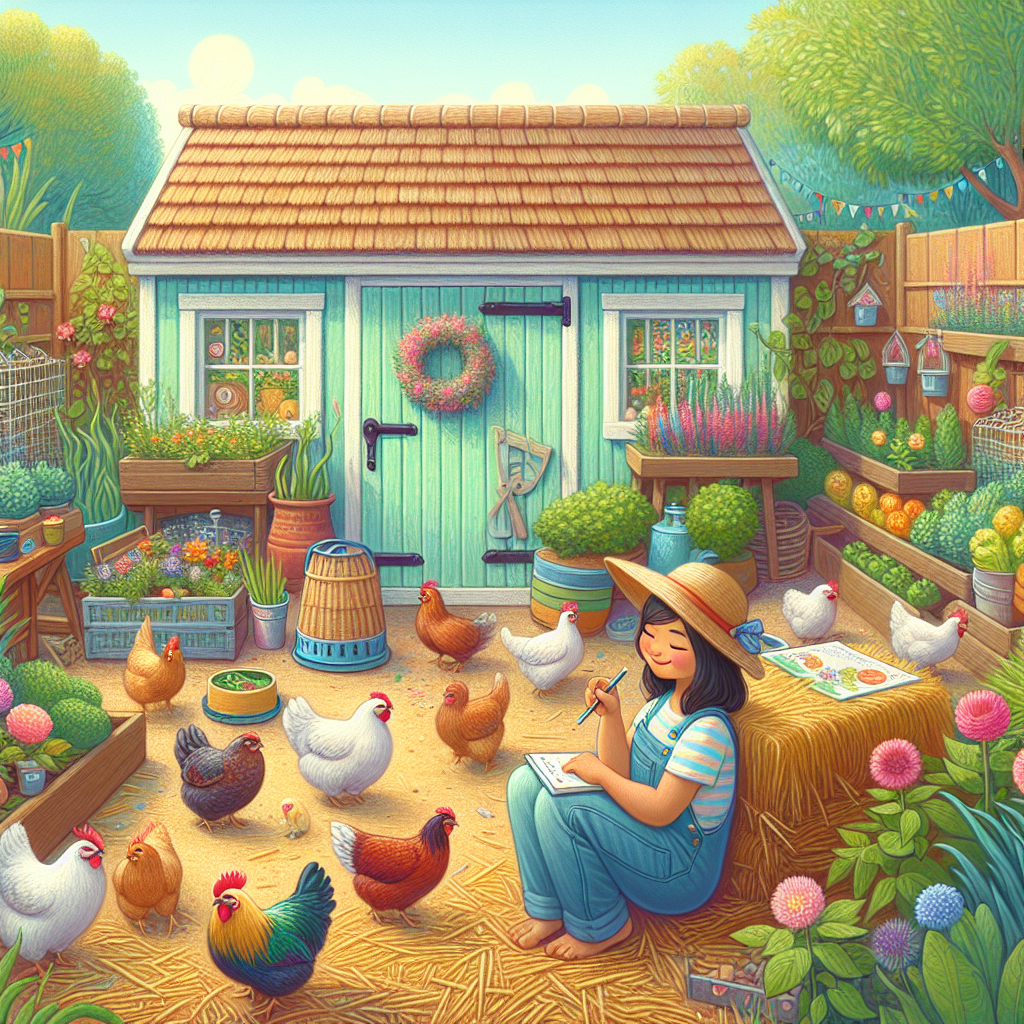
_____ Create a daily food diary: Encourage kids to document their meals and the journey behind them through drawings or writing.
_____ Develop a tradition: Establish a family ritual, such as a weekly farmers market visit or cooking night, to reinforce connections to food.
Social Appeal
_____ Involve friends and family: Host gatherings centered around home-cooked meals using local ingredients to strengthen community ties.
_____ Encourage teamwork in gardening: Involve neighbors or school friends in growing vegetables and caring for chickens.
_____ Build a support network: Connect with local groups or online forums that share interests in sustainable eating and raising backyard animals.
Use this checklist to empower children in understanding and appreciating the circle of life through their food choices!
Checklist
At BackyardChickenNews, we help people who want to raise backyard chickens by collating information and news blended with our own personal experiences.
Be sure to read our other related stories at BackyardChickenNews to learn more about raising chickens in your backyard.