

Unearthing Timeless Wisdom For Life’s Journey
By Tom Seest
At BackyardChickenNews, we help people who want to raise backyard chickens by collating information and news blended with our own personal experiences.
Be sure to read our other related stories at BackyardChickenNews to learn more about raising chickens in your backyard.
The Harmony Of Feathers and Flowers – Lessons From the Past
In a world where the hustle and bustle often drowns out the simple pleasures, we find inspiration right in our backyards. Imagine stepping outside and hearing the gentle clucking of chickens—a melody that harmonizes with the vibrant flutter of flowers. This is a relationship built on symbiosis, an age-old dance that speaks to the heart of our existence.
Backyard chickens aren’t just pets; they are an embodiment of resilience and self-sufficiency. Raising chickens can rekindle a sense of purpose, connecting us to the earth in ways we’ve long forgotten. Psychologically, there’s a profound satisfaction in nurturing life. The process of feeding, caring, and even collecting eggs fosters a daily ritual that grounds you in the present—an antidote to the chaos of modern life. Each morning, as you walk through your garden surrounded by the vivid colors of blooms, you’re participating in a beautiful cycle of growth and renewal.
Moreover, from an ethical standpoint, providing a safe home for chickens allows us to rethink our relationship with food. In a culture swamped with mass production, choosing to raise our own provides clarity and a sense of responsibility. We’re not just consumers but stewards of the land, entrusted with the care of these feathered friends. By doing so, we engage in an act of advocacy for sustainable living, empowering ourselves and influencing our communities to prioritize local and humane practices.
As we reflect on this connection, let’s not forget the narrative of those who’ve come before us—generations who embraced a life interwoven with nature. They didn’t just rely on store-bought eggs; they nurtured the land, fostering a sense of community and shared labor. There’s a reason many cultures celebrate the connection between feathers and flowers—a testament to nature’s beauty and balance.
When you choose to embark on the journey of raising backyard chickens, you’re entering a world where each cluck tells a story, and every flower represents the potential that lies within our hands. It’s an invitation to reconnect with the foundational aspects of life, to cultivate trust—not just in our food systems but in ourselves. So, let’s embrace this harmony and take action, one feather and flower at a time, rediscovering the magic that exists all around us.

The Harmony Of Feathers and Flowers – Lessons From the Past
The Harmony Of Feathers and Flowers – Lessons From the Past
- Backyard chickens embody resilience and self-sufficiency, providing a connection to nature.
- The act of raising chickens offers psychological satisfaction through nurturing life.
- Feeding and caring for chickens fosters a daily ritual, grounding individuals amid modern chaos.
- Having chickens encourages a rethinking of our relationship with food, emphasizing local and humane practices.
- Raising chickens promotes a sense of responsibility and stewardship over the land and animals.
- The tradition of nurturing the land is woven into generational narratives, fostering community and shared labor.
- Choosing to raise backyard chickens invites a reconnection with life’s foundational aspects and cultivates trust in food systems and ourselves.

The Harmony Of Feathers and Flowers – Lessons From the Past
Table Of Contents
- The Harmony Of Feathers and Flowers – Lessons From the Past
- What Stories Do Feathers and Flowers Tell About Our Shared History?
- How Can We Ethically Source Materials From Nature Without Harming It?
- How Do Societal Values Shape Our Interactions with Natural Beauty?
- What Stories Do The Feathers And Flowers Whisper About Our Past?
- What Emotions Do Birds And Blooms Evoke In Our Daily Lives?
- Are We Truly Honoring Our Heritage In The Way We Interact With Nature?
- How Can The Connections Between Feathers And Flowers Guide Our Values?
- Conclusion
- Other Resources
- Glossary Of Terms
- Other Questions
- Haiku
- Poem
- Checklist
What Stories Do Feathers and Flowers Tell About Our Shared History?
Let’s wander through the backyard, where the simple beauty of feathers and flowers unfolds a tale that resonates deeply within us. Have you ever watched a hen pecking around the yard, the soft rustle of her feathers echoing a legacy built on survival and connection? Backyard chickens are more than just a source of eggs; they carry with them stories of resilience and community. Each feather holds the essence of centuries, tracing back to the very roots of agriculture and human civilization.
Imagine the vibrant blooms in your garden, each petal whispering tales of the earth’s diversity. From the humble daisy to the bold sunflower, flowers have historically symbolized hope, love, and the interdependence of species. This isn’t just about aesthetics; it’s about the ecosystems that thrive when we honor nature’s cycles. When we plant, nurture, and cherish these blooms, we’re participating in a tradition that ties us to generations who understood the delicate balance of life.
This connection between feathers and flowers is more than skin deep. It’s a reminder that we are stewards of the Earth, custodians of a shared history that reveals what it means to coexist. The interaction of chickens foraging among flowering wildflowers paints a picture of harmony, where every call and flutter contributes to the larger symphony of life. It’s a vivid tableau of collaboration, urging us to reflect on our role within the tapestry of nature.
Let’s engage our heads, hearts, and guts by embracing this narrative. We all crave connection. Whether it’s sharing a meal with loved ones nurtured by backyard chickens or exchanging gardening tips with a neighbor, those moments forge relationships that fortify our communities. By choosing to cultivate these small ecosystems around us, we’re not only preserving this historical dialogue but also paving the way for future generations to inherit the same wisdom.
So, why not explore your backyard? Dig your fingers into the soil, watch the chickens flit about, and witness firsthand the captivating stories waiting to be told. This isn’t just about raising chickens or growing flowers; it’s about fostering a legacy of understanding, love, and respect for the delicate curls of life we often take for granted. Let the simple beauties of feathers and flowers serve as a poignant reminder of our shared past—and a call to action for a more connected future.
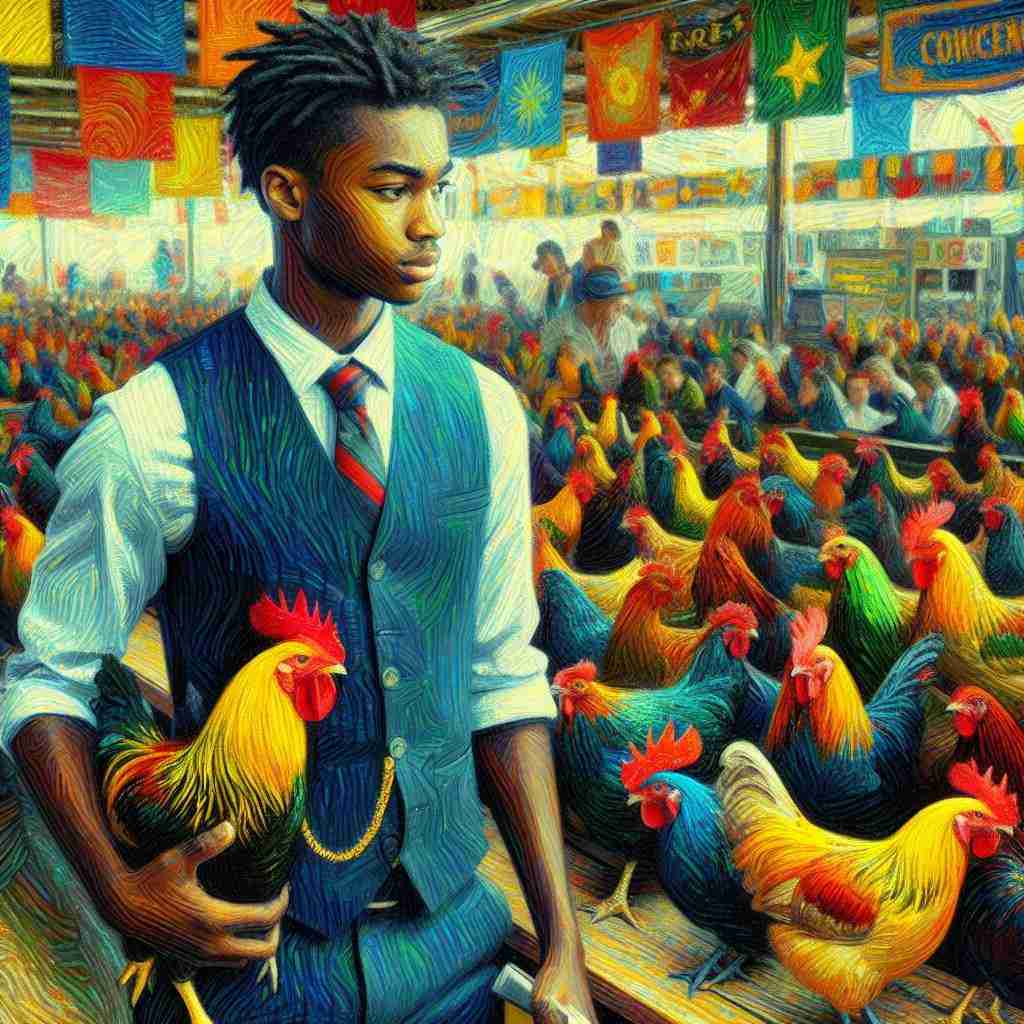
What Stories Do Feathers and Flowers Tell About Our Shared History?
What Stories Do Feathers and Flowers Tell About Our Shared History?
- The backyard reveals a narrative of beauty through feathers and flowers.
- Backyard chickens symbolize resilience and community, contributing to our agricultural legacy.
- Flowers express hope and interdependence, representing diverse ecosystems.
- Nurturing plants connects us to generations that understood the balance of life.
- The harmony between chickens and wildflowers exemplifies coexistence and collaboration.
- Engaging with our surroundings strengthens community bonds and preserves historical traditions.
- Exploring our backyards fosters a legacy of understanding and respect for nature.

What Stories Do Feathers and Flowers Tell About Our Shared History?
How Can We Ethically Source Materials From Nature Without Harming It?
When it comes to ethically sourcing materials from nature, let’s take a step back and consider the very foundation of our existence. Imagine waking up to the soft clucking of backyard chickens, their rhythmic sounds echoing the heartbeat of our shared ecosystem. These magnificent creatures remind us that our relationship with nature isn’t a transaction of exploitation, but rather a partnership of mutual respect.
The truth is, every item we extract from the earth comes with an obligation—a responsibility to tread lightly and nurture the world around us. Take a moment to think about where that coffee in your cup comes from. Each bean carries with it a story, a history of toil and care. By choosing ethically sourced materials, we honor that journey, supporting sustainable practices that nurture both the land and its people.
As we delve into the nitty-gritty of the supply chain, let’s not forget the power we hold as consumers. Each purchase is a vote for the kind of world we want to create. When we opt for products that are sourced with respect for the environment, we champion a vision of industry that prioritizes not just profit but the genuine well-being of the planet. It’s a rational choice, anchored in solid principles; a system where clean materials, fair labor, and ecological stewardship can coexist in harmony.
Consider the stories of those who’ve paved the way towards ethical sourcing. Farmers who cultivate crops using regenerative practices, artisans who harvest materials sustainably, and companies who invest in community welfare. Their courage and vision remind us that we can carve out a future where exploration of the earth doesn’t mean its depletion; rather, it can signify its rejuvenation.
These principles are not bound by borders. Countries across the globe are evolving, investing in sustainable practices that respect the land. When we share this vision, we create a community that values integrity over expedience. The collective effort nurtures a culture where social responsibility is woven into the fabric of business.
So, the next time you sip that sustainably sourced coffee or admire a handcrafted item, remember the symbiosis of our existence with nature. Join in cultivating a world where our choices leave a heartbeat, not a footprint. Let’s embrace ethical sourcing not just as a lofty ideal but as a tangible way to ensure a vibrant planet for generations to come. Together, we can nurture our connection to the earth, transforming our consumption into an act of love.

How Can We Ethically Source Materials From Nature Without Harming It?
How Can We Ethically Source Materials From Nature Without Harming It?
- We must rethink our relationship with nature, viewing it as a partnership rather than exploitation.
- Extracting materials from the earth comes with a responsibility to tread lightly and nurture the environment.
- Every ethically sourced product honors the story and history behind it, supporting sustainable practices.
- As consumers, our purchasing decisions influence the type of world we want to create.
- Ethical sourcing prioritizes ecological well-being alongside profit, fostering fair labor and clean materials.
- Stories from farmers and artisans highlight the potential for rejuvenation through sustainable practices.
- Embracing ethical sourcing fosters a culture of social responsibility and integrity across borders.
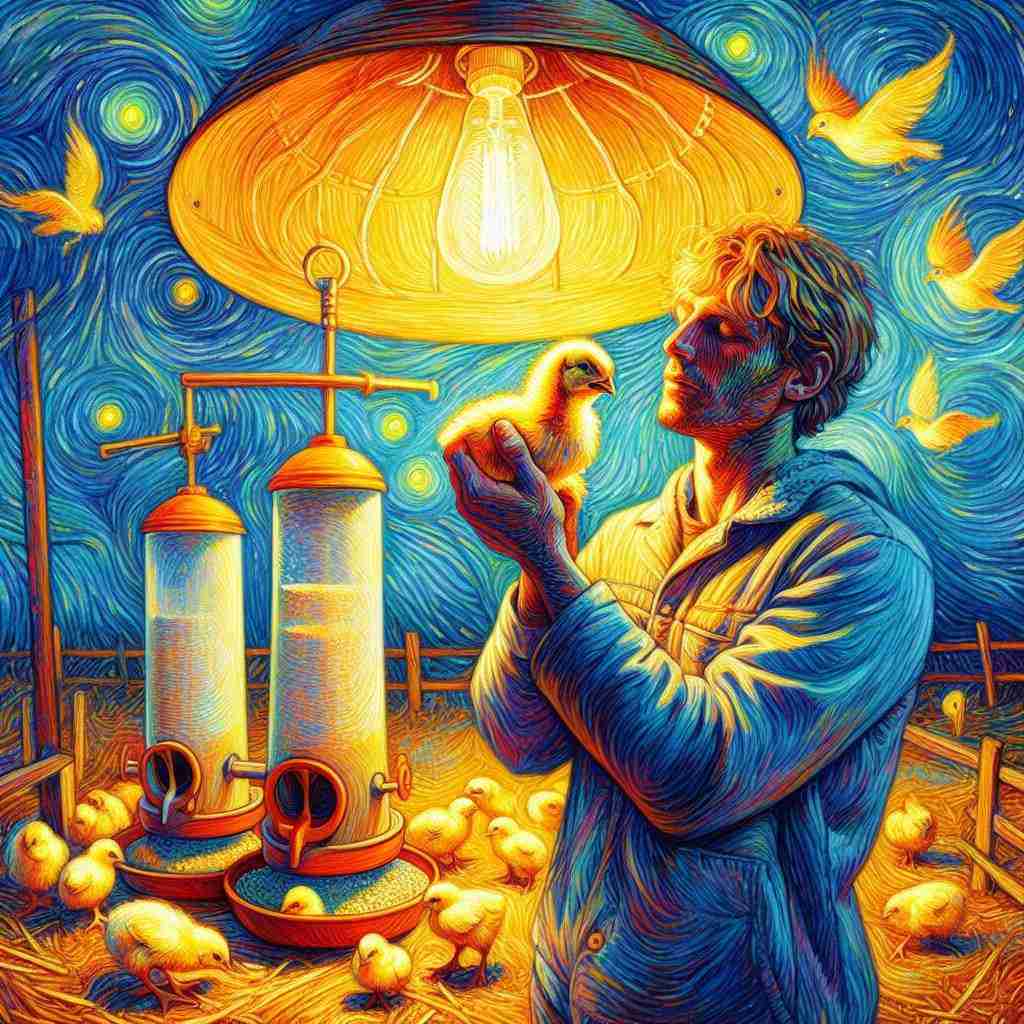
How Can We Ethically Source Materials From Nature Without Harming It?
How Do Societal Values Shape Our Interactions with Natural Beauty?
When we think about the beauty of our natural world—those sweeping vistas, tranquil forests, and sparkling rivers—what often comes to mind is more than just aesthetics; it’s a reflection of our values. Imagine a neighborhood full of backyard chickens. Now, you might picture a quaint scene, but dig a little deeper, and there lies a rich narrative about our societal values. Raising chickens isn’t merely a trend; it’s a gateway to reconnecting with our roots—quite literally. It embodies a commitment to sustainability, self-sufficiency, and a deep-seated respect for the cycles of life.
Why do we feel compelled to plant gardens or enjoy a sunset over the mountains? It’s because these acts resonate with our ethics—the understanding that we’re part of something larger than ourselves. Nature is a tapestry, and each of us stitches a thread into it. By cultivating a relationship with the environment, like raising those clucking companions in our backyards, we forge a bond that transcends generations. It’s a declaration that we care, not just for today but for tomorrow, showcasing an inherent responsibility to the world we inhabit.
Yet, there’s a rational side to this emotional engagement. We know that interacting with nature rewards us with benefits—reduced stress, improved mental health, and a stronger sense of community. The simple act of walking in a park or tending to those chickens gets us moving, rejuvenating body and spirit. It’s not just about aesthetic pleasure; it’s about recognizing the profound impact these interactions have on our overall well-being.
In sharing our stories—whether it’s the joy of harvesting eggs or the quiet peace found in watching nature unfold—we cultivate a sense of authority. We inspire others to embrace the beauty that surrounds us. It’s a shared experience, one that beckons others to join in, igniting a passion for preserving our natural environments and making our voices heard in advocating for sustainable practices.
So, the next time you’re out in your yard, watching your chickens or feeling the breeze against your face, remember this: our collective values shape the world around us. Every effort we make to cherish natural beauty is a step towards a brighter, more connected future. Let’s nurture that connection, one backyard chicken at a time.

How Do Societal Values Shape Our Interactions with Natural Beauty?
How Do Societal Values Shape Our Interactions with Natural Beauty?
- Natural beauty reflects societal values beyond aesthetics.
- Raising backyard chickens symbolizes sustainability and self-sufficiency.
- Acts like gardening and enjoying nature connect us to something larger.
- Engagement with nature fosters responsibility for future generations.
- Interactions with nature offer mental health benefits and community strength.
- Sharing experiences cultivates authority and inspires others toward sustainability.
- Collective values shape our environment; every effort nurtures a connected future.

How Do Societal Values Shape Our Interactions with Natural Beauty?
What Stories Do The Feathers And Flowers Whisper About Our Past?
In the gentle sway of the backyard, where feathered friends cluck and bloom ignite the soil, stories unfold that speak of our shared history and the lessons etched in each fragile petal and plump, feathery body. The simple sight of those *backyard chickens* strutting around evokes a rhythm of life that goes beyond mere existence. It reminds us of our roots, where we arose from the soil, laboring together, harvesting not just crops but the bonds that sustain us.
These chickens—keepers of an age-old tradition—carry more than just eggs; they carry the weight of our ancestors who depended on the land. Each peck at the earth symbolizes resilience, a nod to the grit inherent in those who toiled long before us. When we gather around the coop, the laughter muddied with stories of feathered antics reminds us that joy and hardship have always danced together in the human experience. It’s here in the mundane where we find connection, a community bound by shared struggle and delight.
As we care for these creatures, we cultivate not just a garden but a mindset that urges us to reflect on responsible stewardship. Are we honoring the ecosystems that cradle our homes? Those *flowers* blooming nearby whisper of balance—fragile ecosystems that flourish when given respect. For every animal we raise, every seed we plant, we forge an ethical relationship with the crux of our existence.
But this isn’t just about nature; it’s about re-claiming our narrative. In an age dominated by the sterile confines of corporate farming and anonymous produce, we are rediscovering what it means to nurture life. We are becoming stewards of our own stories, ones that reclaim flavor and fragrance while simultaneously connecting with a deeper purpose. By choosing to raise *backyard chickens*, we say ‘yes’ to local, sustainable living.
This journey, rich in ritual and rhythm, beckons us to reflect on our values. It calls us to come together, leaning into community as we rediscover what’s been lost in modernity: authenticity. When we hear the whispers of these feathers and flowers, we don’t merely listen; we engage. We find trust & confidence in a path that nurtures our families and honors our connection to the earth, inviting everyone to join us in reclaiming our past and inspiring a future grounded in meaningful living.

What Stories Do The Feathers And Flowers Whisper About Our Past?
What Stories Do The Feathers And Flowers Whisper About Our Past?
- The backyard, filled with chickens and blooming flowers, symbolizes our shared history and the lessons of resilience.
- Backyard chickens embody an age-old tradition, representing the toil of our ancestors and human connections.
- The joy of gathering around the coop highlights the blend of hardship and happiness in our lives.
- Caring for these animals fosters a mindset of responsible stewardship towards the ecosystems around us.
- This narrative encourages awareness of local, sustainable living against the backdrop of corporate farming.
- Raising backyard chickens helps reclaim authenticity and meaningful connections in modern life.
- The journey invites community involvement in rediscovering values grounded in nurturing and honoring our relationship with the earth.

What Stories Do The Feathers And Flowers Whisper About Our Past?
What Emotions Do Birds And Blooms Evoke In Our Daily Lives?
In our fast-paced lives, the simple presence of birds and blooms can evoke a tapestry of emotions, grounding us and reminding us of nature’s beauty. Picture stepping outside and hearing the cheerful symphony of songbirds, their melodies weaving through the air like a warm embrace. It’s a moment that stirs your heart, ignites memories, and paints a smile on your face. Birds are not just winged creatures flitting about; they symbolize freedom and resilience. When we witness their flight, we are reminded of our own aspirations, soaring high above life’s challenges.
Then there are flowers—each petal a story, each fragrance a potent trigger of nostalgia. Whether it’s a riot of wildflowers breezing through a once-vibrant meadow, or roses sprawling in your neighbor’s garden, blooms speak a universal language of love and connection. They remind us of life’s delicate cycles: the seasons of growth, decay, and renewal. Think about the last time you received a bouquet or caught sight of a blooming magnolia. That rush of warmth and kinship? It speaks volumes about our desire to connect with others, our yearning for beauty in the mundane.
Yet, beyond the heartstrings lies a hard truth: the world is evolving. Climate change and habitat destruction threaten these treasures. Cultivating your backyard, perhaps by nurturing blooms or even raising backyard chickens, presents a practical antidote. Imagine the joy that comes from gathering fresh eggs or watching your little flock roam—these small choices have deep impacts. Each bird you welcome brings a touch of life, while every flower nurtured serves as a testament to your commitment to nature.
Birds and blooms serve a greater purpose: they foster community, inviting neighbors to share in their beauty and vibrancy. They connect us—not just to nature, but to each other. So the next time you hear that familiar chirp or catch the scent of a fresh bloom, let it envelop you. Reflect on what it means to be part of this intricate ecosystem. Take action. Plant a garden, adopt a few chickens, or simply step outside and appreciate what’s around you. Engage in this dance with nature—together, we can cultivate beauty, nurture connections, and foster a sense of responsibility for the world we share. Let’s not overlook the emotions that these simple, yet profound, elements can inspire in our daily lives.

What Emotions Do Birds And Blooms Evoke In Our Daily Lives?
What Emotions Do Birds And Blooms Evoke In Our Daily Lives?
- The presence of birds and blooms evokes emotions and connects us to nature’s beauty.
- Birds symbolize freedom and resilience, reminding us of our aspirations.
- Flowers tell stories and trigger nostalgia, representing love and connection.
- They reflect life’s cycles of growth, decay, and renewal.
- Climate change and habitat destruction threaten these natural treasures.
- Cultivating your backyard by nurturing blooms or raising chickens can foster connection and joy.
- Birds and blooms can strengthen community ties and encourage responsibility for our shared environment.

What Emotions Do Birds And Blooms Evoke In Our Daily Lives?
Are We Truly Honoring Our Heritage In The Way We Interact With Nature?
As we reflect on our relationship with the land, it’s essential to consider how our heritage shapes our interactions with nature. Generations before us understood the delicate balance required to thrive alongside the earth’s bounty. They didn’t just take; they cultivated, honored, and nurtured. Today, many of us have traded those time-honored traditions for convenience. We rush to the grocery store, filling our carts with products that often don’t align with a sustainable future. Meanwhile, the simple joy of raising backyard chickens, a practice steeped in our history, diminishes as urban sprawl encroaches on our connection to the soil and the cycle of life.
Imagine for a moment the feeling of gathering fresh eggs each morning — warm, delicate, a tangible reminder of the work that goes into sustaining life. It’s a ritual that bridges the gap between generations, allowing children to witness the profound relationship between effort and reward. Backyard chickens not only provide sustenance but also create a narrative of stewardship, respect, and responsibility. This small act can transform how we perceive our environment, shifting us from mere consumers to caretakers.
Yet, it’s not just about the chickens. It’s about the myriad lessons nature offers when we slow down and listen. Each tree we plant, every garden we tend, is an investment in our community and a testament to our commitment to the planet. By engaging with the natural world, we foster a sense of belonging that transcends time. We join a lineage of doers who understood that the earth is not merely background scenery but a cherished partner in our existence.
Rationally speaking, our actions today hold the power to shape the future. The issues we face — climate change, habitat destruction, and food insecurity — are daunting, but they also present opportunities for each of us to be proactive. We can reclaim our heritage by leading from the front, advocating for sustainable practices in our communities, and embracing local food systems.
As we dig our hands into the earth, we cultivate a deeper connection — not just to our roots but to each other. In every seed we plant or animal we raise, we affirm our commitment to honor the wisdom of our ancestors and pave the way for future generations. Let’s not just acknowledge our heritage; let’s stand up and live it.

Are We Truly Honoring Our Heritage In The Way We Interact With Nature?
Are We Truly Honoring Our Heritage In The Way We Interact With Nature?
- Reflecting on our relationship with the land emphasizes the influence of heritage on our interactions with nature.
- Previous generations engaged in nurturing the earth rather than merely taking from it.
- Modern convenience often leads to a disconnection from sustainable practices, like raising backyard chickens.
- Gathering fresh eggs serves as a ritual that connects generations and illustrates the relationship between effort and reward.
- Engaging with nature through gardening and tree planting enriches community ties and expresses commitment to the planet.
- Current actions have the potential to address critical issues such as climate change and food insecurity.
- Honoring our heritage inspires proactive involvement in sustainable practices and local food systems for a better future.
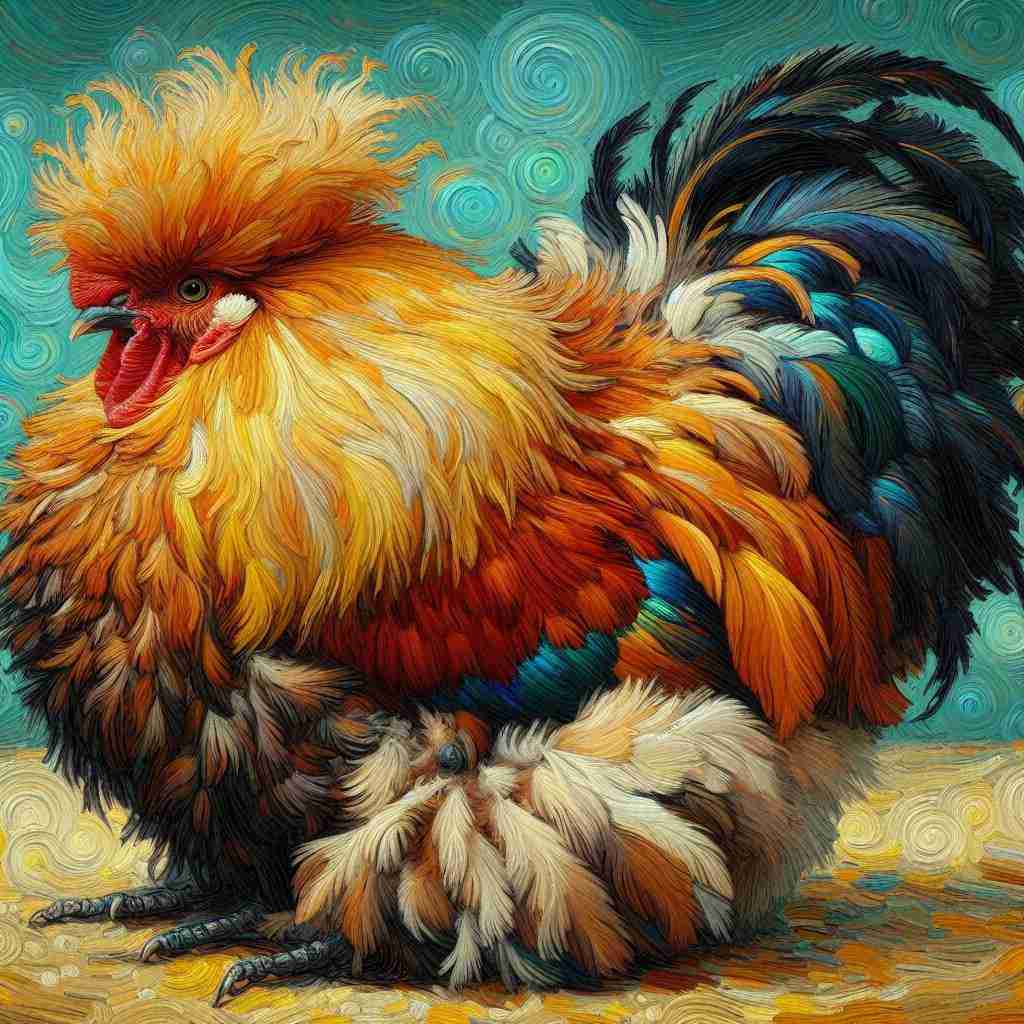
Are We Truly Honoring Our Heritage In The Way We Interact With Nature?
How Can The Connections Between Feathers And Flowers Guide Our Values?
In our bustling lives, we often rush past the beauty that surrounds us, taking for granted the small miracles that connect us to nature. Think about the delicate feathers of a chicken in your backyard or the vibrant blooms of flowers in your garden. These humble pieces of our world are intertwined in ways that speak volumes about our values and aspirations. Feathers and flowers actively participate in an unspoken dialogue about resilience, grace, and harmony.
Imagine a bright morning in your backyard, as the sunlight filters through leaves, casting playful shadows on the ground. The sight of your chickens scratching in the dirt, their iridescent feathers catching the light, reminds us of growth. Just like the chickens depend on the earth for sustenance, humans, too, must cultivate relationships, both with one another and the environment. Here, the gut connects—we understand the importance of nurturing what we hold dear. The commitment to raising backyard chickens mirrors the diligence required in tending to relationships, whether with family, friends, or our community.
Now, taking a step back, let’s engage the head. Consider the flowers that thrive alongside these chickens, resilient yet sensitive to their surroundings. Each petal unfurling in the sun is a testament to the power of beauty amidst adversity. Ethically, flowers remind us that the world can be an exquisite place when we choose to care for it. They rely on pollinators—bees, butterflies, birds—just as we thrive through our connections with others. This interdependence, a critical lesson for our times, teaches us the value of community and collaboration.
Through the lens of narrative, picture a child planting seeds alongside the clucking hens, cherishing the life cycle unfolding before their eyes. This scene is more than a mere snapshot; it’s a blueprint for future generations. It fosters trust and responsibility, inviting us to instill a sense of stewardship for the world around us.
Finally, let’s not underestimate the social impact of these connections. By nurturing backyard chickens and flowers, we nourish values of sustainability and mindfulness, encouraging others to appreciate their local ecosystems. It’s a ripple effect—a call to action that resonates in our hearts, heads, and guts.
So next time you stop to admire those colorful blooms, reflect on how their fluttering feathered companions enrich your life. Feathers and flowers carry profound lessons, reminding us of our shared journey toward a more compassionate and connected existence.
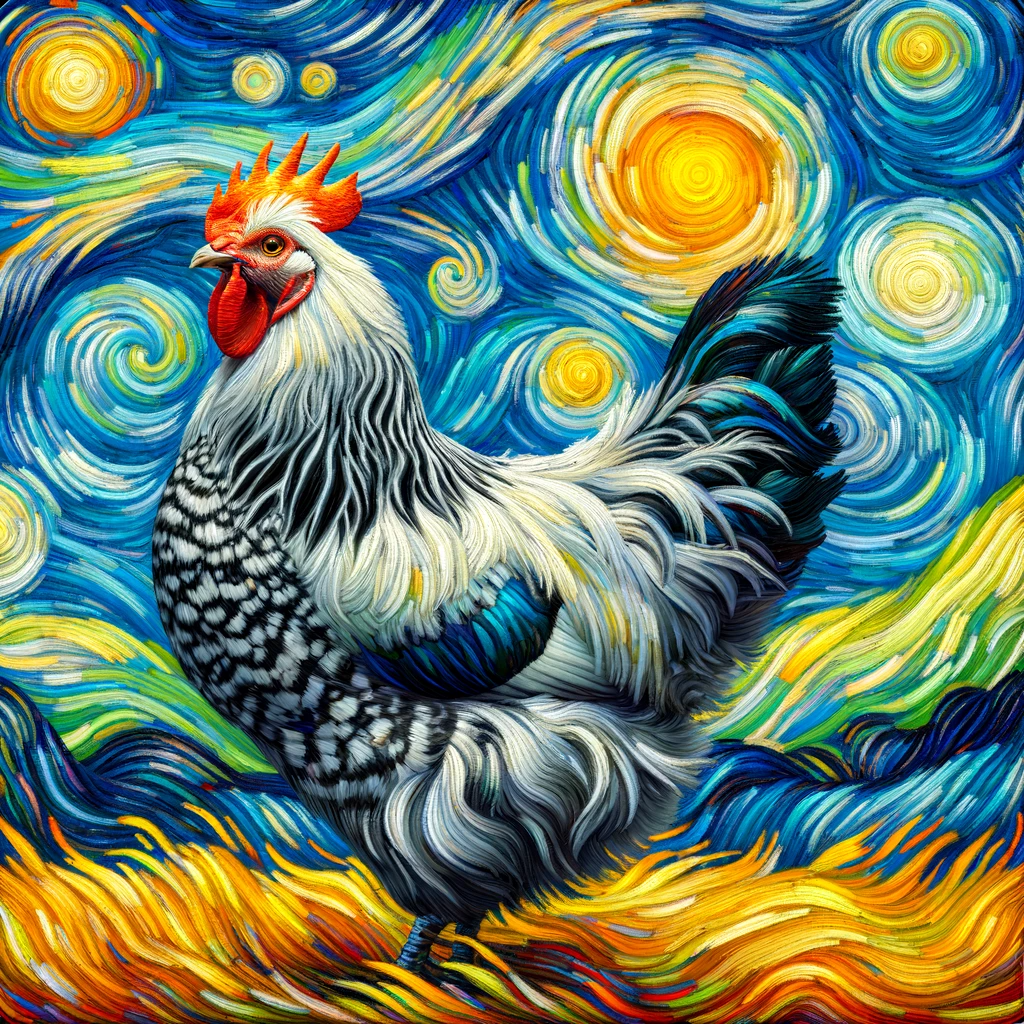
How Can The Connections Between Feathers And Flowers Guide Our Values?
How Can The Connections Between Feathers And Flowers Guide Our Values?
- We often overlook the beauty in our surroundings, missing out on small miracles that connect us to nature.
- Feathers of chickens and blooms of flowers symbolize resilience, grace, and harmony in our lives.
- Chickens remind us of the importance of nurturing relationships with both our community and the environment.
- Flowers illustrate the beauty that can thrive amidst adversity and the significance of caring for the world.
- The interdependence of flowers and pollinators teaches us the value of community and collaboration.
- A child planting seeds with chickens symbolizes stewardship and responsibility for future generations.
- Nurturing chickens and flowers promotes sustainability and mindfulness, encouraging appreciation of local ecosystems.

How Can The Connections Between Feathers And Flowers Guide Our Values?
Conclusion
In a world dominated by the rush of daily life, we often overlook the poignant stories that bloom in our backyards, where feathers and flowers create a symphony of existence. Imagine stepping outside, greeted by the clucking of chickens and the vibrant colors of flowers swaying in the breeze. This simplicity embodies a profound truth: the interconnectedness of life. Raising backyard chickens is more than a hobby; it’s a powerful act of resilience and self-sufficiency that can reconnect us to our roots and purpose. Each time we nurture these creatures, we engage in a ritual that grounds us in the present—a serene antidote to the chaos that surrounds us.
From an ethical standpoint, tending to chickens prompts a reevaluation of our relationship with food. It transforms us from passive consumers into stewards of the land, advocating for a sustainable future. By embracing this responsibility, we join generations before us who understood the harmony between humanity and nature, ensuring that our choices resonate through time. Just as flowers bloom in response to care, our actions foster community, nurturing relationships that fortify our social fabric.
As we embark on this journey of connection, we recognize the emotional depth of our actions. The joy of gathering fresh eggs or witnessing the beauty of blossoms can rejuvenate our spirits and inspire a dialogue about stewardship. We are reminded that our choices matter, from the ethical sourcing of goods to the expanded meaning behind a simple bouquet. It’s not merely about aesthetics; it’s about encountering nature as part of a collective journey—a legacy of love, respect, and responsibility handed down through generations.
Moreover, the tales of feathers and flowers are invitations to examine not just our lineage but our future. Each act of gardening or raising chickens is a conscious step toward fostering a sustainable existence for future generations. This connection ignites passion for the natural world and highlights the essential truths about our current challenges, like climate change and habitat destruction. By nurturing our ecosystems, we articulate a vision that prioritizes integrity over convenience, encouraging others to partake in this mindful relationship with nature.
So, let’s heed the call of our backyards. Each cluck, each petal, carries a message worth embracing. Take a step outside, engage with the earth, and allow the harmony of feathers and flowers to lead you back to what truly matters—our shared commitment to love, nurture, and protect the delicate balance we all depend on. This is our moment to cultivate beauty not just in our yards, but within our hearts and communities, ensuring a vibrant planet for generations to come.

Conclusion
Conclusion:
- The stories in our backyards, filled with feathers and flowers, reflect the interconnectedness of life.
- Raising backyard chickens fosters resilience and self-sufficiency while grounding us in the present.
- Tending to chickens transforms us from consumers to stewards of the land, promoting sustainability.
- Our actions in nurturing chickens and plants strengthen community bonds and the social fabric.
- The joy of fresh eggs and blooming flowers inspires dialogue about stewardship and responsible choices.
- Engaging with nature offers a path toward sustainability, addressing future challenges like climate change.
- Embracing our backyards allows us to cultivate beauty within ourselves and our communities for future generations.

Conclusion
Other Resources

Other Resources
Here is a list of other resources you can review online to learn more:
- Thread Worms
- grains
- citrus fruit
- Erysipelas
- bobcats
- Altsteirer
- spinach
- Egyptian Fayoumi
- Sinusitis
- Dutch Bantam
- cottage cheese
- crickets
- mediterranean breed
- Black Sex Link
- snakes
- game bird feed
Use This Prompt To Get More Resources With Your Favorite Online AI Tool: Please provide me with a list of online articles with their URLs in a bulleted list that I can read regarding The Harmony Of Feathers and Flowers – Lessons From the Past
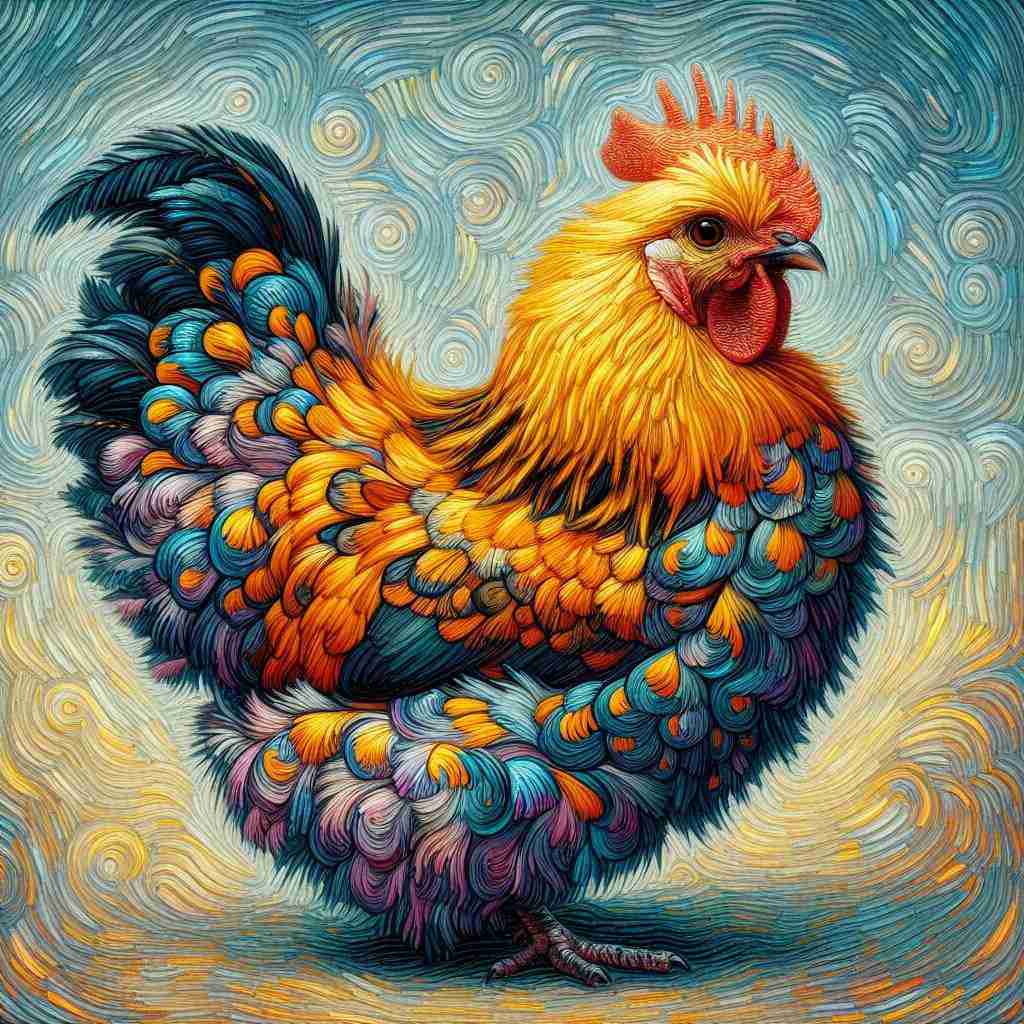
Other Resources
Glossary Terms
The Harmony Of Feathers and Flowers – Lessons From the Past – Glossary Of Terms
1. Aesthetics: The study of beauty and artistic principles, often reflected in nature’s designs, such as feathers and flowers.
2. Biodiversity: The variety of life in a particular habitat or ecosystem, which includes species of birds and plants.
3. Camouflage: A survival strategy where colors and patterns of feathers or flowers help organisms blend into their surroundings.
4. Co-evolution: The process by which two or more species influence each other’s evolution, such as birds and flowering plants.
5. Cultural Symbolism: The meanings ascribed to feathers and flowers in various cultures, often representing ideas like love or freedom.
6. Ecosystem: A biological community interacting with its environment, where flora and fauna play critical roles.
7. Endemic Species: Plants or animals that are native to a specific location and not found elsewhere, emphasizing local biodiversity.
8. Ephemeral: Referring to life cycles of flowers that are short-lived, emphasizing the transient beauty in nature.
9. Feathers: The unique structures that cover the bodies of birds, serving functions like warmth, flight, and display.
10. Floral Arrangement: The art of organizing flowers in a design, often used to convey feelings or messages.
11. Foliage: The leaves or branches of a plant, contributing to the overall aesthetics of gardens and natural landscapes.
12. Interdependence: The reliance of different species on each other for survival, such as pollinators and flowering plants.
13. Morphology: The study of the structure and form of organisms, applied to analyze the shapes of petals and feathers.
14. Natural Selection: A process where organisms better adapted to their environment tend to survive and reproduce, influencing species diversity.
15. Pollination: The transfer of pollen from male to female parts of flowers, crucial for reproduction in flowering plants.
16. Seasonality: The variation of biological phenomena throughout the seasons, affecting flower blooming and feather molting.
17. Symbiosis: A close ecological relationship between species, such as bees and flowers or birds and their nesting materials.
18. Texture: The surface quality of feathers and flowers, affecting aesthetic appeal and tactile experiences in nature.
19. Tropism: The growth or movement of plants in response to environmental factors, such as light or gravity.
20. Vibrancy: The quality of colors being bright and intense, often found in both feathers and flower petals.
21. Wildlife Conservation: The practice of protecting endangered species and their habitats, including birds and flowering plants.
22. Inspiration: The stimulation of creative thought, often derived from the beauty found in nature’s combinations of feathers and flowers.
23. Symbolism of Color: The meanings associated with different colors in flowers and feathers, influencing cultural interpretations.
24. Genetics: The study of heredity and variation in organisms, which affects traits in both feathers and flowers.
25. Photosynthesis: The process by which plants convert sunlight into energy, fundamental for their growth and reproduction.
26. Habitat: The natural environment in which a species lives, providing necessary resources for plants and animals.
27. Phenology: The study of cyclic events in seasonal changes, highlighting how birds and flowers respond to climate variations.
28. Sustainability: The practice of maintaining ecological balance, promoting the coexistence of plants and animals for future generations.
29. Artistry: The creative expression in forming arrangements of flowers or displaying feathers, reflecting human appreciation for nature.
30. Heritage: The traditions and practices passed down through generations, often influencing how cultures celebrate nature’s beauty.
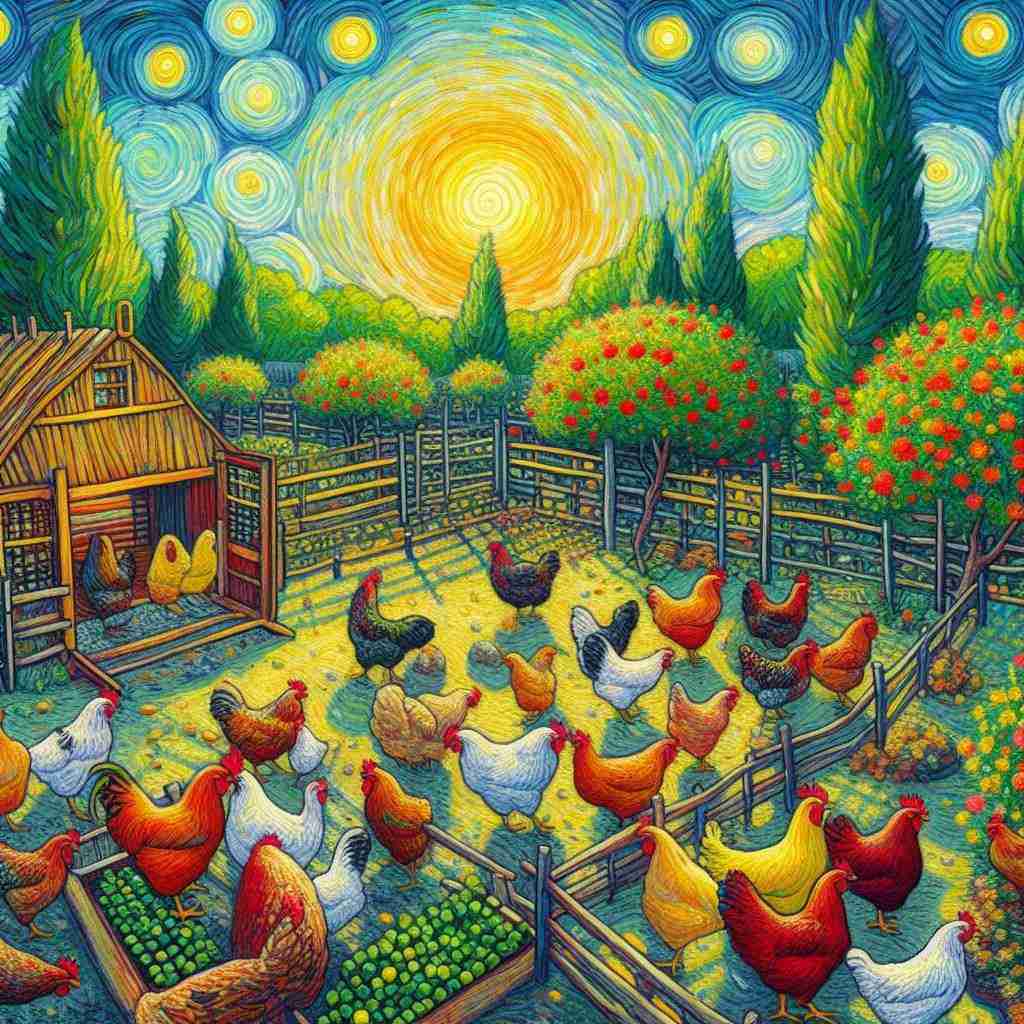
Glossary Of Terms
Other Questions
The Harmony Of Feathers and Flowers – Lessons From the Past – Other Questions
If you wish to explore and discover more, consider looking for answers to these questions:
- What are the benefits of raising backyard chickens beyond providing eggs?
- How can someone start their own backyard chicken farm?
- What are the different types of flowers that thrive alongside chickens?
- What historical significance do chickens and flowers have in various cultures?
- How can one ethically source flowers or materials from their garden?
- How do backyard chickens contribute to sustainable living practices?
- What rituals or routines can be established while caring for chickens and flowers?
- How can community engagement be fostered through raising chickens and gardening?
- What emotional benefits do people gain from nurturing animals and plants?
- How can individuals balance modern living with sustainable practices in their gardens?
- How do experiential learning opportunities with nature impact children’s development?
- What role do local ecosystems play in community health and well-being?
- How can one encourage others to appreciate local flora and fauna?
- What are some successful examples of community gardens that incorporate chickens?
- How can gardening and chicken-keeping be used as educational tools?

Other Questions
Haiku
The Harmony Of Feathers and Flowers – Lessons From the Past – A Haiku
Feathers grace the ground,
Flowers bloom in gentle light,
Life’s song, shared and bright.

Haiku
Poem
The Harmony Of Feathers and Flowers – Lessons From the Past – A Poem
In the backyard, life unfolds,
With feathers bright and blooms of gold.
Chickens cluck, their tales intertwine,
A dance of purpose, old and divine.
In the quiet morning glow,
They gift us rituals as we sow,
Nurturing life, we find our place,
In nature’s rhythm, a warm embrace.
With every egg, resilience speaks,
From earth’s soft soil, the heart learns to seek.
We are not merely consumers, you see,
But stewards of land, in harmony.
Each flower whispers wisdom profound,
A call to cherish, to stand our ground.
Their vibrant petals remind us to care,
For the cycles of life, fragile and rare.
Ethical sourcing, a noble creed,
In every action, let love be our lead.
As roots dig deep, connections grow wide,
In community’s embrace, let us abide.
History wraps in the wings of birds,
A narrative tethered in whispers and words.
The joy of our labor, the stories we tell,
Bridging the past, where we all dwell.
So step outside, let your spirit roam,
In the flutter of wings, find your home.
Together we rise, through struggle and cheer,
For in feathers and flowers, life’s essence is clear.
Let’s cultivate bonds, let compassion ignite,
In the dance of nature, find what feels right.
In each humble corner, a legacy glows—
A tapestry woven, where love freely flows.

Poem
Checklist
The Harmony Of Feathers and Flowers – Lessons From the Past – A Checklist
Emotional, Rational, Ethical, Authority, Narrative, and Social Checklist
Heartfelt Connection
_____ Emotional Reflection: Spend a moment in your backyard observing the interactions between chickens and flowers. How does this scene evoke feelings of joy or nostalgia?
_____ Story Sharing: Share a personal experience related to nature, such as a favorite memory of gardening or caring for animals, with friends or family.
Rational Engagement
_____ Practical Benefits: List the benefits of raising backyard chickens or cultivating flowers, such as improved mental well-being, fresh eggs, and homegrown produce.
_____ Ethical Sourcing: Make a commitment to purchase locally sourced or sustainably produced food products at least once a week.
Ethical Mindset
_____ Stewardship Pledge: Write down your personal goals for responsible environmental stewardship, whether that’s starting a compost pile, planting native species, or reducing waste.
_____ Community Involvement: Serve in a local environmental initiative or volunteer for a community garden program to deepen your understanding of sustainable practices.
Authority and Knowledge
_____ Research and Learn: Dedicate time to read a book or attend a workshop on sustainable gardening or animal husbandry to expand your knowledge.
_____ Expert Connections: Follow environmentalists or local farmers on social media to stay informed and inspired by their practices and insights.
Narrative and Legacy
_____ Legacy Planning: Discuss with family what legacy you want to leave regarding environmental stewardship. What practices can you pass down to future generations?
_____ Document Experiences: Start a journal documenting your gardening or farming experiences—note lessons learned, challenges faced, and successes celebrated.
Social Engagement
_____ Community Sharing: Host a gathering with friends or neighbors to share gardening tips, exchangewith seed swaps, or trade homegrown produce.
_____ Online Engagement: Join a local online group or forum focused on sustainable practices, where you can connect with others who share your interests in gardening and animal care.
By following this checklist, you can actively cultivate a deeper connection with nature and positively impact your community while honoring shared histories and sustainability values.

Checklist
At BackyardChickenNews, we help people who want to raise backyard chickens by collating information and news blended with our own personal experiences.
Be sure to read our other related stories at BackyardChickenNews to learn more about raising chickens in your backyard.