

Sustainable Style: Cultivating Eco-Friendly Diversity
By Tom Seest
At BackyardChickenNews, we help people who want to raise backyard chickens by collating information and news blended with our own personal experiences.
Be sure to read our other related stories at BackyardChickenNews to learn more about raising chickens in your backyard.
Eco-Chic Chickens – When Design Meets Biodiversity
Imagine stepping into your backyard, greeted by a symphony of clucks and the gentle rustle of feathers. Picture those charming backyard chickens strutting around, each one a feathered ambassador of ecological balance and sustainable living. When it comes to Eco-Chic Chickens, we aren’t just talking about cute coops and fresh eggs—this is about reconnecting with nature and reclaiming our food systems, all while adding a sprinkle of flair to your outdoor space.
These delightful creatures can transform an ordinary patch of grass into a vibrant ecosystem. Chickens are nature’s natural recyclers, tirelessly working to keep pests at bay while providing nutrient-rich fertilizer for your garden—all without the need for chemical pesticides or herbicides. It’s not just a win for the environment; it’s a win for your health, too. What could be more satisfying than knowing your dinner plate is filled with food grown in harmony with the land and nurtured by your hard work? You’ll eat better, feel better, and know that your choices are making a difference.
But let’s hit pause for a moment—what if we truly embraced the responsibility that comes with keeping backyard chickens? This is where ethics take center stage. By choosing to care for these animals, we’re not simply adding a couple of pets to our lives; we’re participating in a narrative that values biodiversity, promotes humane practices, and fosters a local food economy. Think about it—supporting small-scale, sustainable farming is a choice that echoes through our communities. Every egg you collect is a statement, a commitment to a more thoughtful, interconnected way of living.
And let’s not overlook the social aspect. Beyond the eggs and garden enhancements, chickens encourage connection. Neighbors will be curious, friends will come over, and soon enough, you’ll be part of a community that’s talking about rotation schedules and chicken feed, rather than just the weather. It’s a pull towards kinship, where the joy of sharing stories of your clucking companions can turn into collaborative gardening projects or egg exchanges.
So as you contemplate your backyard chicken journey, embrace the idea that this is more than just a trend. It’s a step towards nurturing a verdant haven right outside your door. It’s Eco-Chic Chickens—where design meets biodiversity in the most beautiful, practical way imaginable.

Eco-Chic Chickens – When Design Meets Biodiversity
Eco-Chic Chickens – When Design Meets Biodiversity
- Backyard chickens enhance the home environment with sounds and movement, contributing to ecological balance.
- Chickens act as natural recyclers, eliminating pests and fertilizing gardens without chemical inputs, promoting health and sustainability.
- Caring for chickens allows for a more hands-on approach to food systems, resulting in better food quality and satisfaction.
- Owning chickens promotes biodiversity, humane practices, and supports local food economies.
- Each egg collected symbolizes a commitment to sustainable living and community engagement.
- Chickens foster social interactions, fostering a sense of community among neighbors and friends.
- The backyard chicken experience is a meaningful journey towards sustainability and a beautiful blend of design and biodiversity.

Eco-Chic Chickens – When Design Meets Biodiversity
Table Of Contents
- Eco-Chic Chickens – When Design Meets Biodiversity
- What Makes You Feel Connected to the Natural World Around You?
- How Do Design Choices Affect the Ecosystems We Rely On?
- Why Should We Care About Biodiversity In Urban Spaces?
- What Role Do Chickens Play In Sustainable Landscaping Practices?
- How Can Ethical Farming Contribute to Community Resilience?
- What Stories Do Your Chickens Tell About Your Lifestyle Choices?
- How Does Growing Your Own Food Impact Your Health and Well-Being?
- Conclusion
- Other Resources
- Glossary Of Terms
- Other Questions
- Haiku
- Poem
- Checklist
What Makes You Feel Connected to the Natural World Around You?
Take a moment to consider the simple act of raising backyard chickens. It’s more than just a unique hobby; it’s a profound link to the cycle of life that circumvents the sterile walls of urban living. Think about it—what does it really mean to mindfully nurture these feathery companions? It starts with the daily ritual of feeding them. That initial cluck of excitement in the morning; it’s not just noise; it’s a reminder that our lives have become intertwined with another species.
On an emotional level, the connection deepens when you witness those baby chicks hatching under the warmth of their mother. It evokes an instinctual feeling of wonder, a tangible reminder of renewal and growth. This bond doesn’t appear in flashy moments; it’s built through quiet afternoons spent in the company of your flock. Every scratch in the dirt, each peck for food—a subtle dance that draws you closer to the rhythms of nature.
Now let’s engage the rational mind. Scientists have shown that spending time in nature can reduce stress and enhance mental well-being. Simply observing your chickens can cultivate mindfulness, offering an escape from the noise of daily life. You realize that these creatures are not just ornaments in your backyard; they’re a vital part of a larger ecosystem. They contribute to sustainable living, providing fertilizer for your garden and fresh eggs for your family. Each egg symbolizes not just nourishment but a relic of your commitment to a self-sufficient lifestyle.
Ethically, by keeping chickens, you take a stand for animal welfare, advocating against the industrial food systems that often neglect the needs of our feathered friends. You become a steward of their care, ensuring they live enriched lives filled with sunshine and open space—far removed from the grim conditions oftentimes found in commercial farming.
Sharing this journey with friends and family amplifies the connection. Gather around the coop and revel in the collective laughter as you watch them chase insects. It fosters community—and the stories, the shared moments—these are where genuine bonds are forged.
So, if your heart calls, your head nods, and your gut rumbles for connection, consider stepping into the world of backyard chickens. It’s more than just a pastime; it’s a step towards embracing life itself—where every cluck tells a story, and every egg is a return to our roots.

What Makes You Feel Connected to the Natural World Around You?
What Makes You Feel Connected to the Natural World Around You?
- Raising backyard chickens is a unique hobby that connects to the natural cycle of life.
- The act of feeding chickens creates a daily ritual that intertwines human lives with another species.
- The experience evokes feelings of wonder and renewal, especially when witnessing baby chicks hatching.
- Time spent with chickens offers mental health benefits, reducing stress and enhancing mindfulness.
- Chickens contribute to sustainable living by providing fertilizer for gardens and fresh eggs for families.
- Keeping chickens promotes animal welfare and challenges industrial food systems by ensuring proper care.
- Sharing the experience with friends and family fosters community and strengthens bonds through collective moments.

What Makes You Feel Connected to the Natural World Around You?
How Do Design Choices Affect the Ecosystems We Rely On?
When we think about the choices we make in design, it’s easy to overlook the far-reaching impacts these decisions have on our ecosystems—those intricate webs of life that sustain us in ways we might take for granted. Picture your backyard. What if those chubby little chickens pecking around the yard weren’t just a quirky hobby, but a critical piece of a larger puzzle? They turn kitchen scraps into nutrient-rich compost, help control pests, and provide fresh eggs—all while giving you a reason to come outside and connect with the earth. Suddenly, those playful clucks resonate with something deeper.
Designing our homes and communities can enhance—or hinder—the natural systems surrounding us. Have you ever stopped to consider how your choice of landscaping can impact local wildlife? A beautifully manicured lawn, while visually appealing, often offers little habitat for native species. On the flip side, a garden teeming with diverse plants can encourage bees, butterflies, and birds to thrive, filling our yards with life and color. This isn’t just about aesthetics; it’s about creating spaces that nourish both our souls and the environment.
It’s crucial to acknowledge that every brick we lay, every tree we plant, is part of a narrative that reflects our values. By opting for sustainable materials or integrating green spaces into urban developments, we make a statement that resonates with our community—one rooted in stewardship and responsibility. These choices bridge the gap between humans and nature, helping us rekindle our connection to the world around us.
But let’s be real: many folks feel overwhelmed by the enormity of this task. It’s easy to think, “What can my small decisions really do?” That’s where community comes into play. When we band together, advocating for greener practices, we amplify our voices. Imagine your neighborhood rallying to turn an abandoned lot into a community garden—bringing people together, fostering friendships, and reclaiming a small slice of nature.
Ultimately, our design choices reflect who we are and what we stand for. They carve a path toward a sustainable future, demonstrating that caring for our planet isn’t just a lofty ideal; it can be a fulfilling, everyday reality. So next time you consider your surroundings, remember: every decision matters, and the smallest changes can ripple outward. Embrace the challenge and watch how your backyard chickens—and your community—can thrive.

How Do Design Choices Affect the Ecosystems We Rely On?
How Do Design Choices Affect the Ecosystems We Rely On?
- Design choices significantly impact local ecosystems and the intricate webs of life that sustain us.
- Backyard chickens can transform kitchen scraps into compost, control pests, and provide fresh eggs, fostering a deeper connection to nature.
- Landscaping choices influence local wildlife; a diverse garden encourages native species, unlike a manicured lawn.
- Every design element, from bricks to trees, reflects our values and impacts the environment.
- Choosing sustainable materials and green spaces promotes stewardship and responsibility in our communities.
- Community efforts amplify individual actions; collective advocacy can transform spaces like abandoned lots into gardens.
- Our design decisions shape a sustainable future, showing that caring for the planet can be an everyday reality.
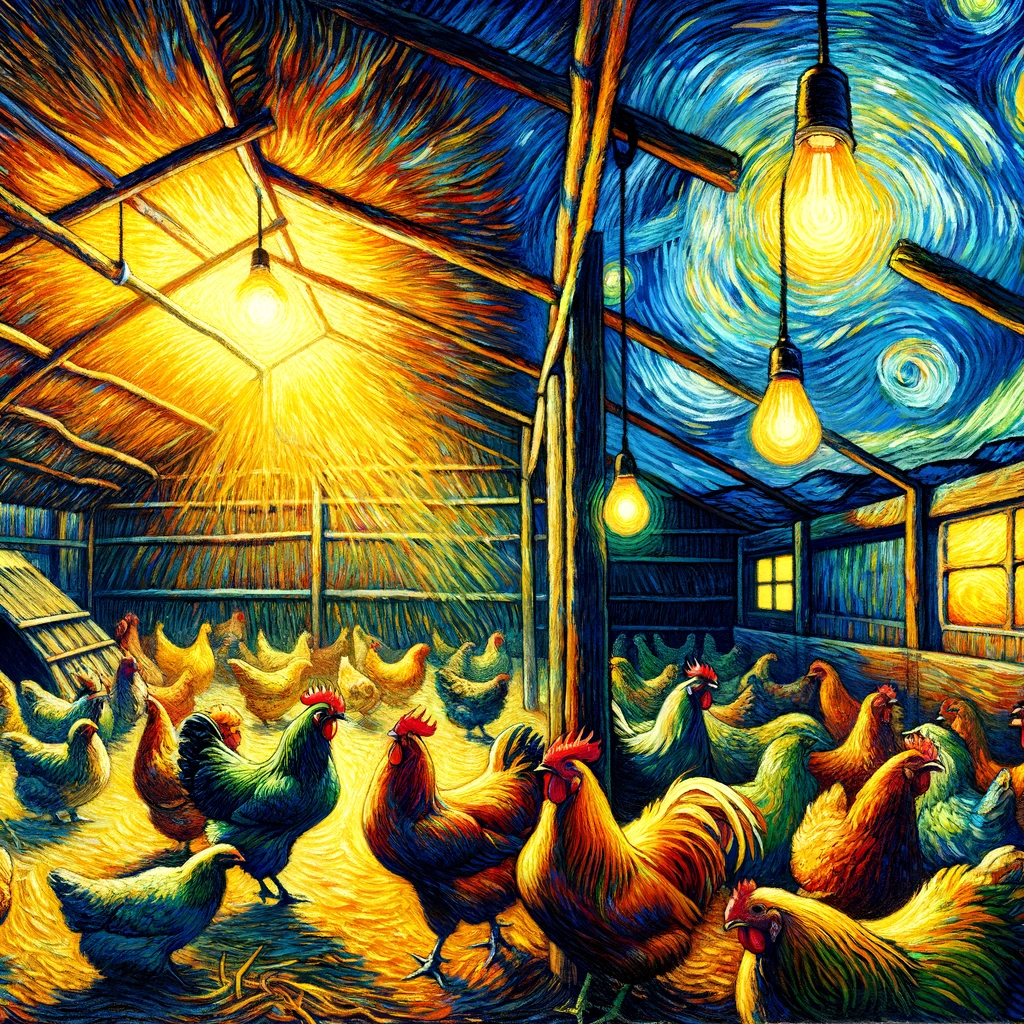
How Do Design Choices Affect the Ecosystems We Rely On?
Why Should We Care About Biodiversity In Urban Spaces?
When was the last time you stopped to admire a flower pushing its way through a crack in the sidewalk? Or noticed a bird’s song amidst the clamor of car horns? Biodiversity in urban spaces isn’t just a pretty picture—it’s the lifeblood of our communities, and here’s why we should all be paying attention.
Picture this: a bustling city with towering buildings and concrete expanses. Now imagine vibrant gardens, butterflies dancing, and yes, even the sound of chickens clucking in backyard coops. Now, why would someone go to the trouble of raising Backyard Chickens among the asphalt and steel? Because these little creatures remind us that life, in all its forms, has a place in our urban jungle. They enhance our connection to nature. They provide fresh eggs, sure, but they also offer us a chance to witness the cycle of life firsthand, even in the heart of the city.
Rationally, biodiversity contributes to our well-being. Research shows that green spaces and urban wildlife increase our mental health and overall quality of life. The air we breathe is cleaner when nature is in the mix, and urban biodiversity provides crucial ecosystem services, from pollination to pest control. If we can cultivate habitats that support a wide range of species right in our backyards, we’re not only beautifying our surroundings but fortifying our health.
Ethically, we owe it to future generations to preserve and enrich the natural world around us. Cities are growing, and as we expand, we risk closing the door on the connections that bind us to nature. By nurturing biodiversity, we heal a rift between humanity and the environment, fostering respect for all living things.
Imagine walking through neighborhoods where each block tells a different story through its unique flora and fauna. It’s not merely about aesthetics—it’s about belonging. A community nourished by the presence of diverse life forms is one where people engage with each other, fostering connections that go beyond the superficial.
So let’s roll up our sleeves and get our hands dirty. It’s time to champion the wild within the city. Whether it’s planting a tree, starting a community garden, or even keeping a few Backyard Chickens, every small step leads to a thriving ecosystem. Together, let’s create urban spaces that are not just livable but bursting with life—spaces that inspire and invite us to care.

Why Should We Care About Biodiversity In Urban Spaces?
Why Should We Care About Biodiversity In Urban Spaces?
- Biodiversity in urban spaces enhances community well-being and connection to nature.
- Raising Backyard Chickens exemplifies urban biodiversity and its benefits.
- Green spaces and urban wildlife improve mental health and overall quality of life.
- Urban biodiversity provides essential ecosystem services, such as pollination and pest control.
- We have an ethical responsibility to preserve nature for future generations.
- Diverse urban ecosystems foster deeper community connections and a sense of belonging.
- Small actions, like planting trees and starting gardens, contribute to thriving urban ecosystems.

Why Should We Care About Biodiversity In Urban Spaces?
What Role Do Chickens Play In Sustainable Landscaping Practices?
Chickens aren’t just a source of fresh eggs; they’re an essential gear in the machine of sustainable landscaping. Imagine stepping into your yard and seeing these feathery critters clucking around as they transform your patch of earth into an eco-friendly paradise. Backyard chickens bring more than just charm; they offer tangible benefits that tickle the heart, stimulate the mind, and engage the gut.
Let’s start with the emotional appeal. Picture a morning spent in your garden, where chickens roam freely, scratching at the soil, searching for insects, and providing a rhythmic soundtrack of content clucks. Their joyful presence not only nurtures the soil but nurtures your spirit. There’s something refreshing about watching them work—a reminder that nature has its own way of balancing itself.
Now, let’s get rational. Those same chickens are biological rototillers, turning over garden debris, aerating the soil, and combating pests that threaten your prized plants. In doing so, they reduce the need for chemical pesticides, making your landscaping efforts healthier and more organic. By integrating chickens into your landscape, you’re not just improving your garden; you’re making a statement about sustainable living and environmental stewardship.
Ethically speaking, raising backyard chickens is a commitment to better farming practices. When you embrace these feathery friends, you’re supporting a return to local food systems and reducing your carbon footprint. It’s about fostering connections not just with the land, but with a community that values responsible consumption. It’s a lifestyle that speaks to our innate desire for authenticity in an increasingly plastic world.
Then there’s the authority angle. Experts in sustainable agriculture tout the advantages of chickens, recognizing their role in sustainable ecosystems. Getting firsthand experience with these birds gives you credibility among fellow gardeners and nature enthusiasts. You become part of a movement, sharing knowledge and inspiring others to see the beauty and benefits of sustainable practices.
And let’s not forget the social interaction. From sharing eggs with neighbors to swapping tips on care and feeding, backyard chickens invite community. They serve as a bridge, connecting you with like-minded individuals who share your passion for sustainability.
Incorporating chickens into your landscaping isn’t just a choice; it’s a commitment to a brighter, greener future—one cluck at a time. Whether you’re a seasoned gardener or a newcomer, consider this an invitation to experience the joy and impact of backyard chickens in your sustainable landscaping efforts. Trust in their ability to enhance not just your soil but your entire lifestyle.
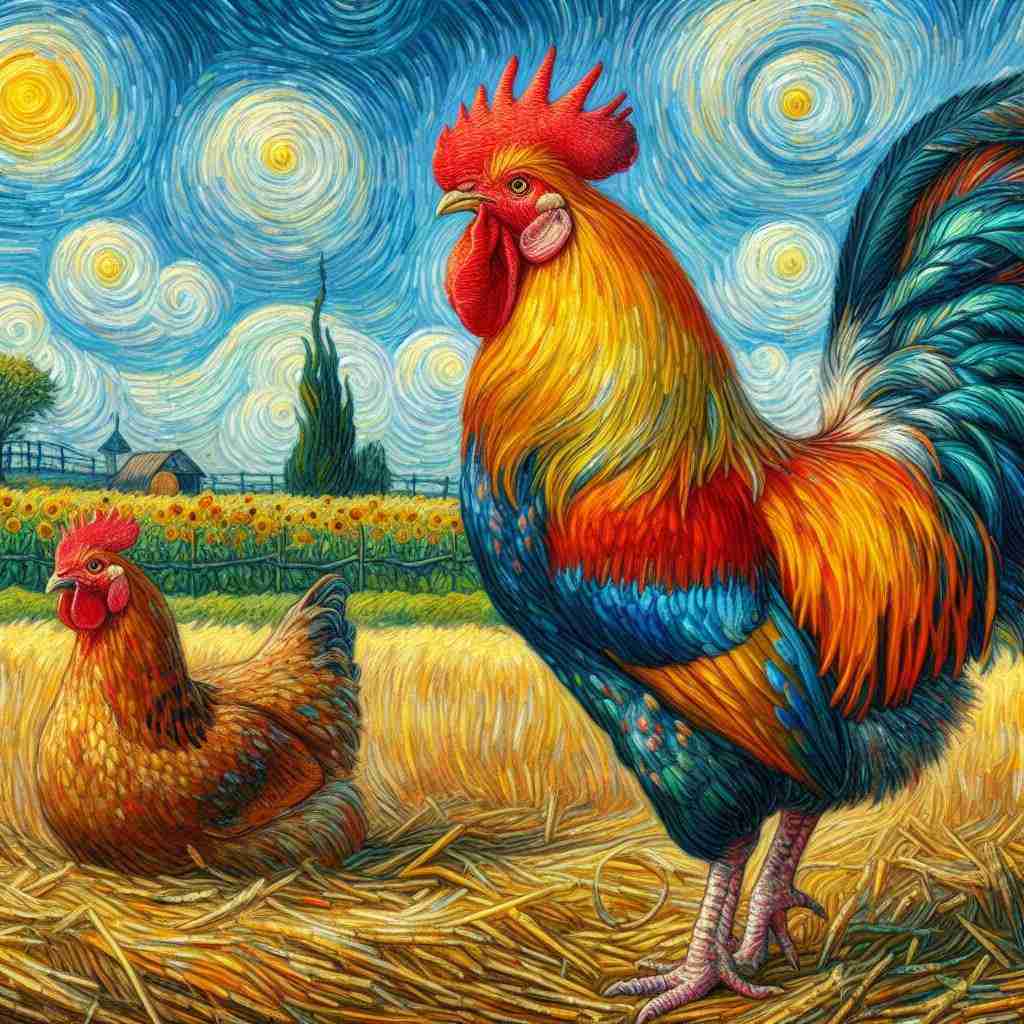
What Role Do Chickens Play In Sustainable Landscaping Practices?
What Role Do Chickens Play In Sustainable Landscaping Practices?
- Chickens serve as essential contributors to sustainable landscaping, providing more than just fresh eggs.
- Their presence in the garden boosts emotional well-being, reminding us of nature’s inherent balance.
- Chickens act as natural rototillers, improving soil health and reducing the need for chemical pesticides.
- Raising chickens supports local food systems and ethical farming practices, promoting environmental stewardship.
- Involvement with chickens fosters community connections and encourages responsible consumption.
- Experts in sustainable agriculture recognize the advantages of chickens, enhancing credibility among gardeners.
- Incorporating chickens into your landscape is a commitment to sustainability and a greener future.

What Role Do Chickens Play In Sustainable Landscaping Practices?
How Can Ethical Farming Contribute to Community Resilience?
When we think about farming, we often picture sprawling fields or bustling markets, but true resilience starts right in our own backyards. Consider the humble backyard chickens. These feathered friends are more than just a source of fresh eggs; they’re a symbol of self-sufficiency and community connection. Imagine stepping outside your door to greet them each morning, knowing you’re participating in something bigger than yourself. You’re collaborating with nature, learning to rely on your immediate resources, and contributing to the web of your local ecosystem.
Ethical farming practices don’t just feed families; they fortify communities. When we choose to support local farmers or cultivate our own gardens, we help create a system that’s rich in diversity and sustainability. This isn’t just about the food; it’s about building trust. Relationships formed between growers and consumers create a safety net that stretches far beyond the market. As people share their knowledge, from composting to crop rotation, they also foster a culture of cooperation and resilience.
Picture a neighborhood where families exchange surplus tomatoes and homemade jams; where children learn the cycle of growth with their hands in the soil. You can feel the heartbeat of the community here. This is ethical farming at its finest—rooted in cooperation, respect for the land, and an understanding that we are all interconnected.
Now, let’s talk about the impact this has on our mental and emotional well-being. Connection to local food sources can ground us during tumultuous times and remind us of what truly nourishes us. As we engage in ethical practices, we encourage healthier lifestyles and less reliance on industrial agriculture that often compromises ethical standards.
And let’s not overlook the narrative of resilience. Communities that embrace ethical farming practices are often more nimble in the face of challenges, be it economic fluctuations or environmental crises. When the storms hit—be it literal or metaphorical—those relationships built on trust, shared knowledge, and mutual support become lifelines.
In participating in this movement, not only do we stand up for our beliefs, but we also inspire future generations to take action. Community resilience isn’t just a lofty ideal; it’s a daily practice that begins right at home. When we share our journeys—our successes and struggles—we strengthen the fabric of our society, reminding each other that, together, we can weather any storm.

How Can Ethical Farming Contribute to Community Resilience?
How Can Ethical Farming Contribute to Community Resilience?
- Backyard chickens symbolize self-sufficiency and community connection.
- Supporting local farmers and cultivating gardens promotes diversity and sustainability.
- Relationships between growers and consumers create trust and a safety net.
- Communities where families exchange food foster cooperation and resilience.
- Connection to local food sources enhances mental and emotional well-being.
- Communities practicing ethical farming are better equipped to handle challenges.
- Sharing experiences in ethical practices inspires future generations and strengthens societal fabric.

How Can Ethical Farming Contribute to Community Resilience?
What Stories Do Your Chickens Tell About Your Lifestyle Choices?
What stories do your chickens tell about your lifestyle choices? If you’ve taken the plunge into raising backyard chickens, those clucking companions are more than a source of fresh eggs—they’re a reflection of your values, your habits, and your sense of purpose. Each chicken has its own personality, but collectively, they tell a profound narrative about what matters to you, as well as the world you wish to create.
Imagine standing in your yard, sunlight filtering through the trees, watching your hens scratch and peck. It’s not just leisure; it’s your declaration of self-sufficiency. You’re making a conscious choice to engage with your food source, a choice that resonates on multiple levels. You’re not just saving a few bucks at the grocery store; your actions echo a commitment to sustainability and environmentally friendly practices. You’re opting out of the industrial food chain in favor of a more personalized experience, and those chickens are the living proof of that decision.
They symbolize your ethical commitment to animal welfare. It’s one thing to read about the conditions of factory farms; it’s another to feel the warmth of a hen nestled in your hand or to watch her flourish in the open air. Each egg you collect is a testament to a life led with purpose and care. You are not merely sustaining yourself—you are nurturing a living ecosystem.
But let’s talk practicality. Raising backyard chickens can seem like a daunting endeavor, yet it’s empowering. The learning curve is steep; you might stumble at first or even have days filled with doubt. But with each challenge, you grow, both as a keeper and as a person. You develop problem-solving skills, patience, and a deep appreciation for the simple things in life.
Moreover, consider the social aspects. When you raise chickens, you connect with neighbors, friends, and online communities who share in your fascination. Those conversations extend beyond the coop and into the lives of others, fostering bonds that link your choices to a larger community.
So, what stories do your chickens tell? They share your journey—one of heart, ethics, and everyday adventure. They remind us all that in choosing to support a sustainable lifestyle, we also choose to build something bigger than ourselves. Every cluck echoes a choice, and every feathered friend represents a commitment to living intentionally. Your backyard may seem small, but within it lies a world of meaning waiting to be discovered.

What Stories Do Your Chickens Tell About Your Lifestyle Choices?
What Stories Do Your Chickens Tell About Your Lifestyle Choices?
- Raising backyard chickens reflects personal values, habits, and sense of purpose.
- Chickens symbolize self-sufficiency and conscious engagement with food sources.
- Chickens represent a commitment to sustainability and environmentally friendly practices.
- Raising chickens demonstrates ethical commitment to animal welfare and nurturing ecosystems.
- Challenges of chicken-keeping foster personal growth, patience, and problem-solving skills.
- Raising chickens creates connections with neighbors and fosters community engagement.
- Every chicken tells a story of intentional living and a commitment to sustainable lifestyles.

What Stories Do Your Chickens Tell About Your Lifestyle Choices?
How Does Growing Your Own Food Impact Your Health and Well-Being?
There’s a profound satisfaction that comes from watching your seeds sprout, from nurturing a garden born out of your own sweat and toil. The simple act of growing your own food transforms not just your meals, but your entire outlook on life. Imagine the first time you pluck a ripe tomato from the vine or collect fresh eggs from your backyard chickens. It’s not just food; it’s the tangible reward of hard work and patience, a moment of connection between you and the earth that can spark a deeper appreciation for everything that goes into your body.
Now, let’s talk health. When you grow your own food, you’re not just regaining control over what you eat—you’re setting a standard. There’s no mystery about pesticides or artificial additives; you know exactly what you’re putting on your plate. This transparency empowers you to make informed choices for your health, helping you to toss aside that pre-packaged nonsense and dive into vibrant, nutrient-rich produce. Eating your homegrown veggies and farm-fresh eggs not only nourishes your body but also fortifies your mind—creating a sense of purpose and accomplishment that can turn everyday stress into a mere footnote in your story.
On the ethical front, consider the impact of your choices. By opting to grow your own food, you’re actively reducing your carbon footprint and promoting sustainability. You’re standing up against the mega-industrial farming practices that prioritize profit over the planet’s health. That’s a powerful statement, one that echoes through your community and inspires others to follow suit. As you nurture this healthy lifestyle, you become a beacon for friends and neighbors, inviting them to share in your journey. Together, you can foster an environment where healthy eating and community support thrive.
Digging into the soil might seem like a small, unassuming act, but it carries weight. This is about taking back control and embracing a lifestyle that resonates with our values. It’s about community, connection, and compassion—for ourselves, our loved ones, and the planet. So, whether you’re starting with a small herb garden or dreaming of a keep-full supply of backyard chickens, remember: every plant you nurture and every egg you gather serves as a reminder that our health and our well-being are intrinsically linked to the earth we cultivate. Embrace that journey. Your garden awaits.

How Does Growing Your Own Food Impact Your Health and Well-Being?
How Does Growing Your Own Food Impact Your Health and Well-Being?
- Growing your own food provides profound satisfaction and a sense of accomplishment.
- Harvesting your own crops, like ripe tomatoes or fresh eggs, fosters a deep connection to the earth.
- Growing food allows for transparency regarding what is consumed, free from pesticides and additives.
- Eating homegrown produce enhances both physical nourishment and mental well-being.
- Growing food reduces your carbon footprint and promotes sustainable practices.
- This lifestyle choice inspires community engagement and encourages healthy eating.
- Nurturing a garden cultivates a connection to values, compassion, and the planet’s health.

How Does Growing Your Own Food Impact Your Health and Well-Being?
Conclusion
Backyard chickens are transforming our relationship with food and the environment, bringing a newfound sense of purpose and community right to our doorsteps. Picture this: you step outside, greeted by the gentle clucking of your feathery friends, each one a testament to a growing movement that emphasizes sustainability and biodiversity. These charming creatures are more than just quirks of a trendy lifestyle; they’re integral to creating a healthier planet and a more resilient community.
Chickens are nature’s recyclers, capable of managing pests and providing nutrient-rich fertilizer while eliminating the need for harmful chemicals. Imagine plucking fresh eggs from your coop, a reflection of hard work and commitment to a sustainable lifestyle. This act isn’t just about self-sufficiency; it’s a declaration of your values—resisting industrial farming practices that often prioritize profit over ethical treatment and ecological balance. Every egg gathered is not just a nutritious meal but a conversation starter, bridging connections among friends, neighbors, and local advocates for ethical practices.
Moreover, raising chickens fosters a connection to nature, transcending the sterile confines of urban life. It’s not just about the cluck of your flock; it’s a nurturing experience that invites mindfulness amid the chaos. Engaging with these animals daily reminds us of life’s cycles, cultivating gratitude for the sustenance they provide. The joy of witnessing these birds express their personalities encourages emotional well-being while grounding us in the present moment.
But let’s talk community. With every coop becomes an opportunity to connect—to share stories, tips, and even occasional eggs. Backyard chickens can spark conversations about sustainable living practices, engaging us in a narrative that reaches beyond our fenced yards. This connection bolsters our commitment to local ecosystems, inviting others to participate in this enriching journey toward recovery and restoration of our natural world.
At the end of the day, it’s more than just feeding ourselves. It’s about making a conscious choice to embrace life itself—creating backyard havens that contribute to a thriving, interconnected ecosystem. With every bit of thoughtful planning, every cluck from your flock adds to a more sustainable future, showcasing how our design choices can reflect a harmonious relationship with nature. So as you consider raising chickens, let your heart, head, and gut lead the way. This journey isn’t merely about chickens; it’s a call to rediscover our roots, nurture our communities, and reclaim the joy of living in sync with the world around us, one cluck at a time.
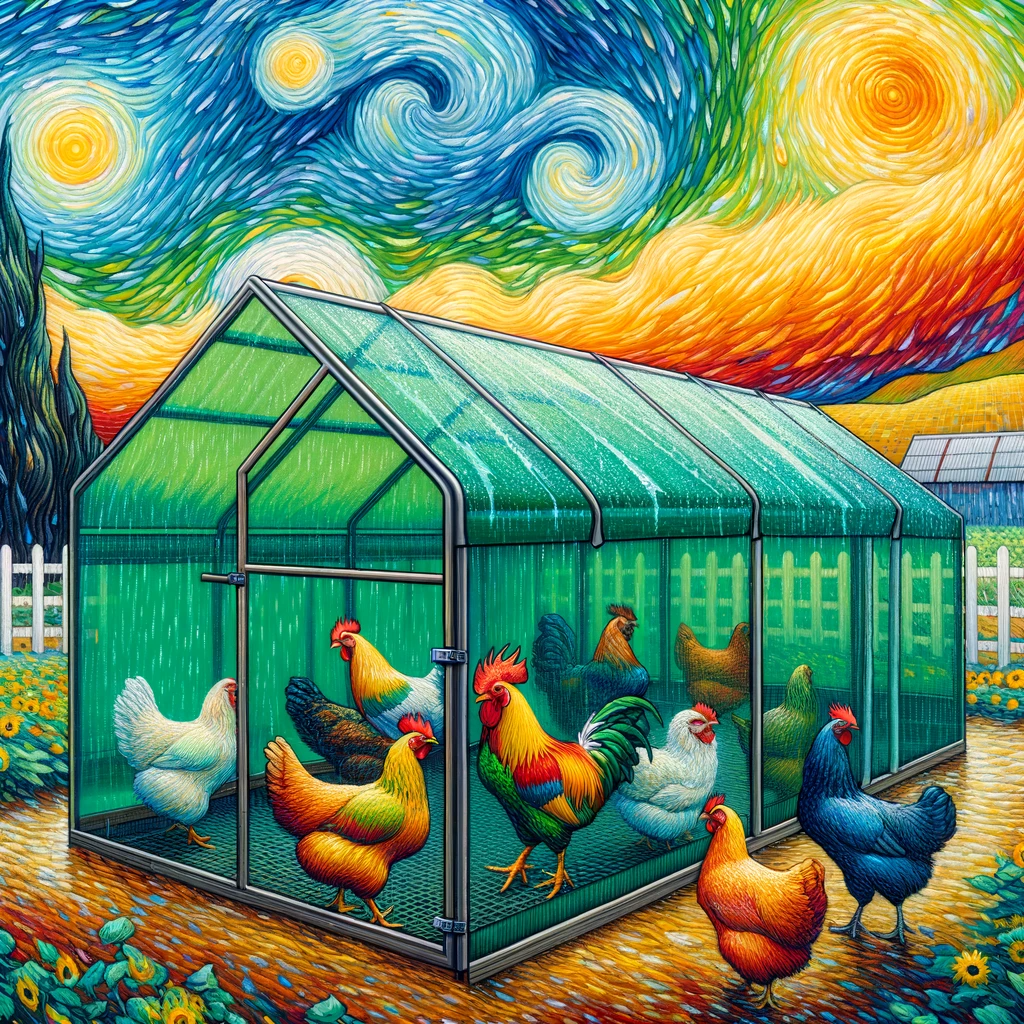
Conclusion
Conclusion:
- Backyard chickens are reshaping our relationship with food and the environment, fostering community and purpose.
- Chickens act as natural recyclers, managing pests and providing nutrient-rich fertilizer without harmful chemicals.
- Harvesting fresh eggs symbolizes commitment to sustainability and ethical practices in opposition to industrial farming.
- Raising chickens promotes mindfulness and a deeper connection to nature amidst urban chaos.
- Backyard coops encourage community connections, facilitating conversations about sustainable living and local ecosystems.
- Every thoughtful effort in chicken-raising contributes to a thriving, interconnected ecosystem and a sustainable future.
- This journey is about more than chickens; it’s a call to reconnect with our roots and nurture our communities.

Conclusion
Other Resources

Other Resources
Here is a list of other resources you can review online to learn more:
- Sicilian Buttercup
- Dutch Bantam
- green potato skins
- Brahma
- bobcats
- Serama
- Black Sex Link
- Ameraucana
- Necrotic Enteritis
- Infectious Bursal Disease
- Coliform Infection
- Vorwerk
- Colibacillosis
- Thuringian
- Sebright
- Quail Bronchitis
- Nankin
Use This Prompt To Get More Resources With Your Favorite Online AI Tool: Please provide me with a list of online articles with their URLs in a bulleted list that I can read regarding Eco-Chic Chickens – When Design Meets Biodiversity

Other Resources
Glossary Terms
Eco-Chic Chickens – When Design Meets Biodiversity – Glossary Of Terms
1. Eco-Chic: A lifestyle that combines environmentally sustainable practices with stylish and modern design.
2. Biodiversity: The variety of life in a particular ecosystem, encompassing different species of plants, animals, and microorganisms.
3. Sustainable Agriculture: Farming practices that maintain the health of the ecosystem while producing food.
4. Permaculture: An agricultural philosophy focused on simulating natural ecosystems to create sustainable and self-sufficient agricultural practices.
5. Urban Farming: Growing food in urban areas, often incorporating innovative designs that maximize space and resources.
6. Free-Range: A method of farming where animals are allowed to roam freely instead of being confined to cages or pens, enhancing their welfare.
7. Organic: Farming practices that avoid synthetic fertilizers and pesticides, promoting ecological balance and biodiversity.
8. Ecotones: Transitional areas between two different ecosystems, rich in plant and animal diversity.
9. Biophilic Design: An architectural and design approach that seeks to connect people with nature through natural light, vegetation, and materials.
10. Edible Landscapes: Gardens designed to produce food while also being aesthetically pleasing and beneficial to the environment.
11. Heritage Breeds: Traditional livestock breeds that are less common but possess traits beneficial for biodiversity and resilience.
12. Agroecology: The study of ecological processes applied to agricultural production systems, integrating natural principles into farming.
13. Soil Health: The condition of soil, which affects its ability to sustain plant life and contribute to the ecosystem’s overall health.
14. Pollinators: Animals, such as bees and butterflies, that help plants reproduce by transferring pollen, essential for biodiversity in agriculture.
15. Holistic Management: A system of managing resources that takes into account the interrelatedness of different ecosystem components.
16. Chick Shed: A mobile or permanent structure designed for housing chickens, often incorporating eco-friendly materials and practices.
17. Composting: The process of recycling organic matter, like kitchen scraps and yard waste, into nutrient-rich soil amendments.
18. Kaleidoscope Farming: A term that refers to the colorful and diverse practice of integrating various crops and habitat features in farming.
19. Green Roofs: Roofs that are partially or completely covered with vegetation, helping to improve insulation and promote biodiversity.
20. Smallholder Farming: Agriculture conducted on small plots of land, often focusing on subsistence and local markets while promoting biodiversity.
21. Food Forest: A permaculture system that mimics the structure of a natural forest, incorporating a variety of fruit and nut trees, shrubs, and herbs.
22. Chick Welfare: The ethical treatment of chickens, ensuring their physical and psychological well-being in farming settings.
23. Aquaponics: A sustainable farming method that combines aquaculture and hydroponics, growing fish and plants together in a symbiotic environment.
24. Geodesic Dome Coop: A chicken coop structure designed using geodesic geometry to maximize space and light, often promoting energy efficiency.
25. Biodynamic Farming: A holistic approach that treats the farm as a living organism, integrating crop cultivation with animal husbandry.
26. Natural Pesticides: Pest management methods that use non-synthetic substances, supporting ecological balance and reducing chemical exposure.
27. Seed Saving: The practice of preserving seeds from crops for future planting, promoting diversity and resilience in agriculture.
28. Integrated Pest Management (IPM): An ecological approach to pest control that includes monitoring and managing pests using various methods.
29. Agroforestry: A land-use management system combining agriculture and forestry practices to create more diverse, productive, and sustainable land-use systems.
30. Waste Reduction: Strategies aimed at minimizing waste generation, particularly in food production and consumption, contributing to sustainability.

Glossary Of Terms
Other Questions
Eco-Chic Chickens – When Design Meets Biodiversity – Other Questions
If you wish to explore and discover more, consider looking for answers to these questions:
- What are the benefits of raising backyard chickens compared to purchasing eggs from the store?
- How can I start my own backyard chicken coop?
- What specific breeds of chickens are best for beginners?
- What kind of care and maintenance do backyard chickens require?
- Are there legal restrictions on keeping chickens in urban areas?
- How do chickens contribute to pest control and soil health?
- What are some eco-friendly design ideas for chicken coops?
- How can raising chickens impact my local community?
- What resources are available for learning about sustainable farming practices?
- How can I integrate sustainable landscaping with backyard chickens?
- What are the potential challenges of keeping chickens in an urban setting?
- How does raising chickens influence one’s mental health and well-being?
- What stories or experiences do other chicken owners have to share?
- How can I engage my neighbors in community gardening or chicken raising?
- What role do local governments play in promoting backyard farming?
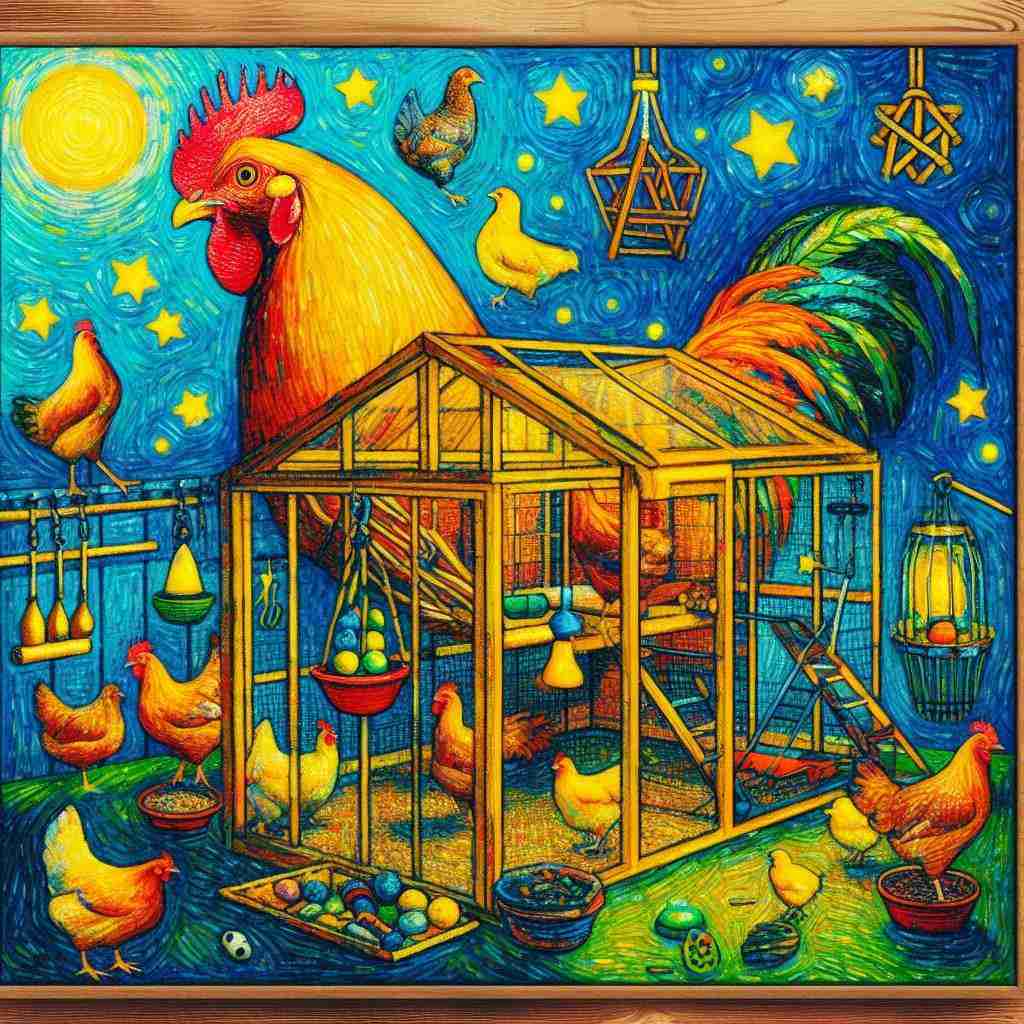
Other Questions
Haiku
Eco-Chic Chickens – When Design Meets Biodiversity – A Haiku
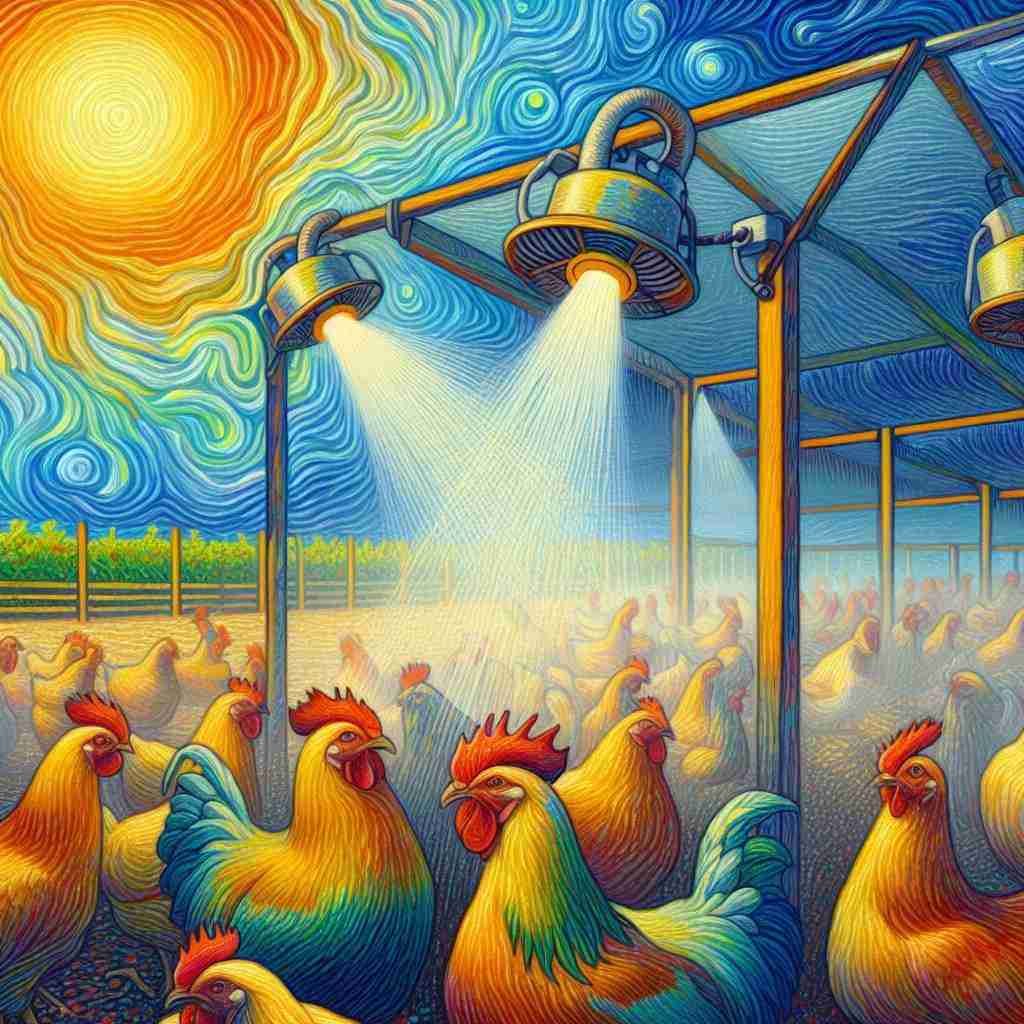
Feathers in the sun,
Chickens weave a tale of care—
Life nurtured, shared blooms.
Haiku
Poem
Eco-Chic Chickens – When Design Meets Biodiversity – A Poem
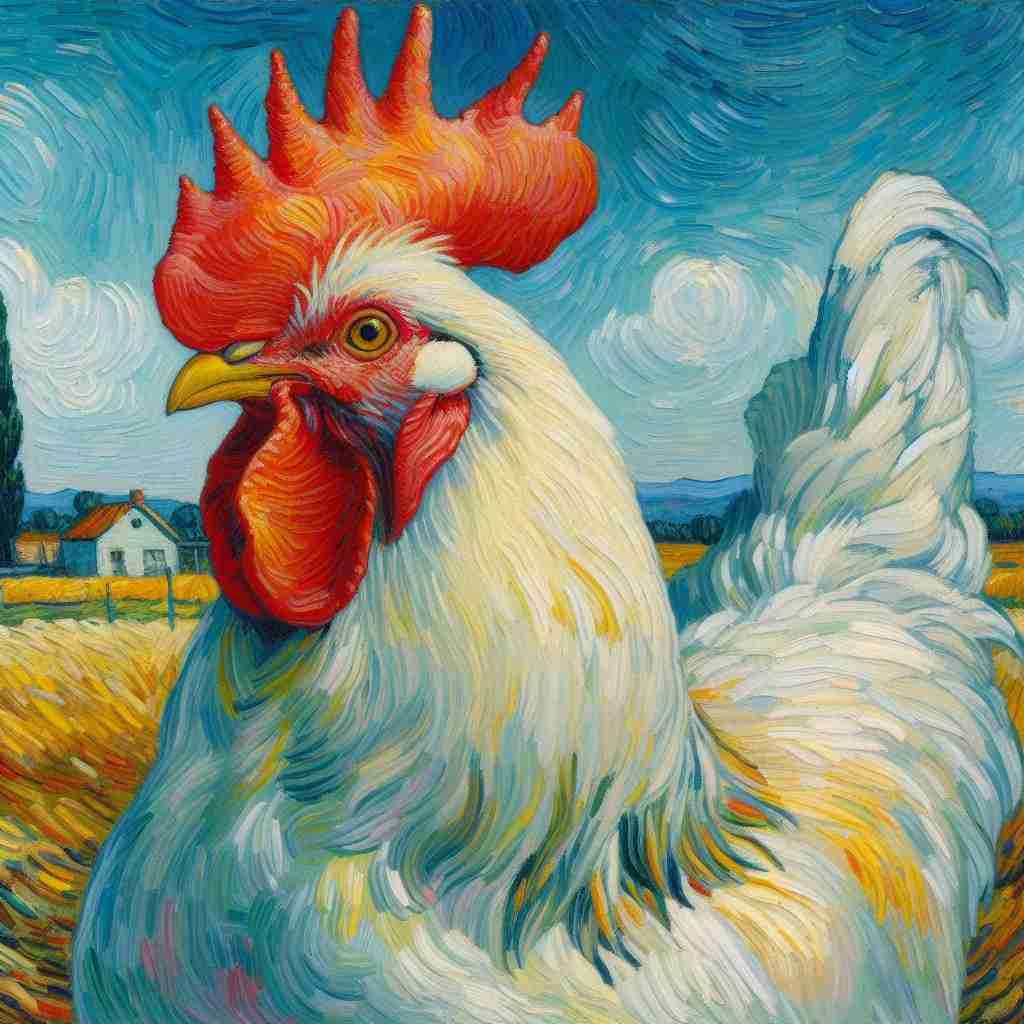
In the backyard where clucks resound,
Amidst the greenery, life is found.
Feathered friends in gentle sway,
Nature’s balance at play each day.
They scratch the soil, a lively dance,
Transforming scraps with eager chance.
Nutrient-rich, the garden thrives,
In every egg, a bond that survives.
With each soft coo and sunny morn,
A connection deepens, a new life born.
Witness the cycle, the wonder it brings,
Renewal echoes in the rhythm of wings.
A call to ethics, a plea to care,
For living beings in sunshine’s glare.
Each choice we make, a statement bold,
To nurture, to cherish, a story told.
Where neighbors gather, sharing delight,
In egg exchanges and garden’s light.
Community thrives as laughter blends,
In the warmth of kinship, where kindness extends.
Our choices shape the world we see,
A tapestry woven, sustainability.
As the concrete blooms with vibrant grace,
Biodiversity roots in every space.
Each chicken, a messenger of our aim,
To turn each patch into nature’s claim.
Together we flourish, resilient, united,
In the heart of the city, our spirits ignited.
So let us dig, let hearts embrace,
The joy of growth, the sacred space.
For in each cluck, a truth we find,
A life well-lived, to nature aligned.
Poem
Checklist
Eco-Chic Chickens – When Design Meets Biodiversity – A Checklist
Eco-Chic Chickens: Heart, Head, Gut Checklist
Emotional Appeals
_____ Reflect on the joy of connecting with nature through the daily care of backyard chickens.
_____ Identify moments of wonder when observing chickens; consider keeping a journal of these experiences.
_____ Share stories with family and friends about your interactions with your chickens or gardening.
Rational Appeals
_____ Research the health benefits of growing your food and how it impacts overall well-being.
_____ Make a list of sustainable practices you can implement in your backyard, such as creating a compost bin or using chickens for pest control.
_____ Track the environmental impact of raising chickens and growing your own food (carbon footprint reduction, chemical-free gardening).
Ethical Appeals
_____ Consider the ethical implications of local versus industrial food systems; outline your stance on sustainable farming.
_____ Create a plan for ensuring the well-being of your chickens; establish humane care practices.
_____ Volunteer or support local farms that promote ethical farming practices.
Authority Appeals
_____ Follow reputable resources or experts in sustainable agriculture for tips and best practices regarding raising chickens.
_____ Attend workshops or community events focused on backyard farming and sustainability.
_____ Network with local gardeners or chicken owners to exchange knowledge and experiences.
Narrative Appeals
_____ Share your personal journey of starting your backyard chicken adventure; what inspired you?
_____ Create a narrative around how chickens have changed your backyard and lifestyle.
_____ Document the stories of your chickens and how their presence has shaped your community interactions.
Social Appeals
_____ Invite neighbors to join in the chicken-raising or gardening experience; consider hosting a coop tour or garden party.
_____ Encourage community discussions around local food systems and biodiversity in urban spaces.
_____ Initiate a sharing network with neighbors for eggs, produce, and gardening tips to foster greater community bonds.
Practical Steps
_____ Make a checklist of essentials for starting a backyard chicken coop, including housing, feed, and care supplies.
_____ Set personal goals for your backyard ecosystem: how many plants to cultivate, eggs to collect, or community events to host this year.
_____ Plan a regular schedule for maintaining your garden and caring for your chickens to ensure commitment and sustainability.

Checklist
At BackyardChickenNews, we help people who want to raise backyard chickens by collating information and news blended with our own personal experiences.
Be sure to read our other related stories at BackyardChickenNews to learn more about raising chickens in your backyard.