

Connecting Through Cooking: A Tale Of Nourishment
By Tom Seest
At BackyardChickenNews, we help people who want to raise backyard chickens by collating information and news blended with our own personal experiences.
Be sure to read our other related stories at BackyardChickenNews to learn more about raising chickens in your backyard.
From Egg to Omelet – a Delicious Lesson In Where Food Comes From
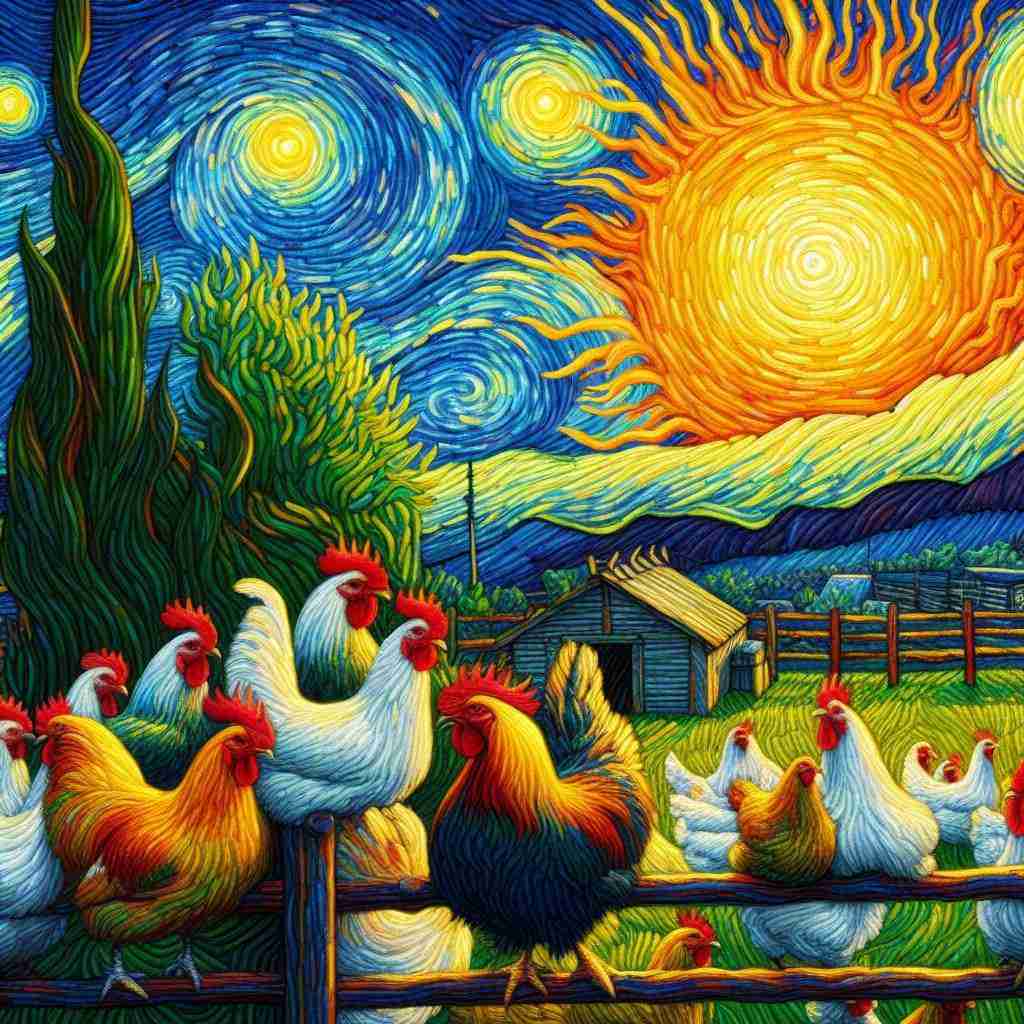
From the moment you crack an egg, you might not realize just how much life has gone into that little shell. Each egg is a product of a well-crafted journey that begins with a resource as simple as a backyard chicken. Imagine, if you will, the gentle clucking of hens in your own yard: the sun rising over their coop, illuminating the miracle of their daily contribution. This is where the story begins—rooted in the care of those who nurture them.
As we stand in our kitchens, preparing our breakfast, it’s easy to overlook the intricate system that delivers eggs to our tables. It’s not just a commodity; it’s an embodied lesson in ethics, sustainability, and connection to the land. These aren’t just farm animals; they represent an age-old relationship humans have with nature. When we choose to raise chickens ourselves, we step into a narrative rich with history and responsibility, embracing the cycle of life, nourishment, and care.
Raising backyard chickens is about more than just eggs; it’s about cultivating a sense of community, responsibility, and awareness. Each time you watch your hens scratch the ground, you can’t help but feel a sense of pride. You’re participating in something bigger—a movement toward understanding where our food comes from. It’s a direct action that spurs conversations at the dinner table, fostering a family connection that transcends mere sustenance.
Now, let’s talk numbers. The average store-bought egg travels over 1,500 miles before reaching your breakfast plate. That’s a whole lot of gas and a hefty carbon footprint. By choosing backyard chickens, you’re not only minimizing your environmental impact, but you’re investing in a more humane treatment of animals. You become a steward of their welfare—ensuring they roam free, eat healthy diets, and produce the best quality eggs.
Let’s get real: the taste of a fresh, free-range egg is incomparable; it’s richer, creamier, packed with nutrients. When you crack one open, you’re tasting not just an egg but the labor of love that went into its creation. Embrace this journey from egg to omelet, and you’ll find satisfaction beyond the plate. You’ll be equipped with stories to share, knowledge to impart, and most importantly, an appreciation for the simple, beautiful cycle of life that sustains us all. It’s time to connect with your food—because every omelet tells a story worth hearing.
From Egg to Omelet – a Delicious Lesson In Where Food Comes From
From Egg to Omelet – a Delicious Lesson In Where Food Comes From
- Each egg represents a journey beginning with backyard chickens and the care provided by their keepers.
- Eggs embody lessons in ethics, sustainability, and our connection to the land.
- Raising chickens fosters a sense of community, responsibility, and awareness about food sources.
- Watching hens scratch the ground instills pride and encourages discussions about food at the family table.
- Store-bought eggs travel over 1,500 miles, contributing to environmental impact; backyard chickens minimize this footprint.
- Fresh, free-range eggs are richer, creamier, and packed with nutrients, reflecting the effort behind their production.
- Connecting with your food enhances appreciation for the cycle of life, as every omelet tells a meaningful story.

From Egg to Omelet – a Delicious Lesson In Where Food Comes From
Table Of Contents
- From Egg to Omelet – a Delicious Lesson In Where Food Comes From
- What Memories Do You Associate with Preparing a Meal Together?
- How Does Understanding Food Origins Influence Your Eating Choices?
- What Ethical Considerations Do You Think About When Choosing Eggs?
- How Can We Promote Awareness Of Sustainable Farming Practices?
- Why Is It Important to Connect Children with Their Food Sources?
- What Role Do Cultural Traditions Play In How We Consume Eggs?
- How Can Storytelling Enhance Our Relationship with Food?
- Conclusion
- Other Resources
- Glossary Of Terms
- Other Questions
- Haiku
- Poem
- Checklist
What Memories Do You Associate with Preparing a Meal Together?
When it comes to gathering around the kitchen for a meal prep, the simple act of cooking together sparks memories that cling to the heart. Think of the last time you rolled up your sleeves, flour dusting the countertops like a forgotten snow. There’s something inappreciably human about sharing this ritual — a shared experience that transforms mundane ingredients into a feast worthy of the finest dining experiences. It’s in those moments, surrounded by the laughter and chatter, where memories start to unfold into something greater than just meal prep.
Consider the young ones, perhaps your children or nieces and nephews, eagerly learning the skills that were once taught to you. As you shuffle around the kitchen, you pass down generations of culinary wisdom like a sacred text. That recipe for Grandma’s chicken soup? It’s more than just ingredients; it embodies history, love, and a sense of belonging. By enlisting the help of your family, you’re not only filling bellies but also feeding the hearts and minds of those who will carry on those traditions. Each slice and stir becomes a moment tethered to something larger, an ethical obligation to preserve our legacies through food.
Now, let’s talk about how those tastes and smells interlap with rich narratives that bind us to our culture and community. When you gather around the table, it’s not just about nutrition but a chance to unwind, share laughter, and fortify relationships. Conversations blossom like seasonal herbs in a garden, allowing you to express feelings, ideas, and perhaps even the vulnerabilities we all share. Sharing a meal fosters connection, reminding us we’re not alone in this journey called life.
Just picture the scene: backyard chickens clucking softly in the distance, reminding you that the ingredients on your table didn’t just come from the store. They grew in the earth, nurtured by hands that understood the rhythm of nature. Understanding the source of your food anchors a deeper meaning to the meal you’re preparing. Every bite carries a story, a life, and a connection to the land, evoking a sense of gratitude that resonates powerfully within.
So, as you prepare to create yet another meal, remember — it’s not just nourishing bodies; it’s an invitation to connect, celebrate, and honor those who came before us. Each meal shared becomes a chapter in a story much larger than ourselves. Grab those pots and pans, and let’s get cooking.

What Memories Do You Associate with Preparing a Meal Together?
What Memories Do You Associate with Preparing a Meal Together?
- Cooking together in the kitchen creates lasting memories and emotional connections.
- Family meal prep transforms simple ingredients into significant shared experiences.
- Passing down culinary traditions fosters a sense of belonging and history.
- Involving younger generations in cooking cultivates skills and preserves family heritage.
- Sharing meals offers a chance to build relationships and express emotions through conversation.
- Understanding the source of ingredients enhances gratitude and connection to the land.
- Every meal prepared is a celebration of heritage, connection, and life’s journey.
What Memories Do You Associate with Preparing a Meal Together?
How Does Understanding Food Origins Influence Your Eating Choices?
When you crack open an egg in the morning, do you ever pause to think about where it really came from? The origins of our food can be as tantalizing as the flavors on our plates, and understanding that journey can transform our eating choices in unexpected ways. Imagine those sunny mornings when you source your breakfast from Backyard Chickens, clucking away just outside your door, pecking at the ground. These are birds raised with love, care, and a hint of freedom. This isn’t just about taste; it’s about connection.
Think about it. Many of us rush through grocery store aisles, oblivious to the hidden stories behind pre-packaged meals. When we take time to peel back those layers, we find a world filled with farmers who rise with the sun, families who face the elements to nurture what ends up on our plates, and communities that thrive on the ethics of local food systems. This awareness isn’t merely an intellectual exercise; it speaks to our gut — our instinctive understanding that we want to support those who pour their sweat into the ground, those who hand-pick each vegetable, and the local artisans crafting our bread.
By opting for locally sourced ingredients, we build relationships that stretch beyond the transaction. We feed not just our bodies but also the soul of our communities. It’s about pride, responsibility, and a desire to embrace the rich tapestry of the world around us.
Now picture this: you sit at the table with loved ones, and instead of just sharing a meal, you recount the story of how that food made its way to your plate. You talk about the Backyard Chickens that laid those eggs, and suddenly everyone is seated a little closer, engaged in a deeper conversation. Food becomes not just sustenance but a vessel for sharing values, celebrating culture, and fostering connection.
When we understand where our food comes from, we can make smarter choices that elevate our health, honor ethical practices, and strengthen community bonds. It’s a choice that sends a ripple through our lives, making us advocates for sustainability and local economies. So next time you think about what’s for dinner, remember: it’s not just food; it’s a chance to partake in a story worth telling. Let’s make choices that matter, choices that nourish our bodies, our communities, and our planet.

How Does Understanding Food Origins Influence Your Eating Choices?
How Does Understanding Food Origins Influence Your Eating Choices?
- Think about the origins of food, such as eggs, and how their journey influences our eating choices.
- Backyard Chickens represent a source of breakfast that embodies love, care, and freedom.
- Many individuals overlook the stories behind grocery store meals, missing the efforts of dedicated farmers.
- Understanding food sources connects us to those who nurture and produce our meals, enhancing our appreciation.
- Choosing locally sourced ingredients builds community relationships and supports ethical food systems.
- Sharing the story of our food fosters deeper connections and values during meals with loved ones.
- Being mindful of where our food comes from leads to smarter choices that promote health, sustainability, and local economies.

How Does Understanding Food Origins Influence Your Eating Choices?
What Ethical Considerations Do You Think About When Choosing Eggs?
When it comes to selecting eggs, there’s more on the table than just breakfast. Ethical considerations come into play, and they might just change the way you think about your morning omelet. Imagine a sunny backyard, where chickens roam freely, scratching the earth and filling the air with soft clucks. These aren’t just birds; they’re a part of a system, a cycle that connects us to the land and to each other.
When you crack open an egg, you might picture a farm, but do you know how those hens are treated? Hens raised in cramped cages might churn out eggs by the dozen, but at what cost? A bit of research can go a long way. Look for eggs labeled “cage-free” or “pasture-raised.” The difference is more than just marketing jargon; it speaks to the quality of life of the animals. Ethical choices resonate not just in your gut, but in your heart, fostering a connection to the lives behind your food.
Think about the impact on the environment too. Industrial farming practices contribute to pollution and waste. Supporting local farms or even considering having your own backyard chickens can lessen your carbon footprint and create a relationship with your food source that feels more personal. It’s not just about the eggs; it’s about understanding the land that nurtures those chickens, the people who care for them, and the health of the ecosystem.
Social norms are changing, with more folks choosing to engage with their farmers directly. Sharing stories of farm-to-table journeys reinforces community ties. When you choose ethically produced eggs, you’re joining a movement that values humane treatment and environmental consciousness. You’re not just a consumer but a participant in a larger narrative that advocates for animal welfare.
Every time you sit down to enjoy that egg, take a moment to appreciate what it represents: a commitment to ethical practices that respect both animal life and the planet. By making conscious choices, you inspire others to examine their own consumption patterns. The next time someone reaches for that carton at the store, your thoughtful conversation about backyard chickens and ethical egg production might just ignite a spark in how they approach their own choices.

What Ethical Considerations Do You Think About When Choosing Eggs?
What Ethical Considerations Do You Think About When Choosing Eggs?
- Choosing eggs involves ethical considerations that impact our perception of food.
- Hens raised in cramped cages may produce more eggs, but their quality of life is a significant concern.
- Look for labels like “cage-free” or “pasture-raised” to make informed, ethical choices.
- Industrial farming practices negatively affect the environment; supporting local farms can reduce your carbon footprint.
- Engaging directly with farmers fosters community and enhances awareness of food sources.
- Choosing ethically produced eggs connects consumers to animal welfare and environmental consciousness.
- Your conscious choices can inspire others to reevaluate their own consumption habits.

What Ethical Considerations Do You Think About When Choosing Eggs?
How Can We Promote Awareness Of Sustainable Farming Practices?
When you think about sustainable farming, what usually pops into your mind? A vast, picturesque landscape? Perhaps a rustic barn surrounded by fields of golden wheat? While those images are enchanting, the truth of sustainability runs much deeper—it’s embedded in the choices we make every day, choices that ripple through our communities and our lives.
Imagine a family in your neighborhood raising a handful of backyard chickens. At first glance, it may seem like a quirky hobby, but in actuality, these little cluckers are more than just pets. They’re a gateway to understanding sustainable practices right in your backyard. By caring for these birds, families are learning about local food systems, waste reduction, and the satisfaction of growing their own nourishment. It’s about digging your hands into the soil, understanding where food comes from, and taking responsibility for what you put on your table.
Now, let’s talk turkey—or rather, the intricate web of farming and its ripple effects. When we support sustainable farming, we’re not just supporting a method of agriculture; we’re standing in solidarity with our planet. Less chemical runoff, more biodiversity, and healthier soil mean a healthier community. It’s the kind of ethical choice that we can feel good about—like teaching our kids to appreciate their food and respect the land it comes from.
Data tells a compelling story—sustainable farms produce food while preserving ecological balance. Studies have shown that these practices can significantly reduce carbon footprints. But stark statistics can’t replace personal connection. Picture a farmer you know, someone whose hands are worn from years of labor, yet whose eyes sparkle with passion. These are the stories of resilience and innovation, not just numbers on a spreadsheet.
Connecting with our neighbors about sustainable farming is vital. Community gardens, farmers’ markets, and local food co-ops are wonderful frontiers. When people share their experiences—like how one family turned their lawn into a thriving vegetable patch or another started raising backyard chickens—it creates a buzz. Word spreads, and suddenly, more people are inspired to act.
What if everyone rolled up their sleeves to create their own backyard oasis or supported local farmers rather than the big agribusinesses? Sustainable farming is a collective journey. It’s about uniting our hearts, heads, and hands, leading us to a future that’s not just bearable, but beautiful. Let that vision inspire us to take action today, for ourselves, our children, and generations to come.

How Can We Promote Awareness Of Sustainable Farming Practices?
How Can We Promote Awareness Of Sustainable Farming Practices?
- Sustainable farming encompasses more than picturesque landscapes; it involves daily choices impacting communities and lives.
- Backyard chickens serve as an entry point for families to learn about sustainable practices, local food systems, and waste reduction.
- Supporting sustainable farming promotes healthier environments, biodiversity, and community well-being.
- Sustainable farms not only produce food but also preserve ecological balance and reduce carbon footprints.
- Personal connections with farmers and their stories highlight resilience and innovation beyond mere statistics.
- Community engagement through gardens, markets, and co-ops fosters sharing and inspires collective actions for sustainability.
- Advocating for sustainable practices is a collaborative effort towards a more beautiful and viable future for generations.

How Can We Promote Awareness Of Sustainable Farming Practices?
Why Is It Important to Connect Children with Their Food Sources?
When we think about food, we often picture neatly packaged items on supermarket shelves, forgetting the journey each morsel takes before reaching our plates. Connecting children with their food sources is essential, nurturing a deep-rooted understanding of where their meals come from. This connection isn’t just beneficial—it’s transformative.
Imagine a child stepping into a garden filled with vibrant vegetables. They pluck a ripe tomato, wiping off the soil before biting into it. The burst of flavor isn’t just a delight for their palate; it’s a sensory experience that fosters a lasting relationship with nature and nutrition. When kids interact with their food—whether through planting seeds, tending to backyard chickens, or visiting local farms—they develop a profound appreciation for the labor and resources that nourish their bodies. This is about igniting a sense of responsibility, an awareness that every meal is a culmination of effort, care, and perhaps even a little love.
Rationally, understanding food sources empowers children to make healthier choices. They learn to recognize the difference between processed snacks and fresh produce, becoming advocates for their own well-being. Armed with this knowledge, they are more likely to engage in conversations around nutrition, sharing insights with family and friends. This makes them ambassadors for better eating habits in their communities, leading by example in a world where convenience often takes precedence over quality.
Ethically, connecting children with their food makes them aware of the environmental impact of their choices. They begin to understand issues surrounding food production, sustainability, and animal welfare. This awareness can inspire them to make choices that support local farmers and humane practices, contributing to a healthier planet and community.
Narratively, stories around food bind us. Imagine a child learning that the eggs they gather from their backyard chickens came from animals they’ve cared for, building a rich tale of connection and stewardship. Every meal shared becomes an opportunity to retell these stories, sustaining traditions and fostering familial bonds.
In a society heavily influenced by fast food and convenience, it is crucial to cultivate strong ties between children and their food sources. By doing so, we not only prepare them to make healthier choices but also equip them to become stewards of the environment and champions of their own health. The journey from farm to table is an adventure worth knowing—a legacy we must pass on to the next generation. Connecting children to their food is not just about vegetables and livestock; it’s about cultivating a deep appreciation for every bite.

Why Is It Important to Connect Children with Their Food Sources?
Why Is It Important to Connect Children with Their Food Sources?
- Food often appears as neatly packaged on supermarket shelves, obscuring its true journey to our plates.
- Connecting children with their food sources fosters a deep understanding of meal origins and nutrition.
- Experiences like garden visits allow children to engage with food, increasing their appreciation for nature and the labor behind meals.
- Understanding food sources empowers children to choose healthier options and advocate for their well-being.
- This connection also raises awareness of the environmental impact of food choices, promoting sustainable practices.
- Stories about food cultivation and care, such as collecting eggs from backyard chickens, strengthen familial bonds and traditions.
- Building ties to food sources equips children to become stewards of their health and the environment, fostering a legacy for future generations.

Why Is It Important to Connect Children with Their Food Sources?
What Role Do Cultural Traditions Play In How We Consume Eggs?
Cultural traditions shape the way we consume eggs in ways that reach far beyond breakfast plates. When you sit down to a meal, you’re not just indulging in a simple food item; you’re engaging in a rich tapestry of history, community, and values. Take, for example, the concept of raising backyard chickens. This practice isn’t just a trend; it’s a nod to our agrarian roots, a way to reconnect with the land and the rhythms of nature.
Imagine a family gathering where the centerpiece is an omelet made from eggs lovingly collected from their own backyard flock. Each egg tells a story, from the gentle cluck of hens scratching in the dirt to the quiet moments spent nurturing these creatures. This connection fosters a sense of responsibility and respect for what’s on the table, encouraging mindful consumption. Here, the act of eating becomes a ritual steeped in ethics, prioritizing sustainable practices that care for both the earth and the animals we rely upon.
Cultural customs around egg consumption also highlight broader societal values. In many cultures, eggs symbolize new beginnings and fertility, making them central to celebrations like Easter and Chinese New Year. In these contexts, eggs are more than food; they serve as vessels of hope and renewal, bridging generations as families gather to pass down recipes and stories. Consuming eggs becomes an act of honoring one’s heritage, of belonging to a community that shares these time-honored beliefs.
But how do we balance tradition with the needs of today? Here’s where the head comes in. Embracing local sources or even starting your own backyard chicken venture taps into that age-old wisdom of sustainability. Eggs from backyard hens are not merely an alternative; they’re a statement—a commitment to quality over convenience. They enrich our diets and spark conversations about where our food comes from and how we treat the very creatures that help nourish us.
Ultimately, the journey of eggs from farm to fork transcends mere sustenance. It invites us to engage with our communities, to respect the animals that provide for us, and to celebrate the stories that shape our culinary identities. So next time you crack an egg, take a moment to reflect. Each shell represents a piece of tradition, a connection to our past, and a step toward a more conscious future.

What Role Do Cultural Traditions Play In How We Consume Eggs?
What Role Do Cultural Traditions Play In How We Consume Eggs?
- Cultural traditions influence how we consume eggs, extending beyond just breakfast.
- Raising backyard chickens connects us to agrarian roots and promotes a relationship with nature.
- Family gatherings featuring homemade egg dishes foster a sense of responsibility and encourage mindful consumption.
- Eggs symbolize new beginnings and fertility in many cultures, integral to celebrations like Easter and Chinese New Year.
- Consuming eggs honors heritage and reinforces community connections through shared recipes and traditions.
- Embracing sustainable practices, like backyard chicken raising, prioritizes quality and sparks discussions about food sourcing.
- The journey of eggs from farm to table encourages community engagement, respect for animals, and recognition of culinary stories.

What Role Do Cultural Traditions Play In How We Consume Eggs?
How Can Storytelling Enhance Our Relationship with Food?
When it comes to our relationship with food, let’s not just talk about nutrients and calories. Let’s dive deeper, where the heart meets the table. Food isn’t just sustenance; it’s a story waiting to be told—a narrative woven with tradition, family, and culture. Imagine sitting around a table filled with the aromas of a favorite dish prepared by a loved one. Each bite isn’t just a flavor; it encapsulates memories. Perhaps it reminds you of that summer you spent with your grandparents, where the backyard chickens clucked happily, scratching at the ground. There’s an emotional connection to that bird, to the care it required, and to the way it nourished your family.
From a rational standpoint, when we engage with our food story, we elevate our understanding of what we consume. We begin to appreciate the journey from farm to table: the labor, the land, and the people involved. It’s not just about filling our stomachs but knowing the impact of our choices on our bodies and the environment. Eating a locally sourced meal or perhaps something harvested from your own backyard fortifies this connection, reminding us of the cycles of life, responsibility, and sustainability.
But let’s not overlook the ethical dimension either. When we understand the stories behind our food, we start asking questions—questions about where it comes from, how it’s grown, and who grows it. Ethical consumption becomes more than a trend; it transforms into a commitment to supporting those who do things right. Knowing that a farmer worked hard, often against the odds, to bring that produce to your plate fosters respect and gratitude.
As we share these stories, they ripple outwards. Dining becomes a communal act, a shared experience that unites us with others, creating bonds forged over meals and narratives. It’s in the laughter, the conversation, and the collective history that we find connection. So next time you’re planning a meal, think about the stories wrapped in every ingredient. Invite friends or family to join in that exploration. Whether you’re roasting a chicken or grilling vegetables, let each bite remind you of the journey, the labor, and the love that made it possible. Ultimately, storytelling enriches our relationship with food, turning each meal into a celebration of life itself.

How Can Storytelling Enhance Our Relationship with Food?
How Can Storytelling Enhance Our Relationship with Food?
- Food transcends mere sustenance; it embodies stories of tradition, family, and culture.
- Each meal evokes memories and emotional connections, such as childhood experiences with loved ones.
- Understanding the journey from farm to table enhances appreciation for what we consume.
- Locally sourced meals highlight the importance of sustainability and responsibility.
- Ethical consumption involves questioning the origins and practices surrounding our food.
- Sharing meals fosters communal connections, enhancing bonds through shared experiences and narratives.
- Storytelling around food transforms each meal into a celebration of life and connection.
How Can Storytelling Enhance Our Relationship with Food?
Conclusion
Food is so much more than just sustenance; it’s a profound journey that connects us to our roots, our communities, and the very cycles of life. When you crack an egg in your kitchen, you’re not just preparing breakfast; you’re connecting with an age-old story that begins well before it arrives on your plate. Raised in your backyard or by local farmers, these eggs symbolize a commitment to ethical practices and sustainability that resonates deep within our hearts, heads, and guts.
Imagine the vibrancy of family gathered around a kitchen island, learning how to crack those eggs, or watching backyard chickens break through the earth. In those moments, we are not only nurturing nourishing bodies but also imparting wisdom that spans generations. Each ingredient holds stories, values, and traditions that bind us to one another, creating a rich tapestry of experiences that extend far beyond flavor. Every meal, every conversation builds connections, turning simple acts like cooking and sharing into rituals laden with history and meaning.
But let’s not ignore the hard facts. Grocery store eggs travel over 1,500 miles to reach your breakfast plate, leaving behind a hefty carbon footprint. In contrast, choosing local or backyard-raised eggs isn’t just a culinary decision; it fights against this imbalance and fosters a more humane relationship with the animals that provide for us. It’s a personal choice that bears impact—one that supports local farmers, reduces waste, and champions a healthy planet. This isn’t just good ethics; it’s smart for our health and the social fabric of our communities.
As we become more aware of the origins of our food, we can make empowered choices that reverberate through our lives and the lives of those around us. It’s a ripple effect—each informed decision encourages conversations, strengthens community ties, and inspires others to rethink their eating habits. The power of storytelling in food is transformative. It’s an opportunity to celebrate not just the act of eating but the mindful connection we have with those who produce our food and the land it comes from.
So next time you prepare a meal, take a pause. Reflect on where those ingredients come from and the lives intertwined with their journey. Embrace the connection—because the stories behind our food are worth sharing. That simple act is not just about nourishing ourselves; it’s about honoring the legacy of life, love, and community at every meal. Let’s get cooking.

Conclusion
Conclusion:
- Food transcends mere sustenance; it connects us to our roots, communities, and the cycles of life.
- Cracking an egg links us to a longstanding tradition of food production and ethical practices.
- Family gatherings around the kitchen foster wisdom and shared experiences that span generations.
- Every meal becomes a ritual rich with stories, values, and traditions that deepen our connections.
- Grocery store eggs have a significant carbon footprint from their long travel; local options reduce this impact.
- Making informed food choices supports local farmers, promotes sustainability, and enhances community bonds.
- Reflecting on the origins of our ingredients honors the life, love, and community behind our meals.
Conclusion
Other Resources
Other Resources
Here is a list of other resources you can review online to learn more:
- Australorp
- Light Brahma
- cottage cheese
- cooked beans
- insects
- Faverolles
- kale
- Pullorum Disease
- Delaware
- Frizzle
- grains
- Whiting True Blue
- Lavender Orpington
- Silkie
- Newcastle Disease
- Serama
Use This Prompt To Get More Resources With Your Favorite Online AI Tool: Please provide me with a list of online articles with their URLs in a bulleted list that I can read regarding From Egg to Omelet – a Delicious Lesson In Where Food Comes From

Other Resources
Glossary Terms
From Egg to Omelet – a Delicious Lesson In Where Food Comes From – Glossary Of Terms
1. Egg: A reproductive structure laid by birds, containing the embryo and nutrients necessary for development.
2. Omelet: A dish created by whisking eggs and cooking them in a pan until set, often filled with various ingredients.
3. Incubation: The process of maintaining optimal conditions for eggs to develop and hatch into chicks, typically involving heat and humidity.
4. Hatchling: A newly born baby bird that has just emerged from its egg.
5. Chicken: A domesticated bird commonly raised for its meat and eggs, belonging to the species Gallus gallus domesticus.
6. Brooding: The act by a hen of sitting on her eggs to provide warmth and protection until they hatch.
7. Cage-Free: A term describing hens that are allowed to roam freely indoors, not confined to cages.
8. Free-Range: Referring to hens that have access to the outdoors, promoting natural behaviors and a healthier lifestyle.
9. Fertilization: The union of male sperm with a female egg, leading to the development of an embryo.
10. Shell: The hard, protective outer layer of an egg, primarily composed of calcium carbonate.
11. Yolk: The nutrient-rich, yellow part of the egg that serves as food for the developing embryo.
12. Albumen: Also known as egg white, the clear liquid surrounding the yolk, providing additional nutrition and protection.
13. Hens: Female chickens raised primarily for egg production.
14. Rooster: A male chicken known for its crowing and role in fertilizing eggs.
15. Oviposition: The process by which a female bird lays eggs.
16. Chick: A young chicken, especially during its first few weeks of life after hatching.
17. Coop: A shelter or enclosure for keeping chickens, providing protection from predators and weather.
18. Feed: The food provided to chickens, crucial for their health and egg production.
19. Poultry: Domestic birds raised for food, including chickens, turkeys, ducks, and geese.
20. Nutrition: The process of obtaining essential nutrients from food, important for the development of both eggs and chicks.
21. Organic: A label for food produced without synthetic fertilizers, pesticides, or genetically modified organisms.
22. Culinary: Related to cooking or the preparation of food, especially in a professional context.
23. Sauté: A cooking technique that involves quickly frying food in a small amount of oil or butter.
24. Whisking: A method of beating eggs to incorporate air and create texture, often used in omelet preparation.
25. Flavoring: The addition of herbs, spices, or other ingredients to enhance the taste of food.
26. Savory: A term used to describe dishes that are not sweet, typically rich in umami flavors.
27. Garnishing: The act of adding decorative elements to a dish for presentation, often involving herbs or additional ingredients.
28. Texture: The physical feel or structure of food, which can influence the overall eating experience.
29. Sourcing: The process of finding and obtaining ingredients, emphasizing quality and sustainability in food production.
30. Culinary Arts: The practice of preparing and cooking food, encompassing various techniques and presentations.

Glossary Of Terms
Other Questions
From Egg to Omelet – a Delicious Lesson In Where Food Comes From – Other Questions
If you wish to explore and discover more, consider looking for answers to these questions:
- What are the best practices for raising backyard chickens?
- How do we ensure the ethical treatment of farm animals?
- What are the health benefits of consuming backyard eggs compared to store-bought eggs?
- How can we effectively teach children about sustainable food practices?
- What are some common misconceptions about sustainable farming?
- How do global food systems affect local food choices?
- What are some tips for starting your own vegetable garden?
- How can families incorporate cultural traditions into everyday meals?
- What role does food play in community building?
- How can we reduce our carbon footprint through food choices?
- What research exists on the environmental impact of industrial farming?
- How can storytelling be used to enhance food education in schools?
- What are some local initiatives that support sustainable food practices?
- How can we involve children in the cooking process to build their relationship with food?
- What are the nutritional differences between various types of eggs?

Other Questions
Haiku
From Egg to Omelet – a Delicious Lesson In Where Food Comes From – A Haiku
Eggs from the heart’s hen,
Whispers of earth and the hands,
Life cycles nourish.
Haiku
Poem
From Egg to Omelet – a Delicious Lesson In Where Food Comes From – A Poem
In the quiet dawn, a hen begins to cluck,
Each egg a story, a life, a stroke of luck.
From backyard to breakfast, the journey unfolds,
A tale of connection, of care that it holds.
Crack open the shell, taste more than the bite,
Feel the love, the labor, the warmth of the light.
Not just a meal, but a ritual we share,
In laughter around tables, a bond laid bare.
Memories rise as we gather to cook,
Flour on counters, the family’s heartbook.
Traditions passed down, a sacred embrace,
In each stirring moment, we find our place.
Consider the footprints that eggs leave behind,
A life intertwined with nature, well-defined.
The choice of the farmer, the story of land,
In the act of selecting, we take a stand.
Ethics in focus as we reach for our food,
Understanding the cycle cultivates our mood.
A commitment to nurture, to honor the hens,
A step towards a future where kindness begins.
In children’s bright eyes, the lessons take root,
Learning from gardens, from seeds, and from fruit.
Each meal a reminder of journey and toil,
A legacy rich, in the heart of the soil.
Culture in bites, as we savor each flavor,
Eggs tell of histories, an everlasting labor.
From festivals joyous to moments we cherish,
Our culinary tales in kindness shall flourish.
So gather together and embrace what is near,
The food on your table, the stories to share.
With each meal a chapter, a life intertwined,
In the journey from egg to omelet, we find.

Poem
Checklist
From Egg to Omelet – a Delicious Lesson In Where Food Comes From – A Checklist
Checklist for Connecting Through Cooking: A Journey from Egg to Omelet
Emotional Appeals
_____ Recall a cherished memory associated with preparing a meal together.
_____ Reflect on the feelings of pride and responsibility when caring for backyard chickens.
_____ Share stories of family traditions tied to food preparation and consumption.
Rational Appeals
_____ Consider the nutritional differences between fresh, free-range eggs and store-bought options.
_____ Assess the environmental impact of food choices, particularly related to transportation and carbon footprint.
_____ Document how understanding food origins influences your eating habits and purchasing decisions.
Ethical Appeals
_____ Investigate the welfare of animals in food production; choose humane and sustainable options.
_____ Educate children about the importance of ethical eating and the environmental impact of food choices.
_____ Reflect on the role of local farms and community-supported agriculture in fostering sustainable practices.
Authority Appeals
_____ Consult resources from sustainable farming organizations to understand the benefits of local sourcing.
_____ Engage with local farmers or experts to learn more about ethical farming practices and food origins.
Narrative Appeals
_____ Create a family recipe book that includes the stories behind dishes and the ingredients involved.
_____ Encourage storytelling during meals to deepen connections and enhance cultural appreciation.
Social Appeals
_____ Join or organize community events that promote cooking together and sharing food stories.
_____ Share your cooking experiences and lessons learned from raising chickens on social media or in local groups.
_____ Start conversations about food choices at the dinner table to engage family and friends in meaningful discussions.
Embrace these aspects as you journey from egg to omelet, enriching your meals with stories, connections, and a deeper understanding of the food you consume.

Checklist
At BackyardChickenNews, we help people who want to raise backyard chickens by collating information and news blended with our own personal experiences.
Be sure to read our other related stories at BackyardChickenNews to learn more about raising chickens in your backyard.