

Revolutionizing Education Through Eco-Learning
By Tom Seest
At BackyardChickenNews, we help people who want to raise backyard chickens by collating information and news blended with our own personal experiences.
Be sure to read our other related stories at BackyardChickenNews to learn more about raising chickens in your backyard.
Hands-On Science – Turning Backyard Gardens Into Eco-Classrooms
Transforming your backyard garden into an eco-classroom is more than just a crafty project; it’s an opportunity to reconnect with our roots—literally. Imagine the joy of watching your kids dig their hands into the soil, discovering the magic of nature with every worm they unearth. Each seed they plant tells a tale of potential—family learning, growth, responsibility. This isn’t just a backyard; it’s a living classroom where lessons sprout far beyond textbooks.
What if you could teach your children about sustainability while they nurture their very own Backyard Chickens? These feathery friends not only provide eggs but also valuable lessons in caring for other living beings. Each morning, the excited clucks echo, reminding us that life thrives when we invest time and effort. Each interaction offers practical insights into biology, ecology, and even ethics. You’re not simply raising chickens; you’re cultivating a sense of responsibility, empathy, and gratitude.
Let’s get practical for a moment. Every inch of your backyard holds the potential for exploration and discovery. With a compost pile, we can demonstrate the beauty of recycling organic waste. A small rain garden can show how nature manages water. Consider the joys of butterfly gardens, where vibrant colors flutter by, capturing the attention of curious minds. These hands-on experiences aren’t just educational—they’re essential for cultivating a generation that respects and cherishes the planet.
Ethically, these spaces also provide a platform for discussions on the environment and sustainability. The conversations that blossom in these gardens foster a sense of community, drawing neighbors together to share seeds, stories, and experiences. Your children become part of a bigger narrative, one where every garden contributes to a healthier Earth.
Picture a summer afternoon, your family gathered around the recent harvest, perhaps with a batch of freshly squeezed lemonade in hand. They laugh, share what they’ve learned, and create lasting memories rooted in the soil they’ve tended. This isn’t just gardening; it’s forging bonds—ones that connect us not only to each other but to the world we inhabit.
So roll up those sleeves! Dive into the dirt and plant the seeds for a brighter future, one where every backyard becomes a sanctuary of growth, learning, and connection. There’s no better classroom than the one just outside your door, waiting to inspire and educate.

Hands-On Science – Turning Backyard Gardens Into Eco-Classrooms
Hands-On Science – Turning Backyard Gardens Into Eco-Classrooms
- Transforming your backyard garden into an eco-classroom reconnects you with nature.
- Children learn about responsibility, growth, and sustainability while planting seeds and nurturing Backyard Chickens.
- Hands-on experiences like composting and creating rain gardens teach valuable environmental lessons.
- Gardens foster community discussions about the environment, drawing neighbors together.
- Family gatherings around the harvest create lasting memories and strengthen bonds.
- The backyard becomes a sanctuary for learning, growth, and connection.
- Every garden contributes to a healthier Earth and inspires a generation to value nature.

Hands-On Science – Turning Backyard Gardens Into Eco-Classrooms
Table Of Contents
- Hands-On Science – Turning Backyard Gardens Into Eco-Classrooms
- What Benefits Do Gardens Bring to Our Community and Environment?
- How Does Gardening Foster Critical Thinking Skills In Children?
- What Ethical Practices Can We Teach Through Sustainable Gardening?
- What Local Experts Can Guide Us In Eco-Gardening Initiatives?
- How Can Sharing Gardening Experiences Build Stronger Community Ties?
- What Compelling Stories Have Emerged From Community Eco-Classrooms?
- How Can We Measure the Educational Impact Of Backyard Gardens?
- Conclusion
- Other Resources
- Glossary Of Terms
- Other Questions
- Haiku
- Poem
- Checklist
What Benefits Do Gardens Bring to Our Community and Environment?
Gardens bring a multitude of benefits to our community and environment, creating vibrant spaces that nourish the body, mind, and spirit. Imagine stepping into a garden, where colors burst forth in vibrant hues, the air is rich with the scent of blossoming flowers, and the buzz of bees fills your ears. This is not just a lovely scene—it’s a sanctuary for wildlife, a refuge for pollinators, and a breeding ground for biodiversity. When we dig our hands into the soil, we are part of something bigger than ourselves, cultivating not only plants but also connections, community, and a shared sense of responsibility for our environment.
Think about those backyard chickens. They’re not merely eggs-on-demand; they’re a gateway to sustainable living. Raising chickens teaches us about the cycle of life, nutrition, and the joy of providing for oneself. Children learn empathy and responsibility as they care for these creatures. Neighbors bond over fresh produce and boots caked in dirt, sharing recipes and stories, breaking down barriers with laughter and common purpose. When we grow our own food, we make informed choices, fostering a sense of control over what nourishes us. That connection to the earth grounds us in our busy lives, reminding us of the simple joys that come from hard work and patience.
Communities that embrace gardening cultivate not just greens but also resilience. Studies show that neighborhoods with gardens experience enhanced mental health and wellbeing. The act of nurturing plants can reduce stress, anxiety, and even depression. When we come together to plant, weed, and harvest, we weave a strong social fabric, creating bonds that counteract the isolation that so many feel today. Gardens invite conversation and collaboration, reminding us that while we may be individuals, we are also part of a collective endeavor—growing something greater.
Ethically, choosing to garden is a commitment to environmental stewardship. With a simple seed, we push back against climate change, fostering a local food system that reduces our carbon footprint and promotes sustainability. We’re not just planting a garden; we’re sowing the seeds of hope for future generations. This is an act of love, both for ourselves and our planet. So, whether you have a sprawling backyard or a small balcony, plant a seed, raise those backyard chickens, and watch your community flourish. The benefits are more profound than you might realize, and your hands are more capable than you may think. Turn that patch of earth into a living tribute to connection, resilience, and sustainability.

What Benefits Do Gardens Bring to Our Community and Environment?
What Benefits Do Gardens Bring to Our Community and Environment?
- Gardens foster vibrant spaces that enhance community and environmental health.
- They serve as sanctuaries for wildlife and promote biodiversity.
- Backyard chickens illustrate sustainable living, teaching responsibility and empathy to children.
- Growing food cultivates informed choices and fosters community bonds.
- Gardening can improve mental health by reducing stress, anxiety, and depression.
- Community gardens strengthen social connections and counter feelings of isolation.
- Gardening is an act of environmental stewardship, promoting sustainability and hope for future generations.

What Benefits Do Gardens Bring to Our Community and Environment?
How Does Gardening Foster Critical Thinking Skills In Children?
Gardening is more than just planting seeds and watering them; it’s a rich tapestry of experiences that helps cultivate critical thinking skills in children. Picture this: a child standing in a backyard, dirt under their fingernails, eyes wide with wonder, contemplating the lifecycle of a seed. This engagement is not just about growing tomatoes or nurturing backyard chickens; it’s about planting the seeds of curiosity and inquiry that will flourish for a lifetime.
When kids interact with the soil, they learn to ask questions—natural questions that fuel their critical thinking. Why is the soil dry? Why do some plants flourish while others wither? These inquiries spark a conversation about science and nature, giving children the chance to connect what they observe with the world around them. Each question they pose, each answer they seek, builds their problem-solving skills. This process doesn’t just foster intellectual growth; it invites children to explore the importance of trial and error. They learn quickly that if they want their backyard chickens to thrive, they must research, adapt, and adjust their care strategies. This instills a mindset that values resilience and flexibility.
Gardening also serves as a mirror for ethical decision-making and responsibility. When children take charge of their little patch of earth, they come to understand the impact of their actions—not only on the plants but on the entire ecosystem. They realize that nurturing a living thing requires commitment, patience, and respect. It is an opportunity to marvel at the interconnectedness of nature and embrace a practical ethics lesson that lays the groundwork for socially responsible citizens.
In today’s fast-paced, tech-saturated world, getting hands dirty in the garden is a powerful antidote. It reminds kids that growth comes from effort, and rewards often blossom from thoughtful planning and diligent work. As they work alongside parents or friends, they develop social skills—communication, teamwork, and empathy—while sharing in the joyous triumphs and inevitable setbacks of gardening. This shared experience strengthens bonds and fosters a sense of community.
In essence, gardening isn’t just cultivating plants; it is cultivating minds. By engaging with the earth, children gain invaluable tools to navigate life’s complexities. So, let’s encourage our young ones to dig in, get curious, and discover a world where critical thinking blooms alongside their backyard chickens. The rewards will be bountiful—not just in baskets but in the very way they approach challenges in life.

How Does Gardening Foster Critical Thinking Skills In Children?
How Does Gardening Foster Critical Thinking Skills In Children?
- Gardening fosters critical thinking skills in children through hands-on experiences.
- Children learn to ask natural questions about their environment, promoting inquiry and connection to nature.
- The process encourages problem-solving and highlights the significance of trial and error.
- Gardening teaches ethical decision-making and responsibility, as children understand the impact of their actions on ecosystems.
- It provides a practical lesson in commitment and patience while appreciating nature’s interconnectedness.
- Experiencing gardening in a social context helps develop communication, teamwork, and empathy.
- Engaging with gardening equips children with valuable skills to face life’s challenges with resilience.

How Does Gardening Foster Critical Thinking Skills In Children?
What Ethical Practices Can We Teach Through Sustainable Gardening?
Picture this: a sunny afternoon, dirt beneath your fingernails, and the unmistakable joy of nurturing life. Sustainable gardening isn’t just about growing food; it’s a hands-on classroom rich with lessons that reach deep into our hearts, heads, and guts. Let’s explore how these backyard sanctuaries can teach us vital ethical practices, fostering a connection to the earth and to one another.
At the core of sustainable gardening lies the principle of stewardship. When we dig our hands into the soil, we embrace our role as caretakers of the environment. This isn’t merely an obligation; it’s an invitation to engage with the natural world. Introducing backyard chickens, for instance, can illustrate the circle of life in a vivid, tangible way. These creatures become more than just egg-layers; they teach us about responsibility, empathy, and reciprocity. Caring for these animals fosters a bond that encourages respect for all living beings, making ethics not just an abstract concept but a lived experience.
Rational thinking also plays an essential role here. Sustainable gardening practices, like composting and minimizing waste, encourage us to think critically about our impact on the planet. By analyzing our gardening habits, we develop a deeper understanding of our interconnectedness with nature. This awareness propels us toward more responsible consumption and conservation efforts. We begin to ask ourselves the tough questions: What can I do to leave this place better than I found it?
Emotionally, gardening serves as a balm for the soul. The satisfaction that blooms from seeing your hard work flourish transforms the everyday into the extraordinary. It’s about more than just harvest; it’s a part of our narrative, a story we tell ourselves and others. When we gather around the table to share a meal prepared from our own gardens, we’re not just nourishing our bodies; we’re forging bonds, creating memories, and building community.
Finally, let’s talk about trust. When we adopt ethical practices in our gardening, we inspire those around us to do the same. By modeling sustainable choices, we cultivate a culture of accountability and integrity. Our gardens become beacons of hope and responsibility within our neighborhoods—reminders that we can make choices that positively impact our world.
So, grab your trowel and dig in. Let’s cultivate not just plants, but ethical stewards ready to nurture the planet and foster a kinder, more connected community.

What Ethical Practices Can We Teach Through Sustainable Gardening?
What Ethical Practices Can We Teach Through Sustainable Gardening?
- Sustainable gardening serves as a hands-on classroom that imparts vital ethical practices and fosters connections to the earth and each other.
- The principle of stewardship emphasizes our role as caretakers of the environment and encourages engagement with nature.
- Backyard chickens exemplify the circle of life, teaching responsibility, empathy, and reciprocity while fostering respect for all living beings.
- Rational thinking is crucial; practices like composting prompt critical evaluation of our environmental impact and encourage responsible consumption.
- Gardening emotionally nurtures individuals, transforming hard work into extraordinary satisfaction and weaving personal narratives.
- Sharing meals from our gardens strengthens bonds, creates memories, and builds community through shared experiences.
- Modeling ethical gardening practices inspires a culture of accountability, turning gardens into beacons of hope and responsibility in neighborhoods.

What Ethical Practices Can We Teach Through Sustainable Gardening?
What Local Experts Can Guide Us In Eco-Gardening Initiatives?
When you think about eco-gardening, consider the wisdom that resides in your own backyard—or more precisely, in your community. Local experts, those individuals who have spent decades cultivating their own patches of green, are invaluable resources in this journey. They possess the know-how born from experience, a deep understanding of the climate and soil that shapes your garden’s destiny. Connecting with these seasoned gardeners can fill your mind with practical strategies and insights, offering a treasure trove of ideas about sustainable practices and native plants suited for your environment.
But let’s not forget the heart of the matter. Imagine working alongside your neighbor, the one who raises backyard chickens with a twinkle in their eye. They understand the joys of fresh eggs and natural pest control—simple pleasures that reconnect us to the land and remind us of the ethical responsibility we have to our world. It’s not just about planting seeds; it’s about cultivating a community, nurturing relationships that grow just as surely as the tomatoes you might find in your garden.
Local experts also speak the language of responsibility and sustainability, challenging us to consider our impact on future generations. They embody the belief that we can all contribute to ecological stewardship by embracing practices that minimize waste and enrich our ecosystems. Their authority comes not just from their craft but from their commitment to fostering an environment where flora and fauna thrive together. This isn’t about trends, folks; it’s about the collective heart of your community rallying around a shared cause—creating green spaces that honor nature and each other.
And let’s not shy away from the narrative element of eco-gardening. Each expert has stories to tell, tales of cherished plants that survived droughts, or legendary sunflowers that towered over all. When you hear these stories, it becomes apparent that eco-gardening isn’t merely an endeavor; it’s a movement steeped in history and culture that you can be part of. By engaging with local gurus, you don’t just learn; you become part of an ongoing story that ties together generations of gardeners and sustains the earth we all share.
So, roll up your sleeves and reach out to these incredible souls in your neighborhood. It’s time to dig deep, not just into the soil but into the veins of your community. Together, you can plant the seeds of change and watch them flourish. Embrace the journey ahead; it’s one filled with laughter, learning, and perhaps a few backyard chickens. After all, isn’t that what life is all about?
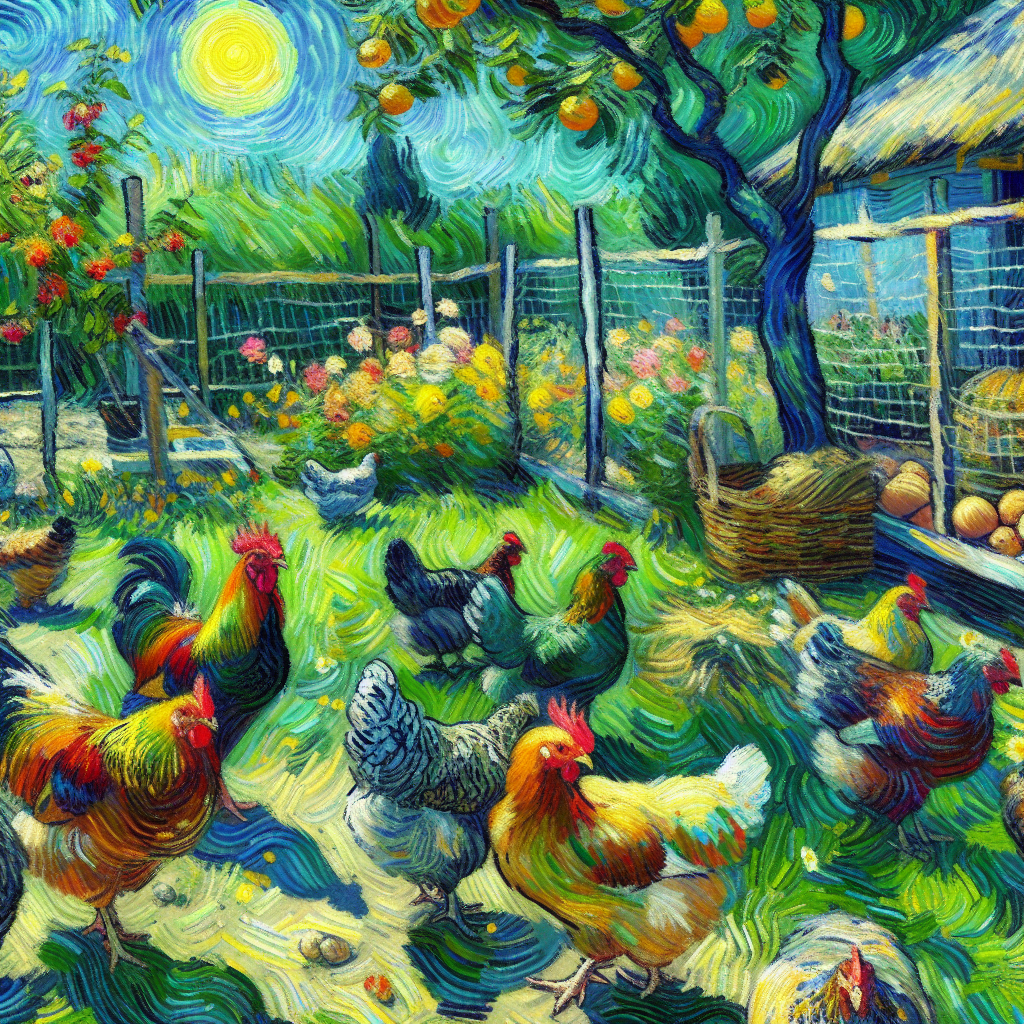
What Local Experts Can Guide Us In Eco-Gardening Initiatives?
What Local Experts Can Guide Us In Eco-Gardening Initiatives?
- Eco-gardening involves utilizing local expertise and community wisdom found in your backyard.
- Experienced gardeners offer invaluable insights into climate and soil, aiding sustainable practices.
- Working with neighbors fosters community bonds and an appreciation for local resources, like backyard chickens.
- Local experts promote ecological responsibility and sustainability for future generations.
- Their collective efforts aim to create green spaces that honor both nature and community.
- Eco-gardening is enriched by stories that connect generations, showcasing the cultural significance of gardening.
- Engaging with local gardeners encourages active participation in fostering environmental stewardship and change.

What Local Experts Can Guide Us In Eco-Gardening Initiatives?
How Can Sharing Gardening Experiences Build Stronger Community Ties?
There’s something about digging your hands into the earth that makes you feel connected—not just to the soil, but to the people around you. When you share gardening experiences, you’re not just sharing tips on how to grow the best tomatoes; you’re forging bonds that can transform a neighborhood. Imagine a community where residents gather, swapping stories about their backyard chickens, exchanging seeds, or showing off the fruits of their labor. It’s more than just shared interests; it’s about cultivating trust and camaraderie, deepening the roots of community life.
Think about it. In a world where technology often isolates us behind screens, gardening pulls us outside. We meet our neighbors face-to-face, engage in conversations that can range from laughable mishaps with pests to heartfelt stories of resilience. Each interaction is an opportunity to find common ground, to celebrate successes, or to brainstorm solutions to problems, whether it’s dealing with an unexpected frost or simply figuring out how to make the best compost.
The ethics of sharing gardening experiences go beyond just the act of tilling soil; they embody a belief in nurturing not only plants but also relationships. By fostering an environment where people feel safe to share, you encourage a culture of support. This mutual aid strengthens community ties—shouldn’t we lift each other up as we claim the land we stand on? When we grow together, we thrive together.
There’s authority in shared experience. That grandmother down the street who believes in planting by the moon phases or the local farmer who can teach a thing or two about crop rotation—they have wisdom that can guide novice and seasoned gardeners alike. Tapping into this expertise fosters a sense of belonging, showing newcomers that they’re not alone on this green journey.
Moreover, the benefits extend beyond our own yards. A thriving neighborhood garden can lead to reduced food deserts, local economy boosts, and increased property values. As we unite over our plants, we cultivate not just gardens but the very framework of a strong community.
So, grab that spade, join a workshop, or simply share your pride in those backyard chickens. Embrace the dirt, and through it, find the heart of connection—because every seed planted is a step toward building a brighter, stronger community.

How Can Sharing Gardening Experiences Build Stronger Community Ties?
How Can Sharing Gardening Experiences Build Stronger Community Ties?
- Gardening fosters connections not only with the soil but also with people in the community.
- Shared gardening experiences help to forge bonds and transform neighborhoods.
- Residents gather to swap stories, seeds, and celebrate their gardening successes.
- Face-to-face interactions through gardening encourage conversations and community engagement.
- Sharing gardening experiences nurtures both plants and relationships, fostering support and mutual aid.
- Experienced gardeners contribute their wisdom, providing guidance for newcomers and creating a sense of belonging.
- Thriving neighborhood gardens can lead to reduced food deserts, boost local economies, and increase property values.

How Can Sharing Gardening Experiences Build Stronger Community Ties?
What Compelling Stories Have Emerged From Community Eco-Classrooms?
In the heart of every community lies potential waiting to hatch, much like the eggs in a coop full of backyard chickens. These aren’t just feathered friends clucking about—they’re symbols of resilience and connection. Let’s take a stroll into the world of community eco-classrooms, where stories of transformation bloom like the vibrant vegetables nurtured in urban gardens.
Picture this: a group of kids, eyes wide with curiosity, are gathered around a compost heap, a mixture of laughter and the earthy scent of decomposing leaves filling the air. Here, they discover the magic of nature’s recycling program, learning that waste can become nourishment. They don’t just understand the science; they feel a deeper connection to the earth and each other. It’s about more than just soil and worms; it’s a revelation about their role in the ecosystem, a spark igniting a sense of stewardship that spills beyond the classroom into their homes and hearts.
Consider a single mother in a tough neighborhood. Struggling to make ends meet, she finds herself in one of these eco-classrooms. With every seed she plants alongside her children, she’s not only growing food but also cultivating hope. The community embraces her; they share tools, tips, and tales of triumph. These eco-classrooms teach them both practical skills and ethical values—sustainability and cooperation become as vital as reading and math to these families. When a community comes together to plant a garden, they’re sowing the seeds of trust and unity.
Let’s not overlook those backyard chickens. In a world where many feel disconnected from their food sources, raising these birds presents an opportunity for empowerment. Children learn responsibility and gain a profound respect for life as they care for these creatures. In turn, families share surplus eggs with neighbors, strengthening community bonds. It’s in these moments, as hands get dirty and laughter fills the air, where resilience truly thrives.
These stories echo throughout the streets and parks. They remind us that eco-classrooms aren’t just about environmental education; they are live, breathing narratives of connection, resilience, and action. They inspire us to dig deeper, plant our roots in our communities, and challenge the status quo. Because when we nurture our environment, we also nurture each other, laying the groundwork for a future that flourishes. Let’s not just hear these stories—let’s become part of them, actively sowing the seeds of change in our own backyards.

What Compelling Stories Have Emerged From Community Eco-Classrooms?
What Compelling Stories Have Emerged From Community Eco-Classrooms?
- Community eco-classrooms are havens of potential, akin to a coop of backyard chickens symbolizing resilience and connection.
- Children engage with nature by exploring compost heaps, learning about waste as nourishment and enhancing their relationship with the ecosystem.
- Single mothers in challenging neighborhoods find hope and support in eco-classrooms, cultivating both food and community bonds alongside their children.
- These classrooms impart practical skills and ethical values, emphasizing the importance of sustainability and cooperation.
- Raising backyard chickens teaches children responsibility and fosters respect for life while strengthening neighborhood connections through shared resources.
- Eco-classrooms embody narratives of connection, resilience, and action, motivating individuals to actively participate in their communities.
- Nurturing the environment leads to nurturing each other, establishing a foundation for a flourishing future together.

What Compelling Stories Have Emerged From Community Eco-Classrooms?
How Can We Measure the Educational Impact Of Backyard Gardens?
The clucking of backyard chickens isn’t just a delightful soundtrack to a sunny morning; it’s also a rich metaphor for the transformative power of backyard gardens. Picture a family, gathered around their humble plot, dirt under their nails and laughter in the air. It’s a beautiful scene, one that transcends mere aesthetics. Here, education unfolds organically, teaching lessons that no textbook ever could.
Let’s dig deep into this. At the heart of every garden lies the profound connection between life and environment. Children learn patience as they sow seeds, understanding that growth takes time, just like building relationships and mastering new skills. This isn’t just about carrots and tomatoes; it’s about cultivating resilience. Your average child isn’t just watering plants; they’re nurturing ambition, encouraged to embrace challenges—even when that first sprout fails to break through the soil.
But it’s not just instinctive wisdom that’s gleaned from the plots of dirt. The rational side of our brains recognizes the benefits as well. Studies show students engaged with hands-on gardening experiences often see marked improvements in academic performance, particularly in science and math. The garden becomes a living laboratory, illustrating concepts like photosynthesis or ecosystems in vibrant, tangible ways. It’s a fusion of education and life—a synthesis that turns mundane curricula into thrilling explorations.
As we navigate this nurturing ecosystem, we are reminded of the ethical responsibility we hold. Teaching kids to care for the earth fosters an awareness that extends beyond a single garden, inspiring future generations to champion sustainability. It’s no longer just about tending to their own backyard but, with those backyard chickens clucking happily away, sharing a message of stewardship that ripples through neighborhoods and communities.
Narratively, every garden has its own story, a unique tapestry woven from the threads of each family’s experiences. Imagine the tales told over fresh salads and heirloom tomatoes at dinner. Each meal becomes an educational tool, discussing what worked, what didn’t, and why it all matters. The social interactions that ripple through these experiences foster connection—between parents and children, neighbors, and even with the soil itself.
In essence, measuring the educational impact of backyard gardens conjures images of hands in the dirt, laughter around the family table, and the gentle guidance of nature in its inspiring simplicity. So, as we consider the educational legacy of our green thumbs, let’s champion backyard gardens—and their delightful chickens—as the heartbeats of learning in our communities.

How Can We Measure the Educational Impact Of Backyard Gardens?
How Can We Measure the Educational Impact Of Backyard Gardens?
- Backyard gardens provide a rich metaphor for transformation and education.
- Children learn patience and resilience by nurturing plants, mirroring life skills.
- Hands-on gardening experiences improve students’ academic performance, especially in science and math.
- The garden serves as a living laboratory for illustrating scientific concepts.
- Teaching kids to care for the earth fosters awareness and champions sustainability.
- Every garden tells its own story, enhancing family connections and social interactions.
- Backyard gardens are essential educational tools that inspire community learning and stewardship.

How Can We Measure the Educational Impact Of Backyard Gardens?
Conclusion
Transforming backyard spaces into eco-classrooms isn’t just a gardening trend—it’s a grassroots movement that taps into our universal desire for connection, education, and sustainability. Imagine a young child, dirt on their hands, marveling at a wriggling worm, or gathering eggs from backyard chickens. These experiences transcend inches of soil, planting lessons in responsibility, empathy, and the nurturing of life. Each seed nurtured symbolizes a journey of growth not only in plants but in the hearts of families cultivating their community identity and environmental consciousness.
Gardens blossom as vibrant ecosystems, serving as classrooms where crucial discussions about sustainability arise naturally. Here, neighbors come together, sharing tips on cultivating vegetables and nurturing animals, transforming a simple backyard into a sanctuary of knowledge and connection. This is about more than just applying a horticultural touch; it’s about engaging ethically with our surroundings and fostering a community spirit that respects and cares for our planet.
The therapeutic effects of digging in the dirt extend beyond physical cultivation; studies show that gardening enhances mental well-being. These connections foster resilience, creativity, and critical thinking in children who learn that perseverance is essential when seeds fail to sprout or pests invade. Families sit down over meals made from produce they’ve tended, sharing laughter and stories that connect their individual narratives to a broader communal tapestry.
The stories emerging from these eco-classrooms are powerful. They showcase the resilience of families and the transformative power of small acts, such as nurturing a garden or raising chickens. Each story weaves together the notions of environmental stewardship, social responsibility, and personal growth, encouraging a sense of accountability. By modeling sustainable practices, we inspire those around us, creating a ripple effect that extends beyond our own backyards.
So, that patch of earth behind your home isn’t just dirt—it’s a starting point for educational adventures and community building. Grab that trowel and dig into the journey ahead. Together, we can cultivate not only beautiful gardens but also deep-rooted connections that lead to a flourishing future, one seed at a time. Every garden has the potential to be a living classroom—an invitation to learn, grow, and thrive as interconnected stewards of our world.

Conclusion
Conclusion:
- Transforming backyards into eco-classrooms is a grassroots movement focused on connection, education, and sustainability.
- Children gain valuable lessons on responsibility, empathy, and nurturing life through hands-on experiences in gardens.
- Backyard gardens serve as vibrant ecosystems and spaces for community discussions on sustainability and ethical engagement with nature.
- Gardening positively impacts mental well-being, fostering resilience, creativity, and critical thinking in children.
- Families bond over meals made from their homegrown produce, weaving individual stories into a communal narrative.
- The stories from these gardens illustrate environmental stewardship and encourage accountability and sustainable practices.
- Backyards are seen as educational opportunities for community building and fostering deep connections for a flourishing future.

Conclusion
Other Resources

Other Resources
Here is a list of other resources you can review online to learn more:
- Dorking
- Wyandotte
- Colibacillosis
- flock raiser
- Easter Eggers
- Marsh Daisy
- Derbyshire Redcap
- Red Ranger
- Swedish Black Hen
- kale
- Orloff
- Quail Disease
- Austra White
- Red Sex Link
- Ameraucanas
- Sussex
Use This Prompt To Get More Resources With Your Favorite Online AI Tool: Please provide me with a list of online articles with their URLs in a bulleted list that I can read regarding Hands-On Science – Turning Backyard Gardens Into Eco-Classrooms

Other Resources
Glossary Terms
Hands-On Science – Turning Backyard Gardens Into Eco-Classrooms – Glossary Of Terms
1. Eco-Classroom: An outdoor learning space that incorporates environmental education and hands-on activities.
2. Biodiversity: The variety of plant and animal life in a particular habitat, essential for ecosystem health.
3. Composting: The process of recycling organic waste into nutrient-rich soil to enhance garden health.
4. Permaculture: A sustainable farming and gardening approach that mimics natural ecosystems.
5. Pollinators: Bees, butterflies, and other insects that help fertilize plants by transferring pollen.
6. Soil Health: The condition of soil in terms of its ability to sustain plant life and ecological functions.
7. Organic Gardening: Gardening that avoids synthetic fertilizers and pesticides, focusing on natural processes.
8. Plant Life Cycle: The series of stages through which a plant passes, from seed to maturity to reproduction.
9. Microclimate: A small, localized climate that differs from the surrounding area, often created by structures or vegetation.
10. Sustainable Practices: Techniques that promote environmental health, efficiency, and resource conservation.
11. Aeration: The process of loosening soil to allow air and water penetration, promoting root growth.
12. Hydroponics: A method of growing plants in nutrient-rich water instead of soil.
13. Native Plants: Plants that naturally occur in a specific region and are well-adapted to local conditions.
14. Rain Garden: A planted depression that collects rainwater, helping to reduce runoff and improve drainage.
15. Greenhouse Effect: The warming of Earth due to the trapping of heat by greenhouse gases in the atmosphere.
16. Invasive Species: Non-native plants or animals that disrupt local ecosystems, often outcompeting native species.
17. Sowing: The act of planting seeds in soil to grow new plants.
18. Photosynthesis: The process by which green plants convert sunlight into energy, producing oxygen as a byproduct.
19. Soil Erosion: The removal of the top layer of soil by wind or water, affecting plant health and land productivity.
20. Seed Savers: Individuals or groups that collect and preserve seeds from plants to enhance biodiversity.
21. Earthworms: Beneficial organisms that aerate the soil and contribute to organic matter through their castings.
22. Gardening Tools: Implements such as shovels, trowels, and rakes that assist in planting and maintaining a garden.
23. Ecosystem: A community of living organisms interacting with their physical environment.
24. Crop Rotation: The practice of alternating crops in a specific area to maintain soil fertility and reduce pests.
25. Green Manure: Cover crops grown to improve soil fertility when not otherwise in production.
26. Beneficial Insects: Insects that help control pests or promote plant health, such as ladybugs and lacewings.
27. Scavenger: A type of animal that feeds on dead plants and animals, contributing to decomposition.
28. Tilt: The angle of the earth’s axis, affecting seasonal patterns and climate conditions in gardens.
29. Watering Schedule: A plan to regularly provide plants with the appropriate amount of water based on their needs.
30. Outdoor Learning: Education that takes place outside the traditional classroom, utilizing nature and outdoor spaces for experiential learning.

Glossary Of Terms
Other Questions
Hands-On Science – Turning Backyard Gardens Into Eco-Classrooms – Other Questions
If you wish to explore and discover more, consider looking for answers to these questions:
- What are some specific projects or activities to engage children in eco-classrooms?
- How do backyard gardens contribute to mental health and well-being in communities?
- What steps should families take to start a sustainable garden at home?
- How can teachers integrate gardening into their curricula effectively?
- What challenges might families face when maintaining a backyard garden or raising chickens?
- How can local governments support community gardening initiatives?
- What types of plants are best suited for beginner eco-gardening?
- How can community gardens address food insecurity in urban areas?
- What role do local schools play in promoting eco-gardening efforts?
- How can technology enhance the gardening experience for children?

Other Questions
Haiku
Hands-On Science – Turning Backyard Gardens Into Eco-Classrooms – A Haiku
Dirt beneath our nails,
Garden whispers tales of growth—
Bonded by the green.

Haiku
Poem
Hands-On Science – Turning Backyard Gardens Into Eco-Classrooms – A Poem
In the embrace of gardens, hearts unite,
Where children play and futures ignite.
With dirt-stained hands, they learn to care,
Discovering life in each seed they bear.
Backyard classrooms, where laughter blooms,
Chickens cluck gentle, dispelling the gloom.
Lessons of nature unfold in the sun,
Teaching respect, responsibility—life’s never done.
From compost to rain gardens, each patch alive,
Through hands-on experiences, young minds thrive.
They ponder and question, why does it grow?
Curiosity nurtured, a fertile flow.
Neighbors gather, wisdom shared,
Stories exchanged where nobody’s scared.
In this vibrant space, connections take root,
Building a community, strong and astute.
Sustainable choices, ethical ties,
With every harvest, a heart that complies.
Joy in the journey, seeds of change sown,
Transforming lives, together we’ve grown.
So, roll up those sleeves, let’s dig and create,
A sanctuary of learning, a life we relate.
For in each backyard, there’s a narrative spun,
Of love, hope, and growth—together as one.

Poem
Checklist
Hands-On Science – Turning Backyard Gardens Into Eco-Classrooms – A Checklist
Gardening as Eco-Classroom: Heart, Head, and Gut Checklist
Emotional Appeals:
_____ Reflect on a childhood memory involving nature or gardening. How did it make you feel?
_____ Consider ways that nurturing plants can create joy and connection within your family.
_____ Imagine the sense of pride and accomplishment from a successful harvest shared with loved ones.
Rational Appeals:
_____ List the scientific concepts that gardening can teach (photosynthesis, ecosystems).
_____ Identify practical benefits of gardening for sustainability (composting, reducing carbon footprints).
_____ Explore the mental health benefits linked to gardening (reduced stress, improved mood).
Ethical Appeals:
_____ Evaluate your role as a steward of the environment through gardening practices.
_____ Discuss the importance of empathy and responsibility in caring for living beings (e. g. , backyard chickens).
_____ Consider how local gardening fosters community growth and ecological balance.
Authority Appeals:
_____ Seek out local experts or seasoned gardeners for knowledge and mentorship.
_____ Participate in community gardening workshops to learn sustainable practices.
_____ Follow credible sources or organizations focusing on sustainable gardening methods.
Narrative Appeals:
_____ Share personal stories related to gardening experiences or challenges.
_____ Compile anecdotes from local gardeners about their successes and learnings.
_____ Reflect on how gardening has created community bonds and collective memories.
Social Appeals:
_____ Host a neighborhood gathering focused on sharing gardening tips and produce.
_____ Encourage collaboration with neighbors to start a community garden.
_____ Join or create a gardening group to connect with like-minded individuals and build relationships.
Practical Steps:
_____ Set specific gardening goals (e. g. , start a vegetable patch, build a compost bin).
_____ Create a plan for involving your children in gardening activities.
_____ Track your garden’s progress and share updates with your community to inspire others.

Checklist
At BackyardChickenNews, we help people who want to raise backyard chickens by collating information and news blended with our own personal experiences.
Be sure to read our other related stories at BackyardChickenNews to learn more about raising chickens in your backyard.