

Creating Harmony: Maximizing Function And Aesthetics In Your Chicken Coop
By Tom Seest
At BackyardChickenNews, we help people who want to raise backyard chickens by collating information and news blended with our own personal experiences.
Be sure to read our other related stories at BackyardChickenNews to learn more about raising chickens in your backyard.
How to Balance Beauty and Utility In Your Backyard Flock
Picture this: a sun-drenched morning, the air filled with the gentle clucking of your backyard chickens, their feathers glistening in the light. These delightful creatures bring a touch of nature’s whimsy to our bustling lives. But let’s not kid ourselves; behind this charming façade lies a delicate balance between beauty and utility that any responsible flock owner ought to navigate.
Let’s start with the head—your logical side. You want a flock that produces eggs, sure, but the aesthetics can’t be ignored. Choosing breeds like the Orpington or the Ameraucana offers not just a bounty of eggs but a visual treat as well. These breeds are not only productive but also, let’s be real, quite attractive. Strategically positioning your coop and run in your backyard can enhance your landscape. Remember, a well-placed coop can become an art piece, seamlessly blending functionality with design.
Now, appeal to your heart—the emotional bond we form with our birds is profound. Each hen becomes not just a layer of eggs but a member of the family. When you watch them scratch and peck, you realize that their joyful antics bring a sense of peace and connection to your life. These backyard chickens provide not only nourishment but companionship. It’s no wonder that families gather around the coop, sharing moments of joy and laughter that money can’t buy.
From an ethical standpoint, consider the environmental impact of choosing local food sources. By raising backyard chickens, you’re not just cultivating a colorful patch of your yard; you’re playing your part in sustainable living. You’re fostering a sense of responsibility towards nature while educating your children about where their food comes from.
Socially, backyard chickens create a sense of community. They’re an icebreaker at weekend barbecues, a talking point with neighbors, and a source of pride for both you and your little ones. Imagine the joy of sharing fresh eggs with friends, knowing that something beautiful and useful emerged right from your backyard.
Balancing beauty and utility in your backyard flock means embracing the chaos of life—eggs on the counter, feathers on your clothes, laughter in the air. So go ahead, create that delightful haven, and let the chickens work their magic. With a little thought and care, you can cultivate a space that nourishes the soul while supporting you and your family with wholesome goodness.

How to Balance Beauty and Utility In Your Backyard Flock
How to Balance Beauty and Utility In Your Backyard Flock
- Morning scene with backyard chickens adds charm to daily life.
- Choosing aesthetically pleasing breeds like Orpington or Ameraucana offers both beauty and egg production.
- Strategic coop placement enhances landscape design while maintaining functionality.
- Emotional connection with chickens fosters a sense of peace and family bonding.
- Raising chickens contributes to sustainable living and educates children about food sources.
- Backyard chickens promote community interactions and pride through shared experiences.
- Balance between beauty and utility creates a joyful, nourishing environment for families.

How to Balance Beauty and Utility In Your Backyard Flock
Table Of Contents
- How to Balance Beauty and Utility In Your Backyard Flock
- What Makes a Beautiful Chicken Coop Truly Functional?
- Which Breeds Combine Aesthetic Charm with Practical Benefits?
- What Role Does Community Play In Achieving a Stunning and Useful Coop?
- Can Beauty In Our Pets Influence Our Well-Being and Happiness?
- How Can We Create A Visually Stunning Coop That Serves Its Purpose?
- What Features Make A Chicken Breed Both Beautiful And Productive?
- What Ethical Responsibilities Do We Have In Choosing Chicken Breeds?
- Conclusion
- Other Resources
- Glossary Of Terms
- Other Questions
- Haiku
- Poem
- Checklist
What Makes a Beautiful Chicken Coop Truly Functional?
When you think about a beautiful chicken coop, the aesthetic appeal might spring to mind first—the charming colors, the quaint design, the way it fits nicely into your backyard landscape. But to truly appreciate what makes a chicken coop beautiful, you must consider its functionality. A stunning structure is more than just an eye-catching façade; it must serve a purpose that transcends beauty.
Imagine stepping out into your yard, sunlight filtering through the trees, and your heart swells as you watch your flock of backyard chickens pecking contentedly at the ground. That scene isn’t just picturesque; it’s a testament to a well-designed coop that supports their health and happiness. A functional coop provides ample ventilation to keep those feathery friends cool in summer and warm during winter. It guards against predators with robust construction, ensuring that your chickens feel safe as they nest—or as some may say, it’s an ethical obligation to provide a secure environment.
Now, think about the practicality of your daily routine. A perfect layout means easy access for cleaning and gathering eggs, saving you precious time that could be spent nurturing other interests or connecting with your family. The rational side of raising chickens should not be overlooked; a functional coop can significantly reduce stress and enhance productivity. Collecting eggs should feel like a joyful ritual, not a burdensome chore.
Visualize connecting with your neighbors when they stop by and admire your setup. Share a story about your homegrown eggs, those bright yolks reflecting your commitment to sustainable living. It’s more than chicken farming; it’s about building a community around ethical and conscious choices. By showcasing your beautiful, functional coop, you become a silent ambassador for chicken stewardship and environmental awareness—one wooden plank at a time.
Combine all these elements, and you not only create a delightful space for your feathered companions but also forge a deeper connection to something larger than yourself. As you invest your resources and passion into making a chicken coop that balances beauty and functionality, you’re inviting trust not just in the structure, but in your choices, your values, and your place within this shared ecosystem. Take the leap—transform your backyard into a sanctuary for both you and your chickens.

What Makes a Beautiful Chicken Coop Truly Functional?
What Makes a Beautiful Chicken Coop Truly Functional?
- A beautiful chicken coop is not just about aesthetics, but also functionality.
- It supports the health and happiness of chickens with proper ventilation and predator protection.
- An efficient layout facilitates easy cleaning and egg gathering, saving time.
- A functional coop reduces stress and enhances productivity in raising chickens.
- Sharing stories about homegrown eggs fosters a sense of community and sustainable living.
- A well-designed coop symbolizes commitment to ethical practices and environmental awareness.
- The investment in a beautiful, functional coop deepens your connection to your ecosystem.

What Makes a Beautiful Chicken Coop Truly Functional?
Which Breeds Combine Aesthetic Charm with Practical Benefits?
When you think about combining aesthetic charm with practical benefits, few creatures can rival the simple allure of backyard chickens. These feathered friends bring more than just a pop of color to your property; they offer a deeper connection to nature, a dose of responsibility, and a touch of rustic charm that resonates with anyone who seeks purpose in their daily lives.
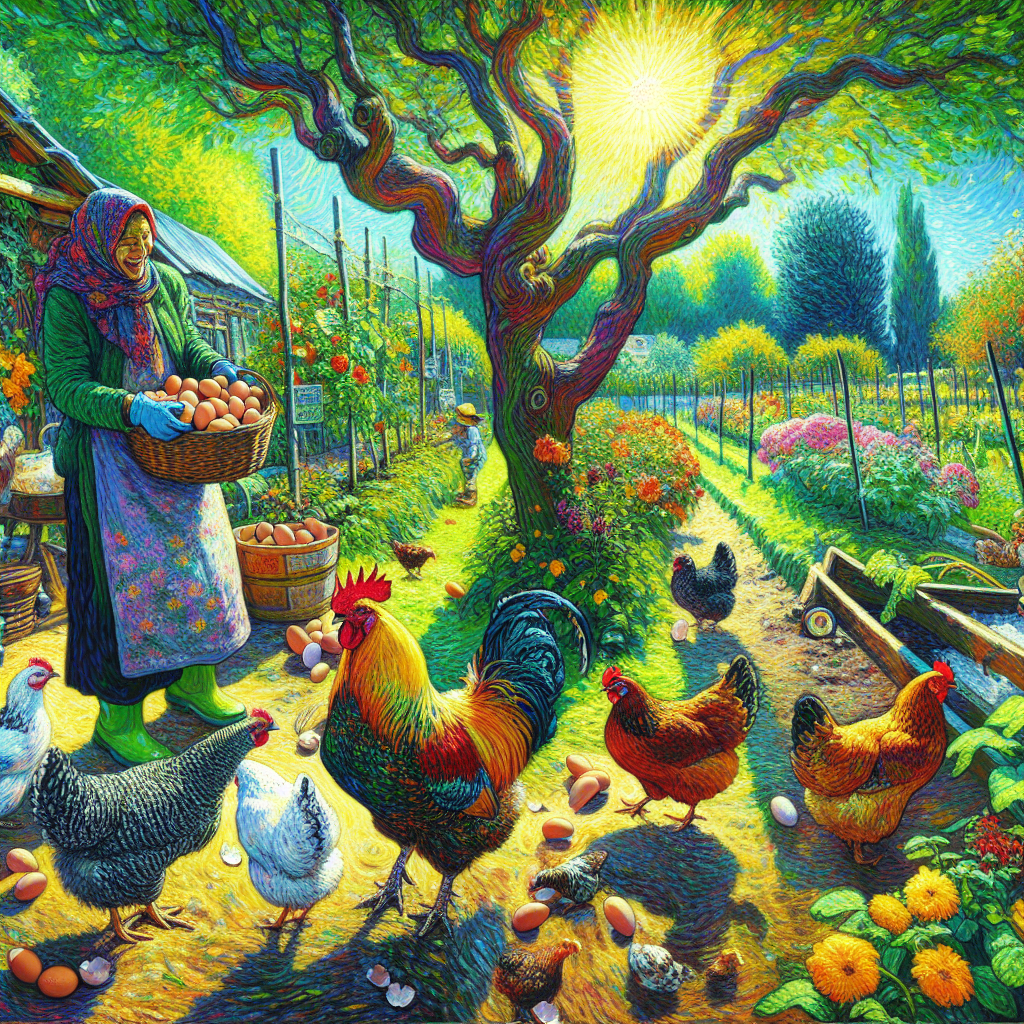
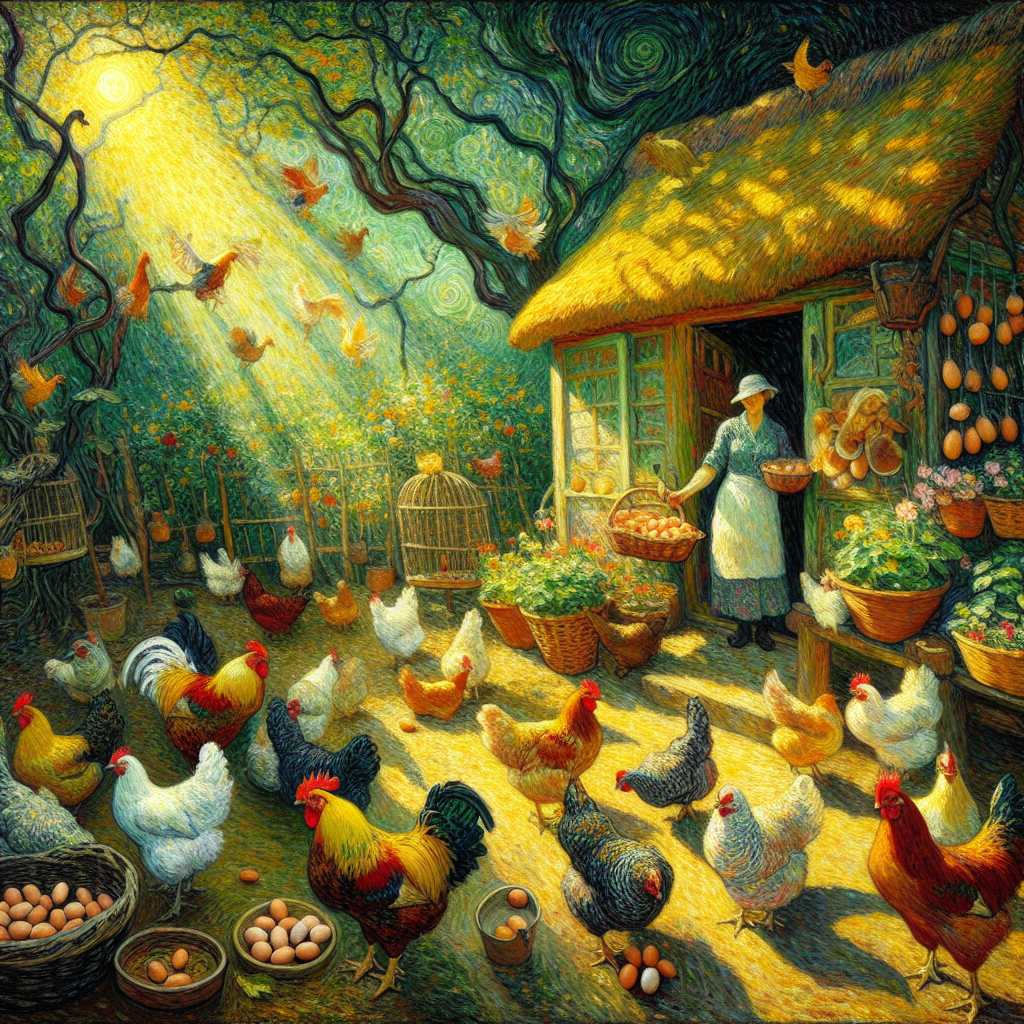
Picture this: it’s an early morning, the sun is just beginning to rise, and outside your kitchen window, a small flock of chickens is clucking softly as they greet the day. The sight is captivating, each bird proudly displaying its unique plumage—a reminder of the beauty in diversity. Whether it’s the soft golden hues of a Buff Orpington or the striking black and white patterns of a Plymouth Rock, they transform your backyard into a living canvas, displaying grace and personality. But they’re not just pretty faces; these birds offer practical benefits that resonate with our desires for sustainability and self-sufficiency.
Imagine cracking open an egg gathered just moments earlier from the warm nest of your prized hen. There’s a satisfaction that comes with knowing where your food comes from, a tangible connection to the cycle of life that grocery store eggs can’t replicate. Backyard chickens not only provide fresh eggs but also contribute to pest control by snacking on insects and even help turn kitchen scraps into nutrient-rich fertilizer. This duality of beauty and utility fosters a sense of stewardship and responsibility—a fundamental part of human nature that connects us to our past.
Many people shy away from chicken-keeping for fear of time or hassle. But with a bit of planning and care, these delightful birds can bring an enriching experience to your life. They encourage mindfulness, community engagement, and even healthier eating habits. Plus, sharing eggs with neighbors or friends can strengthen social bonds, building connections in an increasingly isolated world.
In a time when convenience often trumps connection, choosing to raise backyard chickens is a choice to embrace a simpler, more fulfilling way of life. It’s an invitation to cultivate not just eggs, but a greater appreciation for the beauty around us and the practical benefits that come from nurturing it. So, why not take the plunge? Let these feathered wonders enrich your life, one egg at a time.
Which Breeds Combine Aesthetic Charm with Practical Benefits?
Which Breeds Combine Aesthetic Charm with Practical Benefits?
- Backyard chickens combine aesthetic charm with practical benefits.
- They enhance the property with their beauty and provide a deeper connection to nature.
- Each chicken showcases unique plumage, adding vibrant diversity to your backyard.
- Chickens offer practical benefits, such as fresh eggs, pest control, and composting kitchen scraps.
- Raising chickens fosters a sense of stewardship and responsibility.
- Chicken-keeping encourages mindfulness, community engagement, and healthier eating habits.
- Choosing to keep chickens promotes a fulfilling lifestyle connected to nature and simplicity.
Which Breeds Combine Aesthetic Charm with Practical Benefits?
What Role Does Community Play In Achieving a Stunning and Useful Coop?
When you think about raising backyard chickens, you’re not just picturing the cluck of birds and the promise of fresh eggs. You’re envisioning a community—a backyard filled with laughter, the scent of warm sunshine, and the joy of connection. Community transforms mere activities into shared experiences. It’s the neighbors who lend a hand when you need to build your coop or the friends who come running at the first sight of a chick hatching. This kind of support doesn’t just make your journey easier; it enriches the experience, adding layers of meaning and structure that can elevate your coop from standard to stunning.
When you decide to embrace backyard chickens, you’re stepping into a tradition that speaks to our deepest instincts. It’s about nurturing life, sharing resources, and creating a sustainable future. You’re not simply tending to animals; you’re cultivating relationships. Conversations over fences about feed, coop designs, or the antics of your feathery friends foster bonds that can last a lifetime. These connections become the ethical backbone of your venture, reinforcing the idea that we are better together.
From an emotional standpoint, imagine the pride in sharing your first omelet made with eggs from your very own flock with friends gathered around your backyard table. It’s more than just breakfast; it’s a celebration of your hard work and of sharing that joy with others. Each egg symbolizes the community efforts that brought you to this moment, bringing a warmth that store-bought goods simply cannot replicate.
Rationally, community provides the wealth of shared knowledge and resources that can make or break your endeavor. Those who have walked the path before you can impart invaluable lessons on coop construction, chicken health, and pest management. No one person holds all the answers; it’s the accumulated wisdom of many that guides you to a useful and thriving coop.
Lastly, there’s a social responsibility to consider. When you choose to raise backyard chickens, you’re joining a movement of sustainability, animal welfare, and environmental consciousness. By connecting with local co-op groups, online forums, or social media circles, you amplify your voice and contribute to a larger dialogue about ethical food production.
In embracing your community, you’re not just building a coop; you’re crafting a legacy—a vibrant place for nature, connection, and meaningful relationships. Together, you and your community can create a stunning and useful coop that bears the fingerprints of everyone involved. In that shared space, joy multiplies, and so does the commitment to make the world a little better—one egg at a time.

What Role Does Community Play In Achieving a Stunning and Useful Coop?
What Role Does Community Play In Achieving a Stunning and Useful Coop?
- Raising backyard chickens fosters a sense of community filled with laughter and connection.
- Community support enriches the experience of chicken keeping, making the journey more meaningful.
- The practice of backyard chicken raising is rooted in traditions of nurturing life and sharing resources.
- Conversations with neighbors build lasting bonds, becoming the ethical foundation of the endeavor.
- Sharing meals made with home-produced eggs celebrates hard work and community collaboration.
- Community provides valuable knowledge on chicken care, coop design, and pest management.
- Participating in chicken raising promotes sustainability and ethical food production within local networks.
What Role Does Community Play In Achieving a Stunning and Useful Coop?
Can Beauty In Our Pets Influence Our Well-Being and Happiness?
When we talk about the beauty of our pets, we’re not just admiring their glossy coats or bright, inquisitive eyes. It goes deeper than that; it’s about the bond we share with these creatures and the joy they bring into our everyday lives. Think about it: when you watch your dog frolic in the yard or see your cat lounging in a sunbeam, there’s an undeniable charge of happiness. There’s a connection that has little to do with mere aesthetics and everything to do with how these animals invite us into their world.
But let’s be real; it’s not just about the heartstrings. There’s real science backing up this emotional connection. Research shows that pet ownership can lead to lower levels of stress, reduced anxiety, and even improved cardiovascular health. The simple act of petting an animal releases oxytocin—often dubbed the “love hormone.” With every stroke over their fur, we’re not just finding beauty; we’re fostering our own well-being. When we surround ourselves with the beauty of our pets, we fill our homes with joy and ourselves with a sense of purpose and belonging.
This brings us to a powerful ethical perspective. Owning a pet is not just a privilege; it’s a responsibility. When we take on the care of an animal, we commit to understanding their needs and providing a safe, loving environment. The beauty in our pets compels us to be better—better humans, better caregivers. It’s not about mere companionship; it’s a relationship built on trust, which undeniably enriches our lives.
Moreover, think about how sharing these experiences with others creates a community. Whether it’s swapping stories about mischievous backyard chickens or exchanging tips about grooming, this creates connections, sparking conversations that can brighten someone’s day. When we celebrate the beauty in our pets, we’re also celebrating our shared humanity.
Embrace the joy that your pets bring into your life. Don’t shy away from showcasing that beauty, whether it’s snapping a quick picture or sharing a funny moment with a friend. Let those experiences drive you to take a step back, appreciate the simple things, and truly grasp the impact these furry companions have on your happiness. They are, after all, more than just pets—they’re an integral part of our well-being journey, and every moment spent in their presence is a moment worth cherishing.

Can Beauty In Our Pets Influence Our Well-Being and Happiness?
Can Beauty In Our Pets Influence Our Well-Being and Happiness?
- The beauty of pets transcends physical attributes, reflecting the deep bond shared with them.
- Watching pets brings happiness and showcases the emotional connection beyond aesthetics.
- Scientific research links pet ownership to lower stress, reduced anxiety, and better cardiovascular health.
- Petting an animal releases oxytocin, enhancing our well-being and fostering joy.
- Owning a pet entails responsibility, emphasizing the need for care, understanding, and a loving environment.
- Sharing pet experiences creates community and connection among pet owners, enriching social interactions.
- Pets are integral to our well-being journey, and every moment with them should be cherished.
Can Beauty In Our Pets Influence Our Well-Being and Happiness?
How Can We Create A Visually Stunning Coop That Serves Its Purpose?
When it comes to creating a visually stunning coop that serves each chicken’s purpose, we’re not just slapping together some wood and wire; we’re crafting a home that embodies the heart and soul of raising backyard chickens. Imagine a structure that not only meets the practical needs of your feathered friends but also becomes a focal point in your yard, a testament to your commitment.
Crafting that coop starts with understanding the true needs of your flock. Consider the space, ventilation, and light—essential aspects of chicken happiness. Rational choices like adequate airflow and comfortable nesting boxes will lead to productive layers and healthy birds. Balance these functional elements with aesthetics: a splash of color, decorative shingles, or even quirky elements like a weathercock can turn utilitarian into enchanting.
Now, let’s sprinkle in some ethics. Building a coop that’s kind to our environment—a structure made from reclaimed materials or sustainably sourced wood—adds an extra layer of purpose. Not only are we providing a safe home for our chickens, but we’re also treading lightly on the Earth. It’s an ethical imperative that resonates with a growing community who values sustainability.
Telling the narrative of your coop can inspire others. Share your journey of trial and error, the second guessing and pride as you watch your chickens flourish in their new abode. Each nail hammered down and each post set in place tells a story of dedication, craftsmanship, and joy. Your experience can resonate with fellow backyard chicken enthusiasts, creating a sense of camaraderie, as they too set out to design their own stunning spaces.
Remember, it’s not just about aesthetics—it’s about fostering connection. Invite friends over to celebrate your backyard sanctuary. Share the egg bounty, discuss the joys and challenges of keeping chickens, and allow your coop to serve as a gathering spot, a community hub for those who have caught the chicken-keeping bug.
Building a visually stunning coop isn’t merely an act of construction; it’s a commitment to nurturing life, pursuing beauty, and engaging with our community. It’s a call to action for all who dream of raising backyard chickens. Jump in, get your hands dirty, and create a masterpiece your chickens—and you—will treasure for years to come.

How Can We Create A Visually Stunning Coop That Serves Its Purpose?
How Can We Create A Visually Stunning Coop That Serves Its Purpose?
- Creating a visually stunning chicken coop goes beyond basic construction, embodying the heart of raising backyard chickens.
- Understanding the true needs of chickens is essential, including space, ventilation, and light for their happiness.
- Balancing functionality with aesthetics can transform a utilitarian coop into an enchanting focal point in your yard.
- Building ethically using reclaimed or sustainably sourced materials contributes to environmental preservation.
- Sharing your coop-building journey can inspire other chicken enthusiasts and foster a sense of community.
- Invite friends over to enjoy the coop, share experiences, and celebrate the joys of keeping chickens.
- Building a coop is a commitment to nurturing life, beauty, and community engagement in backyard chicken raising.

How Can We Create A Visually Stunning Coop That Serves Its Purpose?
What Features Make A Chicken Breed Both Beautiful And Productive?
When it comes to the wonderful world of Raising Backyard Chickens, beauty and productivity often intertwine in surprising harmony. Picture this: a vibrant flock strutting about your yard, each bird a canvas of plumage and character. One glance at a well-bred Marans with her feathered feet or a radiant Golden Laced Wyandotte with her shimmering golden feathers, and you realize that the aesthetics of these creatures can evoke genuine joy. Their striking presence does more than please the eye; it invites a deeper connection to the nurturing cycle of life.
But let’s talk turkey—chickens can’t be just pretty faces. A truly beautiful breed must also be productive, providing fresh eggs and perhaps even delightful meat. The soft clucking and delightful demeanor of a reliable layer like the Rhode Island Red gives peace of mind, proving that their value extends beyond their charming looks. You’re not just raising chickens for their beauty; you’re investing in a sustainable source of nourishment that feeds both body and soul.
Consider the ethical dimension here. By choosing to raise chickens, you’re stepping into a garden of responsibility, contributing to local ecosystems and reducing your carbon footprint. Every time you gather those beautifully speckled eggs, you’re reaffirming a commitment to conscious living. This tangible action resonates with those yearning for a more sustainable lifestyle, turning your backyard into a valuable sanctuary.
We live in a time when everyone is searching for authenticity, for that tangible connection to the roots of food production. Sharing the experience of raising chickens with friends and family becomes a narrative of traditions rediscovered, making a home feel alive and interconnected. When you showcase a beautiful egg basket or a charming coop, you ignite conversations about food origins and share stories that cultivate community.
Finally, let’s not forget the head space—mindfully selecting breeds that are easy to care for, resilient, and adaptable to your climate can greatly enhance your experience. Investing in hearty breeds not only fosters a thriving backyard but also nurtures your backyard ecosystem, leading to healthier birds and higher productivity.
Raising backyard chickens is more than simply keeping livestock. It’s about embracing the beauty and bounty they bring into our lives, connecting us to the earth, our food sources, and each other in a meaningful way. Don’t hesitate—step into this rewarding adventure, and watch as your world becomes a richer tapestry woven with feathers, eggs, and memories.

What Features Make A Chicken Breed Both Beautiful And Productive?
What Features Make A Chicken Breed Both Beautiful And Productive?
- Raising backyard chickens offers a harmonious blend of beauty and productivity.
- Chickens like Marans and Golden Laced Wyandottes provide both visual joy and a connection to the cycle of life.
- Beautiful breeds also offer practical benefits, such as fresh eggs and meat, enhancing their value beyond looks.
- Choosing to raise chickens promotes sustainability and reduces one’s carbon footprint.
- Sharing chicken-raising experiences creates connections and conversations about food origins and community traditions.
- Mindful selection of resilient chicken breeds enhances the overall experience and backyard ecosystem.
- Raising chickens is a fulfilling adventure that enriches life through beauty, nourishment, and meaningful connections.

What Features Make A Chicken Breed Both Beautiful And Productive?
What Ethical Responsibilities Do We Have In Choosing Chicken Breeds?
Choosing chicken breeds is not just a backyard decision; it’s a commitment steeped in ethical responsibility that ripples through the lives of these remarkable creatures and the ecosystem around them. As we stand at the crossroads of countless chicken breeds, it’s crucial to remember that behind every feathered friend is a story—a legacy of survival, resilience, and companionship that stretches back millennia.
When we bring chickens into our lives, whether for eggs, meat, or simply for companionship, we embrace the duty to do right by them. Picture a bustling backyard filled with sunlight, clucking, and the soft rustle of feathers. In this idyllic setting, the breed we choose plays a pivotal role in determining the happiness and welfare of our flock. Breeds like the hardy Rhode Island Reds or the gentle Orpingtons can thrive in different environments, each with unique needs that must be respected. By opting for breeds suited to our climate and management practices, we act not only with our heads but with our hearts. We choose breeds that can flourish, avoiding unnecessary hardship and the stress that comes with poor adaptability.
Ethically, every responsible owner should acknowledge the impact of factory farming on our food system. Many breeds exist in the shadows of industrial production, bred for rapid growth rather than temperament or resilience. By selecting heritage breeds or local varieties, we support biodiversity and help preserve the traits that have defined chickens for generations. This isn’t just an act of kindness; it’s an expression of our deeper values because every chicken represents a thread in the fabric of our agricultural heritage.
Moreover, our choices send ripples through our community. When we champion humane practices and educate our neighbors about ethical sourcing, we inspire others to think critically about their own decisions. Backyard chickens are more than pets—they become ambassadors for a movement towards sustainable living and ethical eating. It’s about fostering connection within our communities and making informed choices that we can be proud of.
So as you scratch beneath the surface of chicken breeds, remember that this is more than a farming endeavor. It’s about relationships—between us, the land, and the animals. The choice you make today shapes the future of agriculture tomorrow. Let’s make it a choice worth clucking about!

What Ethical Responsibilities Do We Have In Choosing Chicken Breeds?
What Ethical Responsibilities Do We Have In Choosing Chicken Breeds?
- Choosing chicken breeds involves ethical responsibility that affects the lives of the chickens and the ecosystem.
- Every breed of chicken carries a legacy of survival, resilience, and companionship.
- Selecting the right breed impacts the happiness and welfare of your flock, as different breeds have unique needs.
- Choosing breeds suited to your climate and management practices helps avoid undue stress and hardship for the chickens.
- Supporting heritage breeds or local varieties helps preserve biodiversity and combat the negative effects of factory farming.
- Promoting humane practices and educating others can inspire community engagement toward sustainable living.
- Your choice of chicken breed influences not just farming, but also relationships between people, land, and animals, shaping the future of agriculture.

What Ethical Responsibilities Do We Have In Choosing Chicken Breeds?
Conclusion
Creating a backyard flock is more than just a hobby; it’s an opportunity to nurture beauty and utility in our lives. Imagine the picturesque backdrop of your garden alive with the gentle clucks and vibrant plumage of chickens, offering both aesthetic delight and practical eggs. However, achieving this harmonious blend calls for thoughtfulness and intention.
Let’s put our thinking caps on first. Choose breeds that not only lay eggs but also bring charm to your yard, like the striking Ameraucana or the lovely Orpington. The placement of your coop plays a significant role too. A well-situated coop can become an artistic element in your landscape—a structure that not only meets the needs of your feathered friends but also serves as a striking feature of your garden.
Now, let’s talk about the emotional connection. Each chicken transcends its role as just a provider of food; they become part of the family. Watching them scratch and frolic fosters joy and brings us closer to nature, creating moments of laughter and solace in our busy lives. These interactions make us realize that the rewards of raising chickens stretch beyond mere eggs—they cultivate companionship and bring families together.
From an ethical standpoint, having backyard chickens promotes sustainable living. You’re contributing to environmental health and teaching the next generation about agriculture and food sources. This sense of responsibility reinforces our bond with the natural world while encouraging mindfulness regarding food production.
Community also plays a vital role in this narrative. Raising chickens invites conversation with neighbors, inspires shared experiences, and fosters connections. Your coop can become a place of gathering, where friends exchange tales and fresh eggs, turning solitary tasks into shared joys. This social aspect transforms the simple act of chicken-keeping into a rich tapestry of relationships and stories.
So, embrace the beautiful chaos that comes with maintaining a backyard flock. Allow your coop to reflect both utility and artistry. With thoughtful choices and a commitment to nurturing connections—both with your chickens and the world around you—you can create a joyful space that nourishes not only your body but also your spirit. The journey of balancing beauty and utility in your backyard flock offers profound rewards, and every egg you gather serves as a reminder of the commitment you made to this delightful adventure. Step into this vibrant world, and let it unfold before you, enhancing the richness of your life, one feathered friend and fresh egg at a time.
Conclusion
Conclusion:
- Creating a backyard flock combines beauty and utility, enhancing our lives.
- Choose chicken breeds that lay eggs and add charm, such as Ameraucana or Orpington.
- The placement of the coop is essential for aesthetics and function in your garden.
- Chickens become family members, fostering joy and connection with nature.
- Raising chickens promotes sustainable living and teaches the next generation about food sources.
- Engaging with neighbors over chicken-keeping encourages community connections and shared experiences.
- Thoughtful management of a backyard flock brings both joy and deeper understanding of nature and food production.

Conclusion
Other Resources

Other Resources
Here is a list of other resources you can review online to learn more:
- leafy greens
- Oatmeal
- Breda
- Onagadori
- Sinusitis
- collard greens
- Egyptian Fayoumi
- Australorp
- Crevecoeur
- Infectious Coryza
- compost
- opossums
- owls
- Lavender Orpington
- Iowa Blue
Use This Prompt To Get More Resources With Your Favorite Online AI Tool: Please provide me with a list of online articles with their URLs in a bulleted list that I can read regarding How to Balance Beauty and Utility In Your Backyard Flock

Other Resources
Glossary Terms
How to Balance Beauty and Utility In Your Backyard Flock – Glossary Of Terms
1. Aesthetic: The visual appeal of the backyard space, including the arrangement of plants, birds, and structures.
2. Backyard Flock: A collection of domestic birds, such as chickens or ducks, raised in a residential yard for eggs, meat, or companionship.
3. Biodiversity: The variety of different species within an ecosystem; promoting diverse bird breeds and plants enhances beauty and ecosystem health.
4. Coop: A shelter designed for housing birds, providing protection from predators and harsh weather while contributing to the yard’s overall appearance.
5. Culling: The practice of removing certain birds from the flock, often to improve breed quality or manage space and resources.
6. Ecology: The study of interactions among organisms and their environment, essential for maintaining a balanced backyard ecosystem.
7. Flock Dynamics: The social structure and interactions within a group of birds, influencing their behavior and welfare.
8. Foraging: The act of birds searching for food, which can be encouraged by creating an engaging and natural environment in the backyard.
9. Free-Range: A method of keeping birds that allows them to roam outdoors, promoting their natural behaviors while enhancing yard aesthetics.
10. Habitat: The specific environment that provides the necessary resources for birds to thrive, including food, water, and shelter.
11. Integration: The successful combination of beauty and functionality in the design of the backyard space to accommodate birds and enhance its visual appeal.
12. Mulch: Organic material applied to soil to retain moisture and suppress weeds, contributing to the beauty and health of surrounding plants.
13. Perch: A raised structure for birds to rest on, which can be designed as a decorative feature in the yard.
14. Predator Protection: Measures taken to safeguard birds from natural predators, ensuring the safety and longevity of the flock.
15. Roosting: The practice of birds resting on elevated surfaces at night, which can be incorporated into the design of the coop or yard decor.
16. Sustainability: Practices aimed at maintaining a balanced ecosystem, including composting waste and using native plants to create a functional yard.
17. Thermal Regulation: The ability of birds to maintain body temperature, influenced by shelter design and placement in the yard.
18. Visual Harmony: The aesthetically pleasing arrangement of colors, shapes, and structures in a backyard, essential for both beauty and utility.
19. Water Source: A reliable supply of fresh water for drinking and bathing, crucial for the health of the flock.
20. Wildlife-Friendly: Elements in the backyard that support not only domestic birds but also local wildlife, promoting ecological balance.
21. Zoning: Dividing the backyard space into areas for different purposes, such as bird habitats, gardens, and recreational zones.
22. Nesting Boxes: Enclosed spaces provided for birds to lay eggs and raise young, which can be crafted to enhance yard aesthetics.
23. Crop Rotation: The practice of alternating plant types in garden areas to improve soil health and reduce pests, affecting utility and beauty.
24. Landscape Design: The art of planning outdoor spaces with consideration for aesthetics and functionality, crucial for a beautiful yard.
25. Organic Practices: Gardening methods that avoid synthetic chemicals, benefiting both plant life and the health of the flock.
26. Pet-Friendly: Ensuring that backyard designs accommodate both birds and any household pets, reducing stress and conflict.
27. Space Utilization: Efficient use of backyard dimensions for both bird habitats and landscaping, facilitating a harmonious setup.
28. Seasonal Planning: Preparing the yard for different seasons, considering aesthetic changes and bird needs throughout the year.
29. Plant Selection: Choosing flora that complements the flock and enhances beauty while providing food and habitat for birds.
30. Active Engagement: Encouraging hands-on interaction with the flock and the yard, fostering a connection between aesthetics and functionality.

Glossary Of Terms
Other Questions
How to Balance Beauty and Utility In Your Backyard Flock – Other Questions
If you wish to explore and discover more, consider looking for answers to these questions:
- What are the key features to consider when designing a chicken coop for both beauty and utility?
- Which chicken breeds are best for beginners who want a balance of aesthetics and productivity?
- How do seasonal changes affect the care and design of a chicken coop?
- What are some sustainable materials to use when building a chicken coop?
- Can you provide tips for maintaining a clean and beautiful chicken coop?
- How can I involve my children in the process of raising backyard chickens?
- What are the common challenges faced when integrating chickens into a community setting?
- How can backyard chickens positively impact local ecosystems?
- What role does chicken temperament play in choosing breeds for a backyard flock?
- Are there specific coop designs that enhance the aesthetic appeal while ensuring functionality?

Other Questions
Haiku
How to Balance Beauty and Utility In Your Backyard Flock – A Haiku
Feathers in sun’s glow,
Eggs and laughter fill the air—
Life’s simple treasures.
Haiku
Poem
How to Balance Beauty and Utility In Your Backyard Flock – A Poem
In a sunlit yard where chickens roam free,
Beauty and utility weave a tapestry.
Each feathered friend, a family delight,
Turning mundane mornings into sheer light.
With Orpingtons and Ameraucanas bright,
Eggs and charm intertwined in plain sight.
From the heart, they bring laughter and peace,
Nourishing souls with companionship’s feast.
Yet behind the joy lies a mindful quest,
For ethical choices that put them to rest.
A coop well-built, secure and sound,
In sustainability’s embrace, connections are found.
Community forms where laughter is shared,
Over fresh omelets, every effort declared.
Neighbors trade stories, wisdom flows sweet,
Creating a bond that feels ever complete.
The beauty of chickens, more than just looks,
A tapestry vibrant, with life’s printed books.
They teach us responsibility, care, and trust,
Cultivating life amidst the earth’s dust.
So as we gather our daily eggs bright,
Let’s honor our choices, let’s do what is right.
In the dance of nature, together we thrive,
Beauty and purpose—our hearts come alive.

Poem
Checklist
How to Balance Beauty and Utility In Your Backyard Flock – A Checklist
Checklist for Balancing Beauty and Utility in Your Backyard Flock
Emotional Appeals
_____ Reflect on the joy and companionship that your chickens bring into your life.
_____ Consider dedicating time each week to connect with your flock and appreciate their personalities.
_____ Visualize the peaceful moments shared around the coop with friends and family.
Rational Appeals
_____ Research and select chicken breeds that are both aesthetically pleasing and productive (e. g. , Orpingtons, Ameraucanas).
_____ Plan the layout of your coop and run for optimal functionality (e. g. , ease of access for cleaning and egg collection).
_____ Evaluate the coop’s design to ensure it meets the health needs of your chickens (adequate ventilation, safety from predators).
Ethical Appeals
_____ Choose breeds that thrive in your climate and management practices to minimize stress for the birds.
_____ Consider sustainable materials when constructing your coop (e. g. , reclaimed wood).
_____ Educate yourself and others about the importance of humane and responsible chicken-keeping.
Authority Appeals
_____ Consult experts or join local chicken-keeping groups for advice on best practices.
_____ Stay informed about the latest research on chicken care and environmental impacts.
_____ Share your experiences and insights to build your authority within the community.
Narrative Appeals
_____ Document your chicken-raising journey through photos and stories to inspire others.
_____ Share anecdotes of memorable moments with your chickens that highlight their charm and utility.
_____ Encourage neighbors to join you in this adventure, fostering a sense of community.
Social Appeals
_____ Host gatherings to showcase your beautiful coop and share fresh eggs with friends and family.
_____ Engage with neighbors to discuss chicken-keeping, fostering connections through shared interests.
_____ Participate in community events or online forums focused on sustainable living and backyard farming.
Practical Appeals
_____ Create a simple maintenance schedule for coop cleaning and care.
_____ List supplies needed for coop construction and chicken care to stay organized.
_____ Set aside regular time for community engagement and learning opportunities related to chicken-keeping.

Checklist
At BackyardChickenNews, we help people who want to raise backyard chickens by collating information and news blended with our own personal experiences.
Be sure to read our other related stories at BackyardChickenNews to learn more about raising chickens in your backyard.