

Unleash Your Curiosity: Connect With Heritage Birds Anytime, Anywhere
By Tom Seest
At BackyardChickenNews, we help people who want to raise backyard chickens by collating information and news blended with our own personal experiences.
Be sure to read our other related stories at BackyardChickenNews to learn more about raising chickens in your backyard.
Rare Breed Scanner – Discover Heritage Birds with Your Phone
In the age of technology, where every milestone in our lives can be tracked and shared, there’s a profound connection waiting to be tapped into right in the heart of our backyards. Imagine standing outside, the sun filtering through the leaves as you watch a flock of backyard chickens pecking and clucking. You pause, and with a simple scan of your phone, you’re transported into a world of history, heritage, and heart—thanks to the Rare Breed Scanner.
This isn’t just a gadget; it’s a bridge between generations. Think about it: each breed of chicken has a story, woven into the fabric of farming life. The first time I held a freshly laid egg, my grandfather shared tales of our family’s backyard flock. Those chickens weren’t just livestock; they were invaluable members of our household, each with quirks and personalities that shaped our days. They carried the legacy of our land and connections to those who came before us.
Now, with the Rare Breed Scanner, you can uncover similar stories in your own yard. Whether you’re a seasoned poultry enthusiast or new to the world of backyard chickens, this tool puts information at your fingertips, unraveling the rich histories and traits behind various breeds. It’s enlightening to learn that every feathered friend has unique qualities and roles, possibly tied to the very fabric of your community’s agricultural history.
But the magic doesn’t stop there. Beyond mere identification, this scanner fosters a communal spirit. When we understand our heritage birds, we also cultivate a sense of responsibility toward their preservation. Every time you scan a bird, you’re not just accessing data—you’re engaging in an ethical commitment to keep these breeds alive for future generations. It’s an act that echoes in the joy of children witnessing the wonders of nature firsthand, inspired to honor the past while nurturing the future.
More than just a technological leap, the Rare Breed Scanner becomes a conversation starter, a point of connection that weaves together personal narratives with communal aspirations. When friends and family gather around to chat about their backyard chickens, they’re also sharing stories of resilience, sustainability, and heritage. Each scan can become a doorway to deeper understanding and appreciation of our agricultural roots.
So, next time you step into your backyard, don’t just admire the clucking and scratching. Use your phone, discover the heritage, and share those stories. Connect with others who care, inspire action, and join in a movement that celebrates the life and legacy of rare breed birds—the unsung heroes of our backyards. That’s where the real adventure begins.

Rare Breed Scanner – Discover Heritage Birds with Your Phone
Rare Breed Scanner – Discover Heritage Birds with Your Phone
- The Rare Breed Scanner connects technology with the history of backyard chickens.
- Each chicken breed carries its own story, reflecting farming life and family legacies.
- The scanner allows users to explore the unique histories and traits of various chicken breeds in their own backyards.
- Understanding heritage birds promotes a sense of responsibility for their preservation.
- Each scan fosters conversations about resilience, sustainability, and agricultural heritage among families and friends.
- The scanner serves as a tool for inspiring future generations to connect with nature and their history.
- Engaging with the Rare Breed Scanner can lead to a movement that celebrates rare breed birds in our backyards.
Rare Breed Scanner – Discover Heritage Birds with Your Phone
Table Of Contents
- Rare Breed Scanner – Discover Heritage Birds with Your Phone
- What Emotions Do Rare Heritage Birds Evoke In Your Heart?
- How Do Heritage Birds Impact Biodiversity and Ecosystems?
- Is the Preservation Of Rare Breeds an Ethical Responsibility?
- How Can Experts Guide You In Identifying Heritage Bird Species?
- What Stories Do These Rare Breeds Tell About Our Past?
- Conclusion
- Other Resources
- Glossary Of Terms
- Other Questions
- Haiku
- Poem
- Checklist
What Emotions Do Rare Heritage Birds Evoke In Your Heart?
When we think of rare heritage birds, images of vibrant feathers and melodic calls fill our minds, resonating deep within our souls. These exquisite creatures connect us to nature in a profound way, evoking emotions that stretch beyond mere admiration. Picture stepping into your own backyard. You raise your arms to the sky, knowing the captivating tones of a rare songbird are just an earshot away. The simple act of raising backyard chickens, for example, introduces us to the delicate balance of nurturing life while witnessing the beauty of avian existence.
Consider the first time you catch sight of a rare bird gracing your garden. There’s an unspoken thrill, an electrifying sense of wonder that sets your heart racing. You’re reminded of childhood days spent chasing butterflies, the same excitement bubbling to the surface as you witness these feathered marvels. It’s in this moment that we realize that our connection to these birds is not just visual; it’s an emotional tapestry woven from threads of joy, nostalgia, and even a touch of longing.
Rethinking our relationship with these exceptional birds sheds light on the delicate balance of ethics and responsibility. We learn that heritage species, with their dwindling populations, serve not only as symbols of beauty but as reminders of our role as stewards of the environment. By choosing to support conservation efforts or cultivate a backyard haven for these rare birds, we contribute to a collective legacy, one that honors our natural world while forging a deeper connection to it.
This appeal to our rational side, a call to action, resonates powerfully. The act of protecting rare heritage birds transcends self-interest. It’s a testament to our shared humanity and commitment to future generations. Just as our ancestors raised unique breeds of chickens—each with its own story and personality—we carry forward this tradition not merely out of nostalgia, but out of a sense of duty to preserve the diversity of life on our planet.
In many ways, the emotions evoked by these extraordinary birds extend into the social realm, where they remind us of the beauty of community and shared passions. Scattered conversations at backyard gatherings transform into stories of discovery, the tales of finding a rare species echoing among friends. These exchanges foster connections that deepen our appreciation for the world around us, reinforcing the notion that we are not alone in our quest to embrace and protect the beauty in our midst. Through this shared journey, the emotional landscape we cultivate becomes richer, more vibrant, and undeniably intertwined with the rare heritage birds that touch our hearts and inspire our lives.
What Emotions Do Rare Heritage Birds Evoke In Your Heart?
What Emotions Do Rare Heritage Birds Evoke In Your Heart?
- Rare heritage birds evoke deep emotional connections and appreciation for nature.
- Raising backyard chickens exemplifies the nurturing of life and the beauty of avian existence.
- Catching sight of a rare bird brings thrill and nostalgia reminiscent of childhood experiences.
- Heritage species symbolize beauty and emphasize our responsibility as environmental stewards.
- Supporting conservation efforts contributes to a legacy that honors the natural world.
- The act of protecting these birds reflects shared humanity and commitment to future generations.
- Conversations about rare birds foster community connections and enhance appreciation for nature.

What Emotions Do Rare Heritage Birds Evoke In Your Heart?
How Do Heritage Birds Impact Biodiversity and Ecosystems?
In the quiet clucking of backyard chickens, one might hear the heartbeat of a larger story—a narrative woven into the fabric of biodiversity and ecosystem health. These heritage birds, often embraced with a mix of nostalgia and practicality, serve as living bridges connecting us to our agricultural roots while playing an essential role in the health of our local environments.
Picture this: a backyard, bustling with life, where the sun casts golden rays across a patch of earth. In one corner, chickens peck away at the ground, unearthing insects that would otherwise wreak havoc on your prized tomatoes. This simple act is more than just a daily routine; it’s a testament to a symbiotic relationship that thrives in the delicate balance of nature. These heritage birds help control pests, reducing the need for chemical interventions that can harm the very ecosystems we cherish.
Beyond their role in pest management, backyard chickens provide a lesson in sustainability. When we raise these birds, we engage in a circular economy. They consume kitchen scraps, turning waste into nourishment, while their droppings enrich the soil, fostering healthier gardens. This isn’t just about reducing waste—it’s about cultivating a mindset where each action is interconnected, promoting a more resilient local ecosystem.
Yet, the impact of heritage birds extends deeper than the earth they tread upon. Raising chickens invites a sense of community, a gathering place for neighbors to share tips, eggs, and stories. It’s a reminder that fostering biodiversity isn’t solely the work of scientists in white coats; it’s a gentle revolution that starts in our backyards, in our conversations over the fence. Each egg collected is a victory for local biodiversity, a small but significant step toward greater environmental empathy.
Moreover, the appeal of heritage breeds lies in their unique characteristics, adapting to local climates and feeding habits. They are a living testament to the history of our landscapes, preserving genetic diversity that industrial farming often overlooks. Each bird carries a story—of resilience, adaptation, and companionship—inviting us to reflect on our connection to the land and to each other.
Ultimately, as we embrace the imperfections and quirks of these chickens, we are reminded that nurturing biodiversity begins with recognizing our role in nature’s web. In choosing heritage birds, we’re not just opting for a sustainable food source; we’re becoming stewards of our ecosystems, champions of a narrative that reverberates through every cluck and scratch. This is an invitation to not only witness change but to become a part of it, fostering a richer, more diverse tapestry of life in our world.

How Do Heritage Birds Impact Biodiversity and Ecosystems?
How Do Heritage Birds Impact Biodiversity and Ecosystems?
- Backyard chickens symbolize a connection to biodiversity and ecosystem health.
- They help control pests, reducing the need for harmful chemical interventions.
- Raising chickens promotes sustainability by turning kitchen scraps into nourishment and enriching soil with manure.
- Chickens foster community, as neighbors share tips and resources.
- Heritage breeds preserve genetic diversity and adapt to local environments.
- Each chicken represents a story of resilience, inviting reflection on our relationship with nature.
- Choosing heritage birds enhances our role as stewards of ecosystems and biodiversity.
How Do Heritage Birds Impact Biodiversity and Ecosystems?
Is the Preservation Of Rare Breeds an Ethical Responsibility?
Is the Preservation of Rare Breeds an Ethical Responsibility?
In every corner of our lives, we encounter the extraordinary, often hidden in plain sight. Take a moment to consider the humble backyard chickens. For many, these feathered companions are far more than mere egg producers; they are a testament to our connection with nature, our past, and our own ethical responsibilities. The preservation of rare breeds isn’t just about saving a species; it’s about honoring a narrative that has shaped our agricultural landscape and our very identity as stewards of the earth.
Imagine walking into a backyard filled with splashes of color—various breeds of chickens clucking softly, each with its own personality and quirks. Each bird tells a story, one that transcends generations. These chickens link us to our ancestors, who relied on them for sustenance, companionship, and enjoyment. Their existence encourages us to cherish the diversity that nature offers and challenges us to reflect on the choices we make every day. It’s not just a responsibility; it’s an opportunity to nurture a legacy.
From a rational standpoint, preserving rare breeds contributes to biodiversity, which is essential for a resilient ecosystem. A monoculture poses a risk to our food supply; should a disease strike a single breed, the fallout could be catastrophic. By supporting the existence of diverse breeds, we are fortifying our agricultural backbone and ensuring our food systems remain robust and adaptable. Our emotional attachment to these breeds deepens when we consider the countless farmers and hobbyists who have dedicated their lives to nurturing these animals. Their stories are filled with passion, hard work, and a desire to protect what is swiftly disappearing from our farms and homesteads.
Perhaps the most compelling argument is this: every time we choose to support rare breeds, we actively participate in a movement larger than ourselves. We aren’t just preserving a chicken; we’re championing a cause that celebrates the values of self-reliance, sustainable living, and community. By encouraging backyard chicken cultivating, we’re inviting others into the fold—letting them experience the joy of watching their own flock grow, understanding animal husbandry, and embracing a sustainable lifestyle.
When we ask ourselves whether the preservation of these breeds is our ethical responsibility, the answer seems clear. It is a choice that speaks to our moral compass, whispers of our history, and beckons us toward a more conscientious future. In nurturing these rare breeds, we are not just caretakers of animals; we become custodians of a rich heritage, fostering a deeper connection with our food, our land, and each other.

Is the Preservation Of Rare Breeds an Ethical Responsibility?
Is the Preservation Of Rare Breeds an Ethical Responsibility?
- Preservation of rare breeds, like backyard chickens, connects us to nature and our ethical responsibilities.
- Each breed has its own story, linking us to our ancestors and promoting appreciation for biodiversity.
- Maintaining diverse breeds strengthens our agricultural systems and protects food supply against disease.
- Farmers and hobbyists dedicate their lives to nurturing rare breeds, highlighting passion and commitment.
- Supporting rare breeds fosters community values of self-reliance and sustainable living.
- Encouraging backyard chicken cultivation invites others to experience the joys of animal husbandry.
- The preservation of these breeds reflects our moral compass and deepens our connections to food and land.
Is the Preservation Of Rare Breeds an Ethical Responsibility?
How Can Experts Guide You In Identifying Heritage Bird Species?
When you step into the world of heritage bird species, it’s like opening a door to the past—a vibrant tapestry woven with stories, colors, and songs that have survived generations. Having an expert by your side can transform your journey from mere observation into a heartfelt exploration of the natural world. Imagine walking through a sunlit field, backyard chickens clucking nearby, while an experienced ornithologist shares the tales of each bird flitting from branch to branch, connecting you to a lineage that stretches far beyond what you see.
Experts don’t just provide information; they offer a gateway to understanding. They peel back layers of complexity to reveal the intricate relationships within our ecosystems. By explaining how heritage birds adapt and thrive in their environments, they enable us to appreciate the delicate balance of nature. This connection fosters a sense of responsibility—an ethical pang that nudges us to act as stewards of our natural heritage. Their authority, built over years of study and passion, instills confidence in our ability to recognize and appreciate these birds. As we learn to identify species based on their song, plumage, or habitat, we cultivate a sense of mastery that transforms us from passive observers to engaged advocates for biodiversity.
Consider this: An expert once shared a story about a community that breathed life into a neglected landscape by introducing heritage bird species. They not only restored a habitat but also revived a communal spirit, where neighbors united over the simple joy of watching these creatures thrive. It was more than just a conservation effort; it was a movement that rekindled connections among people—much like those backyard chickens that bring families together, whether serving as pets or a source of fresh eggs. This narrative resonates because it speaks to our inherent desire to belong and participate in something larger than ourselves.
Acting on this newfound knowledge not only enriches our lives but also enhances the well-being of our local ecosystems. By engaging with experts, we’re not just filling our heads with facts; we’re anchoring our hearts with purpose and igniting our guts with the instincts to protect our shared environment. So the next time you hear a chirp or see a flash of color in your backyard, remember that the voices of experts can guide us toward a deeper understanding, drawing us closer to both our feathered friends and our community. Through this journey, we not only honor the past but secure a legacy for future generations of bird lovers.

How Can Experts Guide You In Identifying Heritage Bird Species?
How Can Experts Guide You In Identifying Heritage Bird Species?
- Exploring heritage bird species connects us to a vibrant past rich with stories and colors.
- Having an expert enhances the experience from observation to heartfelt exploration of nature.
- Experts reveal intricate ecosystem relationships and showcase how heritage birds adapt to their environments.
- This knowledge fosters responsibility, encouraging stewardship of our natural heritage.
- Engaging with experts transforms observers into advocates for biodiversity through learning identification skills.
- Community efforts to restore habitats with heritage birds can rekindle social connections and shared joy.
- Acting on this knowledge enriches lives and promotes the well-being of local ecosystems for future generations.

How Can Experts Guide You In Identifying Heritage Bird Species?
What Stories Do These Rare Breeds Tell About Our Past?
When you think of rare breeds, images of exotic animals or far-off lands might pop into your head. But let’s take a moment to look closer to home, say, in your own backyard. Backyard chickens offer more than just fresh eggs; they are living links to our history, our culture, and our very roots. These remarkable birds bear witness to a time when self-sufficiency held a greater value than convenience—a time when the rhythm of life was tied to the land.
Consider the simple joy of collecting eggs from your coop. Each egg represents the sweat and toil of generations who farmed their land and lived off it, cultivating relationships with their animals and their environment. As you hold that warm, speckled egg in your hand, you’re not just experiencing a modern trend; you’re engaging with a legacy that dates back thousands of years. It’s a timeless tale of resilience and resourcefulness, echoing the stories of our ancestors who faced hardships, only to rise again with the dawn.
Backyard chickens, especially rare breeds, also reveal ethical choices we now face. In an era rife with mass production, every unique chicken nurtures a conversation about sustainability and biodiversity. When you choose to raise a rare breed, you’re casting a vote for agricultural diversity, a commitment to preserving the genetic tapestry of our food sources. It’s not just a hobby; it’s a statement grounded in ethics—a stand against the uniformity that can strip away our food culture.
The narrative extends beyond personal choice; it’s about community. Imagine sharing a story of success over the fence with your neighbor, swapping recipes and tips on caring for these wonderful creatures. When backyard chickens come into the conversation, suddenly you’re part of a larger narrative—a community built on shared values, histories, and aspirations for a sustainable future.
There’s also an element of authority in these rare breeds—they’ve survived adversity. From the rugged terrain to the unpredictable climate, each bird embodies a tale of endurance. Recognizing their struggles creates a connection; it reminds us that we, too, can learn from resilience. By investing our time and care into these animals, we not only preserve their stories but also enrich our own.
So, the next time you see a backyard chicken, think beyond the yolk. Embrace the stories they carry, the lessons they teach, and the richness they add to our lives. In every feather, every peck, and every cluck lies a powerful reflection of who we were, who we are, and who we aim to be.

What Stories Do These Rare Breeds Tell About Our Past?
What Stories Do These Rare Breeds Tell About Our Past?
- Backyard chickens provide fresh eggs and serve as links to history and culture.
- Collecting eggs symbolizes the labor and relationships of past generations.
- Rare breeds promote discussions on sustainability and biodiversity.
- Raising unique chickens supports agricultural diversity and ethical choices.
- Owning chickens fosters community engagement through shared experiences.
- Rare breeds exemplify resilience and survival against adversity.
- Backyard chickens represent rich life lessons and reflections on our identities.

What Stories Do These Rare Breeds Tell About Our Past?
Conclusion
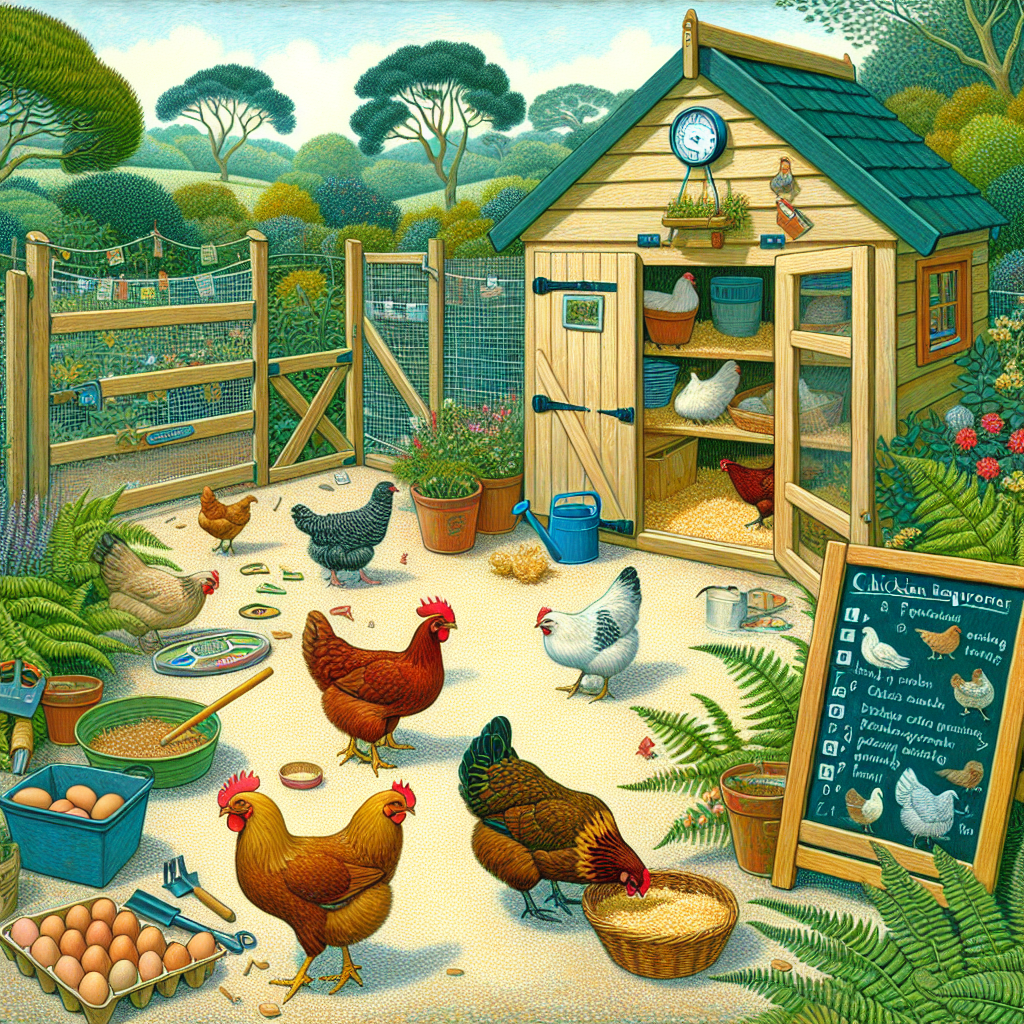
The Rare Breed Scanner not only offers a technological edge in identifying heritage birds but also serves as a profound connection to our agricultural past and shared humanity. Picture stepping into your backyard, watching chickens scratch the ground while holding the tool that unravels their histories and the stories intertwined with each breed. These chickens, each with distinct personalities, mirror the fabric of our lives, representing more than just egg-layers; they symbolize legacies, responsibilities, and the essence of communal life.
Engaging with heritage birds fosters an emotional resonance, reigniting a nostalgic appreciation for simpler times and the joys of nature. The thrill of witnessing a rare bird in your garden links us to childhood memories of exploring the outdoors, and encourages an intimate relationship with our environment. This connection delves deeper, reminding us that raising these breeds isn’t merely a hobby—it’s an ethical duty to preserve biodiversity and advocate for sustainable practices. Every scan with the Rare Breed Scanner not only identifies a bird but enhances our understanding and commitment to conservation, nurturing a collective legacy for future generations.
Moreover, these birds serve as conversation starters, uniting neighbors around shared interests and fostering community. Each egg collected becomes a symbol of sustainable living, blending personal joy with environmental stewardship. This is not just about preserving aesthetics; it’s about vibrant communal aspirations—an invitation to appreciate and protect our natural world.
As we explore our backyards with renewed curiosity, let us remember that the Rare Breed Scanner is a gateway. It connects us with our heritage, calls on us to embrace our role as stewards of both land and animal, and cultivates a richer narrative of resilience and respect for nature. Through shared stories, community engagement, and a commitment to sustainability, we not only celebrate the unique qualities of heritage birds but also strengthen the fabric of our society and nurture the environmental legacy we wish to pass on, ensuring that these extraordinary creatures continue to thrive alongside us. Now is the time to take action—let’s harness our curiosity, connect with our roots, and celebrate the unsung heroes in our backyards.
Conclusion
Conclusion:
- The Rare Breed Scanner helps identify heritage birds while connecting us to agricultural history.
- Observing chickens in our backyards evokes nostalgia and an appreciation for nature.
- Engaging with heritage birds promotes the preservation of biodiversity and sustainable practices.
- Using the scanner enhances our commitment to conservation and nurturing a collective legacy.
- Heritage birds foster community among neighbors through shared interests and discussions.
- Collecting eggs symbolizes sustainable living and environmental stewardship.
- The Rare Breed Scanner encourages curiosity, stewardship, and a deeper connection with nature.

Conclusion
Other Resources

Other Resources
Here is a list of other resources you can review online to learn more:
- Speckled Sussex
- apples
- Dominique
- Ameraucana
- Lavender Orpington
- Pullorum Disease
- Sicilian Buttercup
- Air Sac
- vegetation
- Rye
- centipedes
- owls
- Ulcerative Enteritis
- Golden Comet
- collard greens
- Buckeye
- Langshan
- Olive Egger
Use This Prompt To Get More Resources With Your Favorite Online AI Tool: Please provide me with a list of online articles with their URLs in a bulleted list that I can read regarding Rare Breed Scanner – Discover Heritage Birds with Your Phone
Other Resources
Glossary Terms
Rare Breed Scanner – Discover Heritage Birds with Your Phone – Glossary Of Terms
1. Rare breed — A domesticated bird breed with a small global or regional population that is at risk of decline or loss of genetic diversity.
2. Heritage breed — A traditional, long-established breed maintained for historical traits, genetic lineage, and cultural value.
3. Breed scanner — A mobile application feature that analyzes photos and data to suggest breed identities for individual birds.
4. Image recognition — Computer vision techniques used to detect and classify bird features from photographs.
5. Convolutional neural network (CNN) — A type of machine-learning model commonly used for image analysis and pattern recognition in bird identification.
6. Training dataset — A curated collection of labeled images and records used to teach the recognition model to identify breeds.
7. Annotation — The process of labeling images or records with breed, feature, location, and other metadata for model training.
8. Feature extraction — Automated identification of distinguishing visual attributes (plumage, comb shape, markings) used by the model to classify breeds.
9. Confidence score — A numeric estimate of how likely the scanner’s prediction is correct, often expressed as a percentage.
10. False positive — An incorrect breed identification where the scanner reports a match that is not actually present.
11. False negative — A missed identification where the scanner fails to recognize a breed that is present.
12. Metadata — Supplementary information attached to a record or image, such as date, location, camera settings, and submitter notes.
13. Geotagging — Embedding geographic coordinates in an image or record to document the precise location of a sighting.
14. Timestamping — Recording the date and time of a photo or observation to support provenance and seasonal analyses.
15. Citizen science — Public participation in collecting and submitting bird observations to expand the dataset and monitor populations.
16. Crowdsourcing — Gathering identifications, verifications, or annotations from a broad user community to improve accuracy.
17. Peer verification — Confirmation of an identification or sighting by other users or expert reviewers to increase reliability.
18. Breed registry — An organized record-keeping body that documents pedigrees, breed standards, and registered individuals.
19. Pedigree — The documented lineage of an individual bird used to verify breed purity and ancestry.
20. Genetic diversity — The variety of genetic traits within a breed population, important for health and resilience.
21. Inbreeding coefficient — A statistical measure of how genetically related an individual’s parents are, indicating potential inbreeding.
22. Outcrossing — The deliberate mating of unrelated individuals or different lines to increase genetic diversity.
23. Phenotype — The observable physical traits of a bird (color, size, comb type) resulting from genetics and environment.
24. Plumage pattern — The arrangement, coloration, and markings of a bird’s feathers used as key identification cues.
25. Comb and wattles — External fleshy structures on a bird’s head and throat whose shape and color help distinguish breeds.
26. Leg and beak characteristics — Attributes such as color, scale pattern, and shape that aid breed differentiation.
27. Molt cycle — The seasonal pattern of feather replacement that affects appearance and can influence identification timing.
28. Provenance — Documented origin and ownership history of a bird that supports claims of heritage status.
29. Conservation status — An assessment of a breed’s risk level (e. g. , critical, endangered, watch) based on population data and trends.
30. Biosecurity — Practices and protocols to prevent disease transmission and protect rare-breed flocks during observation, transport, or exchange.
Glossary Of Terms
Other Questions
Rare Breed Scanner – Discover Heritage Birds with Your Phone – Other Questions
If you wish to explore and discover more, consider looking for answers to these questions:
- What exactly does the Rare Breed Scanner identify?
- How accurate is the scanner at identifying breeds?
- Which species and specific breeds are supported?
- Does the scanner identify chicks, juveniles, and moulting birds?
- How does the scanner perform identification — photos, sound, or both?
- Does the app work offline or does it require an internet connection?
- How quickly does the scanner return results?
- What information does each scan provide (history, traits, rarity, care needs)?
- Are identification results reviewed or verified by experts?
- Can users submit scans for expert validation or community review?
- How is user data, photos, and location information stored and protected?
- Is location data shared publicly or with conservation organizations?
- Can I share scan results on social media or within in-app communities?
- Does the app include conservation status, population trends, or rarity rankings?
- How can my scans contribute to conservation or citizen science efforts?
- Does the scanner integrate with existing breed registries or conservation databases?
- How can I ethically and legally source rare breed birds?
- Does the app provide guidance on biosecurity and animal welfare for backyard keepers?
- Are there breed-specific care guides, feeding recommendations, or housing tips?
- Can the scanner distinguish between purebreds and crossbreeds or hybrids?
- When is genetic testing recommended versus app-based identification?
- Does the app provide historical and cultural background for each breed?
- Who maintains the breed database and how often is it updated?
- Is there a built-in community forum, local groups, or expert network?
- Are there subscription fees, in-app purchases, or premium features?
- Which devices and operating systems are supported?
- Is the app available in multiple languages and accessible formats?
- Are there educational tools for schools, children, or new keepers?
- Can the app connect me with local breeders, heritage programs, or conservation organizations?
- How does the app verify the provenance of birds listed for sale or adoption?
- What safeguards prevent misuse of data for poaching or illegal trade?
- How can I report a rare, injured, or illegally kept bird I encounter?
- What measurable impact does preserving rare breeds have on local biodiversity and food security?
- How can I get involved in breed preservation initiatives promoted by the app?
Other Questions
Haiku
Rare Breed Scanner – Discover Heritage Birds with Your Phone – A Haiku
Heritage birds call out,
Roots in soil, hearts intertwined,
Legacy they share.

Haiku
Poem
Rare Breed Scanner – Discover Heritage Birds with Your Phone – A Poem
In a world of screens, where moments fly,
In backyards lush, let heritage sigh,
Rare breeds of birds, stories unfold,
With just a scan, connect to the old.
Chickens cluck softly, heirs to the land,
Each feather a tale, each egg in hand,
They bridge generations, a legacy shared,
In nurturing life, we’re lovingly bared.
From histories woven in fabric of time,
To future commitments, both yours and mine,
Every scan echoes an ethical call,
To preserve these breeds, we rise, we enthrall.
Imagine the joy in the songs that they sing,
In vibrant colors, the pasts offerings bring,
They speak of resilience, community bonds,
In gatherings of neighbors, our spirit responds.
Through sustainable acts, in unitys name,
We foster a movement, igniting the flame,
With our hearts and our minds, let our actions align,
To cherish these treasures, in earths design.
In chickens, we find a purpose renewed,
An ethical journey, our values imbued,
For in every clucking and scratch on the ground,
Resides a connection, profound and unbound.

Poem
Checklist
Rare Breed Scanner – Discover Heritage Birds with Your Phone – A Checklist
Emotional Appeals
✅______ Reflect on personal memories associated with backyard birds.
✅______ Consider the joy of connecting with nature through heritage breeds.
✅______ Share stories that evoke nostalgia about family traditions related to farming and livestock.
Rational Appeals
✅______ Research the unique characteristics of different heritage breeds.
✅______ Understand their role in supporting biodiversity and ecosystem health.
✅______ Explore the benefits of sustainable farming practices associated with raising heritage birds.
Ethical Appeals
✅______ Acknowledge the responsibility of preserving rare breeds for future generations.
✅______ Reflect on the importance of ethics in food production and animal stewardship.
✅______ Consider your role in promoting conservation efforts within your community.
Authority Appeals
✅______ Learn from experts about identifying and caring for heritage bird species.
✅______ Attend workshops or seminars led by poultry enthusiasts or ornithologists.
✅______ Consult reputable resources for best practices in raising backyard chickens.
Narrative Appeals
✅______ Share personal or community stories about the positive impact of heritage birds.
✅______ Celebrate the legacy of local farming traditions and their significance in your area.
✅______ Encourage storytelling gatherings that focus on experiences with backyard birds.
Social Appeals
✅______ Connect with neighbors or local groups interested in heritage bird cultivation.
✅______ Host community events or discussions focused on the cultural importance of rare breeds.
✅______ Engage in social media groups to exchange tips, experiences, and stories about raising heritage birds.

Checklist
At BackyardChickenNews, we help people who want to raise backyard chickens by collating information and news blended with our own personal experiences.
Be sure to read our other related stories at BackyardChickenNews to learn more about raising chickens in your backyard.