

Harmonious Homesteading: A Holistic Approach To Sustainable Living
By Tom Seest
At BackyardChickenNews, we help people who want to raise backyard chickens by collating information and news blended with our own personal experiences.
Be sure to read our other related stories at BackyardChickenNews to learn more about raising chickens in your backyard.
Closed Loops and Open Skies – Living Sustainably with Chickens
When you step into a yard filled with backyard chickens, you’re not just entering a space cluttered with feathers and clucks—you’re crossing into a world woven together by nature’s own intricate design. These beautiful creatures do a lot more than lay eggs; they play a vital role in creating nutrient-rich compost, controlling pests, and even providing a heartwarming connection to something greater than ourselves.
Imagine waking up each morning, the sun peeking over the horizon, and stepping outside to greet your feathered friends. Their soft chatter is a friendly morning call, a reminder of the gentle life unfolding around us. Here lies a simple truth: raising chickens fosters an intimate connection with nature and the cycles that sustain us. It’s not just about eggs or meat; it’s about being part of a system that supports the land and encourages responsible living. You’re not merely a consumer; you become an active participant in a closed loop—a vital thread in the tapestry of sustainability.
Consider the ethical implications of this lifestyle. By taking control of your food production, you’re standing against the industrial farming practices that often prioritize profit over well-being. Each cluck is a vote—a commitment to a more humane treatment of animals and a simultaneous rejection of unsustainable practices. When you provide a clean home and nutritious scraps, you’re investing in the health of your chickens, your family, and the planet.
The practicality of keeping chickens also appeals to our rational side. They’re efficient little recyclers, turning kitchen scraps into protein-packed eggs and natural fertilizer. In a world grappling with wastefulness and dwindling resources, this simple act can resonate on a community level. Imagine children learning responsibility as they help care for these animals, friendships blossoming through shared experiences, and neighbors gathering to trade fresh eggs.
Ultimately, embracing the journey of living sustainably with chickens invites each of us to reconnect—deep down, we’re all craving that bond with nature, community, and our food systems. By taking the leap into chicken ownership, you’re not just making a choice; you’re inspiring those around you. You’re planting the seeds of change and trust in a healthier, more sustainable future. So, why not spread your wings? In raising chickens, you’ll find a piece of the world that is both nourishing and transformative.

Closed Loops and Open Skies – Living Sustainably with Chickens
Closed Loops and Open Skies – Living Sustainably with Chickens
- Backyard chickens contribute to a complex natural ecosystem beyond just laying eggs.
- They help create nutrient-rich compost and control pests, enhancing sustainability.
- Raising chickens fosters a deep connection with nature and supports responsible living.
- The lifestyle promotes ethical food production against industrial farming practices.
- Chickens convert kitchen scraps into eggs and natural fertilizer, promoting efficiency.
- Community engagement grows through shared experiences and education around chicken care.
- Embracing chicken ownership inspires sustainable change and reconnects individuals with nature.

Closed Loops and Open Skies – Living Sustainably with Chickens
Table Of Contents
- Closed Loops and Open Skies – Living Sustainably with Chickens
- How Can Chickens Contribute to a Sustainable Home Ecosystem?
- What Are the Benefits Of Closed-Loop Systems for Your Garden?
- What Role Can Local Communities Play In Promoting Sustainable Living?
- How Can Chicken Waste Enhance Soil Health and Reduce Our Footprint?
- What Challenges Do You Face When Integrating Chickens Into Your Life?
- How Do Ethical Concerns Shape Our Choices In Sustainable Living?
- What Resources Are Available for First-Time Chicken Keepers?
- Conclusion
- Other Resources
- Glossary Of Terms
- Other Questions
- Haiku
- Poem
- Checklist
How Can Chickens Contribute to a Sustainable Home Ecosystem?
Imagine waking up to the soft clucks of your backyard chickens, a gentle reminder that sustainability is just outside your door. Raising chickens isn’t just a trend; it’s an invitation to become an integral part of a thriving ecosystem. Those feathery friends of yours don’t just provide eggs; they offer a tangible connection to the land and an opportunity to embrace a simpler, more sustainable lifestyle.
Backyard chickens are the heart of a home ecosystem. They contribute to garden health by spreading nutrients through their manure, transforming waste into rich compost that nourishes your plants. As they scratch and peck, they aerate the soil, helping to create a vibrant, thriving environment where life flourishes. Every time you gather fresh eggs from your coop, it’s not just a breakfast delight; it’s a testament to your role as a caretaker of the earth.
From a rational standpoint, raising chickens can significantly reduce your grocery bills and dependence on industrial agriculture. In a world where food production often leaves a hefty carbon footprint, keeping chickens allows you to produce your own food right at home. It’s an empowering choice, one that can help you understand where your food comes from and how it impacts the environment. You’re not just saving money; you’re consciously choosing to reduce waste and support sustainable practices.
Ethically, introducing backyard chickens into your life promotes animal welfare. Instead of supporting mass farming where chickens live in cramped conditions, you have the power to cultivate a humane and comfortable environment for your birds. You can teach your family about responsibility, empathy, and respect for all living beings. This is more than a hobby; it’s a way of nurturing values that matter.
On a social level, think of how sharing your backyard bounty with neighbors can strengthen community ties. Imagine spontaneous gatherings where you swap eggs for homegrown herbs or vegetables. You’re not just raising chickens; you’re fostering connections that make your neighborhood a tighter-knit community, full of trust and collaboration.
So, why not step into the world of backyard chickens? With every cluck, they remind us that sustainability starts at home, that each small decision contributes to a larger change. You have the chance to cultivate not just a yard, but a life that celebrates coexistence, responsibility, and community. Embrace the opportunity, and watch your sustainable ecosystem flourish.

How Can Chickens Contribute to a Sustainable Home Ecosystem?
How Can Chickens Contribute to a Sustainable Home Ecosystem?
- Waking up to backyard chickens symbolizes sustainability and connection to nature.
- Chickens improve garden health by providing nutrients through manure and aerating the soil.
- Raising chickens can lower grocery bills and reduce dependence on industrial agriculture.
- Keeping chickens empowers you to understand food production and its environmental impact.
- Backyard chicken raising promotes animal welfare and cultivates responsibility and empathy.
- Sharing chicken products with neighbors strengthens community ties and fosters collaboration.
- Embracing backyard chickens encourages a lifestyle of coexistence, responsibility, and sustainability.

How Can Chickens Contribute to a Sustainable Home Ecosystem?
What Are the Benefits Of Closed-Loop Systems for Your Garden?
When you think about the humble act of gardening, consider the beauty and abundance it can bring to your life. Closed-loop systems are not just an eco-friendly trend; they’re a transformative approach that can elevate your garden to new heights. Embracing this method means bringing balance back to nature, and trust me, there’s something profoundly rewarding about working with the earth rather than against it.
Imagine a system where your compost tumbler quietly turns kitchen scraps into nourishment for your plants. It feels like alchemy, turning waste into life. The benefits of closed-loop systems resonate deeply: not only do they reduce the need for chemical fertilizers, but they rejuvenate the soil and encourage a flourishing ecosystem. By using your own compost, you’re fostering the kind of health in your garden that store-bought products can’t replicate. You feel the connection as you watch your plants thrive on the very scraps of your everyday life.
Let’s chat about those backyard chickens. Some might initially balk at the idea of keeping chickens, but these feathery little friends are a powerhouse for your garden. They provide you with fresh eggs, sure, but they also enrich your compost pile and help with pest control. Each chicken is a piece of a larger puzzle, turning your gardening effort into a vibrant, self-sustaining ecosystem. You become a steward of your space, and there’s nothing quite like the satisfaction of knowing your work directly contributes to your family’s table.
Now, think of the ethical implications of closed-loop systems. You’re not just gardening; you’re making a statement about sustainability and responsibility. By committing to these practices, you align with a growing ethical movement that prioritizes the health of our planet. It taps into a community of like-minded folks who share the same value for environmental stewardship, making you part of something bigger.
And while you’re digging in the dirt, consider that this is about more than just a few plants. You’re engaging in an act of love—for yourself, for your family, and for future generations. Closed-loop systems offer not just efficiency but a deep-rooted connection to nature and our food sources. Get ready to cultivate trust—not just in what you grow but in the process. By nurturing your garden in this sustainable way, you’re fostering hope for the future, one seed at a time. Embrace it; the ground is calling!

What Are the Benefits Of Closed-Loop Systems for Your Garden?
What Are the Benefits Of Closed-Loop Systems for Your Garden?
- Gardening offers beauty and abundance, enhancing life through closed-loop systems.
- Closed-loop methods bring balance to nature, turning waste into nourishment through composting.
- The approach reduces the need for chemical fertilizers, rejuvenates soil, and encourages ecosystems.
- Backyard chickens provide fresh eggs, enrich compost, and assist with pest control, contributing to a self-sustaining garden.
- Engaging in closed-loop gardening reflects a commitment to sustainability and responsibility, connecting with an ethical movement.
- The practice promotes environmental stewardship and builds community with like-minded individuals.
- Closed-loop systems create a deep-rooted connection to nature and food sources, fostering hope for future generations.

What Are the Benefits Of Closed-Loop Systems for Your Garden?
What Role Can Local Communities Play In Promoting Sustainable Living?
Picture this: you’re sipping coffee on a sunny Saturday morning, the gentle sound of clucking filling the air. It’s not just a rural dream—this is a reality for many folks who have taken a small step towards sustainable living by raising backyard chickens. These feathery friends don’t just provide fresh eggs; they create a bond within the community, showcasing how individual actions can ripple through our neighborhoods.
When local communities embrace the idea of sustainability, they aren’t just participating in a trend; they’re nurturing a lifestyle rooted in connection, responsibility, and ethical living. Starting a community garden can bridge generations—grandparents sharing their secrets of heirloom seeds with eager grandchildren while fostering a sense of pride in shared harvests. This hands-on approach isn’t just about getting your hands dirty; it’s about digging deep into our human experience, cultivating relationships, and understanding the roots of our food.
Now, let’s talk about the head. The facts are clear: local initiatives reduce carbon footprints, enhance biodiversity, and promote healthy living. When communities band together to implement recycling programs, composting initiatives, or even educational workshops on sustainable practices, they’re not just generating greener practices but also creating livelihoods. Such collective actions showcase the real authority of community power—the ability to turn small, individual efforts into something monumental. It’s like how a single chicken lays eggs, but together, a flock can support an entire neighborhood’s breakfast table, leading to less food waste and more smiles.
And don’t forget the gut—the visceral response you feel when you engage in something meaningful. Picture the joy of sharing your homegrown tomatoes with neighbors or swapping homemade jams at a local market. These moments build trust and foster a sense of belonging, where each member feels like they are a part of something bigger than themselves. It’s about rooting our communities in sustainable values, ensuring that we honor the planet for future generations while celebrating what makes us human.
So why not take that first step? Whether you’re starting a compost pile or adding those backyard chickens, each little action contributes to a bigger movement, inspiring others in your community to join you. Together, we can create a sustainable legacy and thrive hand in hand, egg by egg, seed by seed.

What Role Can Local Communities Play In Promoting Sustainable Living?
What Role Can Local Communities Play In Promoting Sustainable Living?
- Raising backyard chickens fosters sustainable living and community bonding.
- Embracing sustainability nurtures a lifestyle of connection, responsibility, and ethical living.
- Community gardens help bridge generations, sharing knowledge about heirloom seeds and harvests.
- Local initiatives contribute to reducing carbon footprints and enhancing biodiversity.
- Collective actions, such as recycling and composting, build community strength and create livelihoods.
- Sharing homegrown produce fosters trust and a sense of belonging within the community.
- Every small action, such as starting a compost pile or raising chickens, contributes to a larger movement for sustainability.

What Role Can Local Communities Play In Promoting Sustainable Living?
How Can Chicken Waste Enhance Soil Health and Reduce Our Footprint?
When you think about sustainable living, what comes to mind? Perhaps you dream of a quaint little homestead, a patch of land where you can grow your own vegetables and tend to your own flock of backyard chickens. Imagine striding out your back door in the early morning, the sun just beginning to peek over the horizon, as you toss a handful of feed to your clucking companions. This isn’t just a picturesque vision; it’s a means to enrich our lives and the soil beneath our feet.
Now, let’s talk about chicken waste. You might wrinkle your nose at the thought, but hold on a second. This ‘waste’ is a powerhouse of nutrients—rich in nitrogen, phosphorus, and potassium. These are the building blocks of healthy soil, the very lifeblood of our gardens. When you use chicken manure as compost, you’re not just getting rid of what you might consider trash. You’re turning it into treasure. By incorporating this natural fertilizer into your garden, you boost its health and vitality, allowing your crops to flourish with bountiful harvests while reducing the need for synthetic chemicals.
Let’s think about the bigger picture. With global agriculture affecting climate change and depleting our natural resources, every small action counts. By adopting backyard chickens and utilizing their waste, you take a tangible step toward lowering your carbon footprint. It’s about reconnecting with the land, nurturing it as it nurtures you. It’s ethical—choosing to cycle nutrients back into the earth rather than letting them go to waste.
But the beauty of this practice goes beyond the scientific logic. Picture a community where everyone is working together, sharing tips, swapping excess fresh produce, and celebrating the joys of farm-fresh eggs. The satisfaction of cracking open an egg you’ve raised yourself can’t be compared to anything you find in a store aisle. It transcends mere nourishment; it creates a sense of connection, a shared purpose, and a commitment to a more sustainable future.
So, take a moment today. Imagine how those backyard chickens could change not only your garden but your life. Their waste may seem like an inconvenience, but in the right hands, it blossoms into something beautiful—transforming soil, empowering communities, and ultimately, fostering a healthier planet for generations to come. By embracing this simple practice, we can draw circles of life that are sustainable and true, adding a heartbeat to our everyday existence.

How Can Chicken Waste Enhance Soil Health and Reduce Our Footprint?
How Can Chicken Waste Enhance Soil Health and Reduce Our Footprint?
- Envision a sustainable living homestead with a garden and backyard chickens.
- Chicken waste is rich in nutrients like nitrogen, phosphorus, and potassium, vital for healthy soil.
- Using chicken manure as compost enriches gardens, enhances plant vitality, and reduces reliance on synthetic fertilizers.
- Backyard chickens contribute to lowering carbon footprints and reconnecting with the land.
- This practice promotes ethical nutrient cycling and reduces waste, benefiting the environment.
- Community engagement thrives through sharing produce, tips, and celebrating homegrown eggs.
- Adopting backyard chickens fosters sustainability, transforms soil, and supports a healthier planet for future generations.

How Can Chicken Waste Enhance Soil Health and Reduce Our Footprint?
What Challenges Do You Face When Integrating Chickens Into Your Life?
Integrating backyard chickens into your life can feel like stepping into a new world, one that’s rich with possibility but not without its share of challenges. Imagine waking up to the gentle clucking of your flock, the sun illuminating your little slice of paradise. But even the most idyllic scenes come with a few bumps along the road.
First off, let’s talk about commitment. Raising chickens isn’t just a weekend hobby; it’s a long-term investment in both time and care. Your heart might race at the thought of fresh eggs and feathered friends, but your head needs to weigh the practicalities. Are you ready for the daily feedings, cleanings, and occasional veterinary visits? The reality is that these creatures depend on you—not just for food but for companionship and protection.
Then there’s the ethical consideration. Adopting backyard chickens means embracing a responsibility for their well-being. It’s not merely a charming addition to your home; it’s a pledge to nurture these animals in the best way possible. Understanding their needs—social interactions, proper housing, and health care—is key to ensuring their happiness and your peace of mind.
And let’s not forget the social dynamics. Chickens may not be traditional family members, but they certainly contribute to the family dynamic. Your kids can learn invaluable lessons about empathy, responsibility, and where their food comes from. You’ll create a bond not just with your chickens but with fellow enthusiasts too—exchanging stories, tips, and perhaps a few dozen eggs. This shared journey fosters a sense of community, connecting you with others who appreciate the finer details of this feathered lifestyle.
However, don’t underestimate the gut-wrenching moments that come with this venture. Disease, predators, and even neighbor disputes can shake your confidence. Being prepared to tackle these challenges head-on requires not just knowledge but also resilience.
So, as you consider adding backyard chickens to your life, remember: it’s more than just collecting eggs or enjoying their quirky personalities. It’s a journey fortified by commitment, connection, and a sprinkle of humility. Dive in with your heart and your head firmly in the game, and you just might find that the challenges become part of the rewarding tapestry that is chicken keeping.

What Challenges Do You Face When Integrating Chickens Into Your Life?
What Challenges Do You Face When Integrating Chickens Into Your Life?
- Integrating backyard chickens can be rewarding but presents challenges.
- Raising chickens requires long-term commitment in time and care.
- Chickens depend on their owners for food, companionship, and protection.
- There’s an ethical responsibility to ensure the well-being of the chickens.
- Involvement with chickens teaches valuable lessons about empathy and responsibility.
- The journey fosters community connections with fellow chicken enthusiasts.
- Challenges such as disease and predators require knowledge and resilience.

What Challenges Do You Face When Integrating Chickens Into Your Life?
How Do Ethical Concerns Shape Our Choices In Sustainable Living?
When we talk about sustainable living, we often overlook the simple yet profound ethical concerns that guide our choices. Imagine stepping into your backyard and getting fresh eggs from your very own chickens. It’s not just about the food; it’s about the story behind those eggs—comforting, real, and richly rewarding. Each layer of shell holds the weight of responsibility; with every option we choose, we cast a vote for the kind of world we want to foster.
Take a moment to reflect on the path of your food. The journey from farm to table can be littered with pitfalls. By integrating backyard chickens into our lives, we don’t just gain a sustainable food source; we become part of a larger narrative—a movement towards autonomy, ethics, and connection. Raising chickens is a testament to personal agency; it’s a small rebellion against industrial agriculture’s impersonal mechanics. The feel of warm eggs in your hand isn’t just a household chore; it’s an act of defiance against practices that exploit both animals and the environment.
The kicker? Raising these birds connects us to our local ecosystem. Ethically, we’re opting out of a food system riddled with hidden costs. You know things like environmental degradation, pollution, and inhumane conditions don’t sit well for many of us. Choosing to keep chickens means embracing transparency and nurturing relationships with the land and what it yields. You start forming a bond with your feathered friends—turning ethical concerns into practical action down at the grassroots level.
But it’s more than just a personal choice; it’s a communal effort. When families band together to share their successes and challenges in sustainable living, they elevate the entire conversation around ethics. They inspire neighbors and friends to reconsider where their food comes from and how their choices impact future generations. It’s not just about you or me; it’s about creating a trusted community—a network of like-minded individuals committed to a shared cause.
So next time you crack open a fresh egg from your backyard, think about how that little act ripples outward. It’s a powerful reminder of the interconnected choices we navigate daily. Ethical concerns shape our choices in sustainable living because they invite us to become active participants in a broader story—one where every choice shapes not just our lives, but the legacy we leave behind.

How Do Ethical Concerns Shape Our Choices In Sustainable Living?
How Do Ethical Concerns Shape Our Choices In Sustainable Living?
- Sustainable living encompasses ethical concerns that influence our choices.
- Raising backyard chickens provides fresh eggs and fosters a meaningful connection to the food source.
- Integrating chickens into our lives supports autonomy and ethical living while challenging industrial agriculture.
- Keeping chickens helps us connect with our local ecosystem and promotes transparency in our food systems.
- This practice turns ethical concerns into practical actions at the grassroots level.
- Building a community around sustainable living encourages collective engagement and inspires others.
- Every choice we make impacts our lives and the legacy we leave behind, reinforcing the importance of ethical considerations.

How Do Ethical Concerns Shape Our Choices In Sustainable Living?
What Resources Are Available for First-Time Chicken Keepers?
Raising Backyard Chickens is more than just a hobby; it’s a journey that intertwines our heart, head, and gut. For those stepping into the world of chicken keeping for the first time, a wealth of resources awaits, ready to guide you through both the clucking chaos and the quiet moments of joy.
Begin your adventure with books and online guides, which serve as your trusty maps in this new territory. Titles by seasoned chicken keepers lay out everything from breeding to balancing a diet—a treasure trove of knowledge that caters to both the novice and the curious mind. Go ahead and dive into social media groups and forums where passionate poultry enthusiasts share their stories, challenges, and triumphs. It’s in these communities that you’ll find camaraderie and encouragement, the kind that reminds you you’re not alone in this endeavor. Everyone starts somewhere, and there’s comfort in knowing that someone else has asked the same questions you might hesitate to voice.
Local workshops and farms can also become your hands-on classrooms, providing a sensory experience that books simply can’t match. Getting up close and personal with a flock can turn information into instinct, teaching you the signs of a happy hen and the intricacies of coop construction. Connect with your neighbors—many have stories, experiences, and even leftover supplies that they’re willing to share. A bag of feed or a spare coop can pave the way to lasting friendships, knitting your community a little closer.
It’s worth mentioning that ethical considerations extend beyond simple care. As stewards of these creatures, we owe it to our chickens to educate ourselves thoroughly. The more informed we are, the better we can ensure their well-being and happiness—a lesson you’ll carry into other life aspects.
Listen carefully to the whispers within as you embark on this venture. Trust your instincts, engage with the resources at hand, and learn from both the successes and failures of your feathered mentorship. As you tend to your flock, remember the laughter, the lessons, and the fulfillment that Backyard Chickens bring. In nurturing their life, you enrich your own, creating a cycle of growth that transcends mere eggs and feathers. The adventure, after all, is just beginning—take that leap!

What Resources Are Available for First-Time Chicken Keepers?
What Resources Are Available for First-Time Chicken Keepers?
- Raising backyard chickens is a fulfilling journey involving heart, head, and gut.
- A wealth of resources, including books and online guides, is available for beginners.
- Social media groups and forums provide community support and shared experiences among chicken keepers.
- Local workshops and farms offer hands-on learning opportunities that enhance understanding.
- Connecting with neighbors can lead to friendships and shared resources, enhancing community ties.
- Ethical considerations in chicken care emphasize the importance of education for their well-being.
- Trust your instincts and embrace both successes and failures as valuable lessons in this adventure.
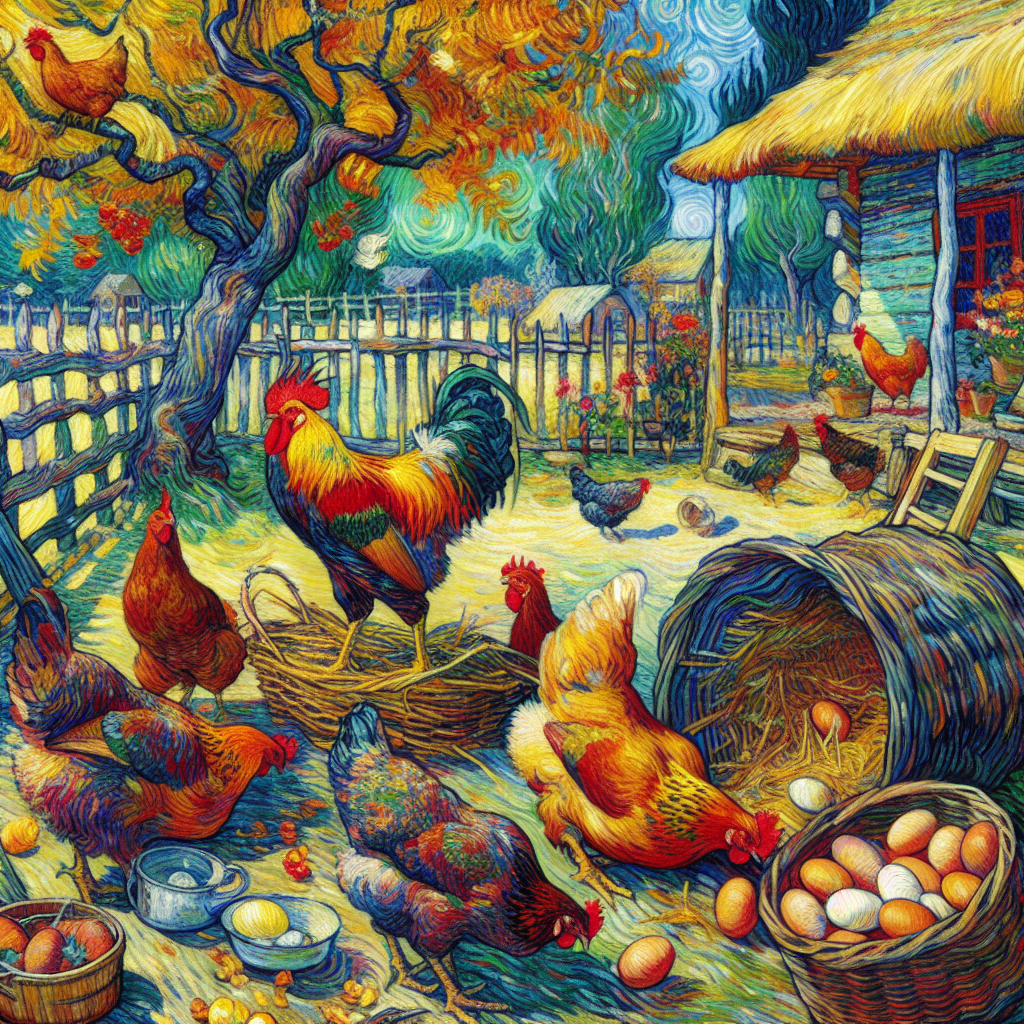
What Resources Are Available for First-Time Chicken Keepers?
Conclusion
Picture this: a quiet morning filled with the gentle clucks of backyard chickens, a symphony that serves as both a call to action and an affirmation of life. Raising these feathered friends isn’t merely about enjoying fresh eggs; it’s about scratching beneath the surface of our existence to foster a deeper connection with our food systems, our communities, and the environment. When we choose to keep chickens, we’re not just selecting a hobby; we’re investing in a holistic lifestyle that challenges the status quo of industrial farming, where profit often outweighs animal welfare.
The heart of chicken ownership beats beautifully together with sustainability. Chickens are nature’s little recyclers, transforming kitchen scraps into nourishing compost and vibrant eggs, thereby integrating us into a closed-loop system that celebrates reuse and resourcefulness. This simple act of raising chickens provides an opportunity for children and adults alike to learn responsibility, empathy, and the fundamentals of sustainable living. You don’t need to be a seasoned farmer; just a desire to embrace the delicate balance between mankind and nature.
Let’s not ignore the ethical dimensions. It’s about making choices that resonate with our values—opting for humane practices that respect animal welfare while reinforcing community ties. Picture swapping homegrown eggs with neighbors, or attending a local workshop where generations share wisdom on sustainable practices. In these small acts, we conjure a spirit of collaboration that nurtures both personal and communal well-being.
But the stakes aren’t just emotional; they’re grounded in practical realities. Maintaining a small flock reduces grocery bills and food miles, alleviating the burdens of unsustainable agricultural systems that contribute to climate change. Think for a moment about the long-term benefits: healthier soil, richer ecosystems, and perhaps most importantly, a legacy grounded in stewardship for future generations.
As you contemplate this journey, remember that the path will have its challenges. Committing to the well-being of your chickens and navigating the circumstances that come with raising them requires resilience and community support. But here’s the crux: each challenge is an opportunity to learn, to bond, and to grow.
So, as you consider venturing into the world of backyard chickens, let this be more than just a decision. Let it be a movement. Together, we can cultivate ecosystems of trust, connectivity, and health—one clucking companion at a time. Embrace the journey, and in doing so, become part of a transformative narrative that celebrates our choices for the world we wish to craft for ourselves and the generations to follow.

Conclusion
Conclusion:
- Backyard chickens provide more than fresh eggs; they foster deeper connections with food, community, and the environment.
- Raising chickens promotes a holistic lifestyle that challenges industrial farming practices focused on profit over animal welfare.
- Chickens act as natural recyclers, turning kitchen scraps into compost and eggs, contributing to a sustainable closed-loop system.
- Chicken ownership encourages learning about responsibility, empathy, and sustainable living for all ages.
- Ethical considerations influence choices, fostering humane practices that respect animal welfare and strengthen community ties.
- Maintaining a small flock can reduce grocery bills and food miles, positively impacting climate change and promoting healthier ecosystems.
- Facing challenges in chicken care offers opportunities for learning and community support, promoting personal and collective growth.

Conclusion
Other Resources

Other Resources
Here is a list of other resources you can review online to learn more:
- grower feed
- Icelandic
- Swedish Black Hen
- Vorwerk
- millipedes
- Ayam Cemani
- Catalana
- crickets
- Sussex
- mealworms
- kale
- Lavender Orpington
- chicken run
- Central Maine Bird Fanciers
- spinach
- Infectious Coryza
- green potato skins
Use This Prompt To Get More Resources With Your Favorite Online AI Tool: Please provide me with a list of online articles with their URLs in a bulleted list that I can read regarding Closed Loops and Open Skies – Living Sustainably with Chickens

Other Resources
Glossary Terms
Closed Loops and Open Skies – Living Sustainably with Chickens – Glossary Of Terms
1. Closed Loop: A system where waste is minimized by reusing materials within a cycle, such as using chicken manure to fertilize crops.
2. Open Skies: A philosophy advocating for open access to natural resources and biodiversity, allowing for sustainable agricultural practices.
3. Sustainability: The ability to meet present needs without compromising the ability of future generations to meet theirs, often through responsible resource management.
4. Permaculture: An agricultural philosophy that mimics natural ecosystems to create self-sustaining habitats, integrating chickens into the design for pest control and fertilization.
5. Backyard Chickens: Domestic chickens kept in residential backyards for egg production, pest control, and as pets.
6. Composting: The process of recycling organic waste, including chicken manure and kitchen scraps, into nutrient-rich fertilizer.
7. Foraging: The practice of chickens searching for food in natural environments, which can include insects, seeds, and plants.
8. Biosecurity: Measures taken to protect the health of poultry, preventing the spread of diseases through careful management and sanitation.
9. Organic Feed: Chicken feed that is produced without synthetic pesticides, herbicides, or genetically modified organisms, promoting healthier livestock and eggs.
10. Holistic Management: An approach to farming that considers all components of the ecosystem for responsible decision-making.
11. Agroecology: The application of ecological principles to agricultural systems, emphasizing biodiversity, soil health, and sustainable practices.
12. Biodiversity: The variety of life in a particular habitat, which contributes to the resilience and stability of ecosystems.
13. Free-Range: A method of raising chickens that allows them open access to outdoor spaces, promoting natural behaviors and animal welfare.
14. Pasture-Raised: Chickens raised on pasture with access to the outdoors, often resulting in healthier birds and improved nutritional quality of eggs.
15. Chicken Coop: A shelter designed for housing chickens, providing protection from predators and harsh weather.
16. Pest Control: The management of insects and other pests that may harm crops, utilizing chickens as natural predators to reduce pest populations.
17. Nutrient Cycling: The process of transferring nutrients from one part of the ecosystem to another, facilitated by chickens through their manure.
18. Soil Fertility: The capacity of soil to provide essential nutrients to crops, enhanced by the use of chicken manure.
19. Egg Production: The process of hens laying eggs, which can be affected by factors such as nutrition, environment, and breed.
20. Heritage Breeds: Traditional chicken breeds that are often raised for their unique characteristics and are more resilient to natural conditions.
21. Ecosystem Services: Benefits provided by natural ecosystems, such as pollination and soil enrichment, which can be enhanced through sustainable chicken farming.
22. Animal Welfare: The humane treatment and care of animals, ensuring that chickens are raised in conditions that allow them to express natural behaviors.
23. Hydroponics: A method of growing plants without soil, often integrated with chicken farming to maximize space and resources.
24. Food Sovereignty: The right of communities to control their own food systems, including local production and distribution.
25. Integrated Farming: A system that combines different agricultural practices, such as crop and livestock production, to create a synergistic environment.
26. Local Agriculture: Farming practices that focus on producing food within a community, reducing transportation costs and promoting fresh produce availability.
27. Community Supported Agriculture (CSA): A system where consumers purchase shares of a farm’s harvest in advance, supporting local farmers and ensuring fresh food.
28. Waste Minimization: Strategies aimed at reducing waste generation and promoting the re-use of materials within agricultural systems.
29. Urban Farming: Cultivating food in urban areas, often incorporating chickens for waste reduction and food production.
30. Climate Resilience: The ability of agricultural systems, including chicken farming, to adapt to changing climate conditions and mitigate their impacts.

Glossary Of Terms
Other Questions
Closed Loops and Open Skies – Living Sustainably with Chickens – Other Questions
If you wish to explore and discover more, consider looking for answers to these questions:
- What are the best chicken breeds for beginners?
- How much space do I need to raise chickens in my backyard?
- What do backyard chickens eat, and how can I provide a balanced diet?
- How can I protect my chickens from predators?
- What are the signs of a healthy chicken?
- How often do chickens lay eggs, and how can I maximize egg production?
- What are the common health issues in chickens and how can I treat them?
- What legal considerations should I be aware of before getting chickens?
- How can I compost chicken waste effectively?
- What should I do if I can’t keep my chickens anymore?
- How can I engage my children in caring for the chickens?
- What is the environmental impact of raising chickens?
- How can I incorporate chickens into a larger sustainable farming practice?
- What skills do I need to develop to be a good chicken keeper?
- What local organizations support new chicken keepers?

Other Questions
Haiku
Closed Loops and Open Skies – Living Sustainably with Chickens – A Haiku
Chickens in the yard,
Nature’s cycle reborn,
Hearts and soil connect.

Haiku
Poem
Closed Loops and Open Skies – Living Sustainably with Chickens – A Poem
In a yard where feathers dance and clucks abound,
A tapestry of life in harmony is found.
Chickens, a gentle bridge to nature’s grace,
Whisper of cycles, a comforting embrace.
Each morning unveils the sun’s tender light,
As you greet these creatures, your heart takes flight.
They transform the scraps into riches untold,
In the soil beneath us, a story unfolds.
With every egg gathered, resilience takes root,
A vow to nurture, to grow, to commute.
Against the tide of industry’s sway,
You stand, a bold choice—a brighter way.
The heart of the garden beats strong with each cluck,
In this closed-loop dance, we find our true luck.
Children learn virtue, neighbors share meals,
A web spun of kindness, connection heals.
Yet the path isn’t always a straight line ahead,
Time and commitment, the price to be fed.
In shadows lurk doubts, and challenges rise,
But in nurturing bonds, new strength lies.
When ethics guide choices, we forge a new way,
Embracing a culture where we cherish and play.
From backyard to table, with love intertwined,
We cultivate not just our gardens, but minds.
So take up the journey, let courage unfurl,
In the heart of each chicken lies a softer world.
Together we gather, in trust we invest,
Building a future where life is a quest.
Sow seeds of compassion, let your spirit take flight,
In a life nourished by nature, find joy in the night.
Each cluck echoes change, with promise it sings,
In raising our chickens, feel the freedom it brings.

Poem
Checklist
Closed Loops and Open Skies – Living Sustainably with Chickens – A Checklist
Checklist for Embracing Sustainable Living with Chickens
Emotional Appeals
_____ Reconnect with Nature: Spend time observing your chickens’ behavior; reflect on the beauty of nature around you.
_____ Create Moments of Joy: Start each day by greeting your chickens; embrace their unique personalities and cheerful clucks.
_____ Foster a Sense of Purpose: Recognize the importance of your role in their care and the environment.
Rational Appeals
_____ Understand Practical Benefits: Research the cost savings associated with raising chickens versus buying eggs.
_____ Learn About Waste Reduction: Utilize kitchen scraps effectively; explore composting with chicken waste for natural fertilizer.
_____ Assess Time Commitment: Evaluate your daily schedule to ensure you can meet the needs of your flock.
Ethical Appeals
_____ Promote Animal Welfare: Educate yourself on humane chicken care practices; understand the importance of ethical treatment.
_____ Support Local Ecosystems: Reflect on how backyard chickens contribute to reducing industrial farming impacts.
_____ Engage in Responsible Gardening: Commit to closed-loop systems that nurture your garden without the use of synthetic chemicals.
Authority Appeals
_____ Access Expert Resources: Seek guidance from books and articles written by experienced chicken keepers.
_____ Join Community Workshops: Attend local classes to learn hands-on skills for raising and caring for chickens.
_____ Follow Reliable Online Communities: Engage with social media groups dedicated to chicken keeping for support and advice.
Narrative Appeals
_____ Share Your Journey: Document your experiences with chickens, from setting up the coop to collecting your first eggs.
_____ Build Community Connections: Swap stories and tips with fellow chicken keepers; create bonds over shared experiences.
_____ Inspire the Next Generation: Involve children in the care of chickens; use this as an opportunity to teach them about responsibility and empathy.
Social Appeals
_____ Encourage Neighborhood Collaborations: Partner with neighbors to start a community garden or chicken coop; maximize local resources.
_____ Host Egg-Swap Events: Organize local gatherings where families can trade eggs, produce, or gardening tips.
_____ Celebrate Community Achievements: Highlight collective milestones in sustainable living; recognize efforts to enhance local environmental practices.
This checklist can guide you in your journey towards sustainable living while embracing the enriching experience of raising backyard chickens.

Checklist
At BackyardChickenNews, we help people who want to raise backyard chickens by collating information and news blended with our own personal experiences.
Be sure to read our other related stories at BackyardChickenNews to learn more about raising chickens in your backyard.